
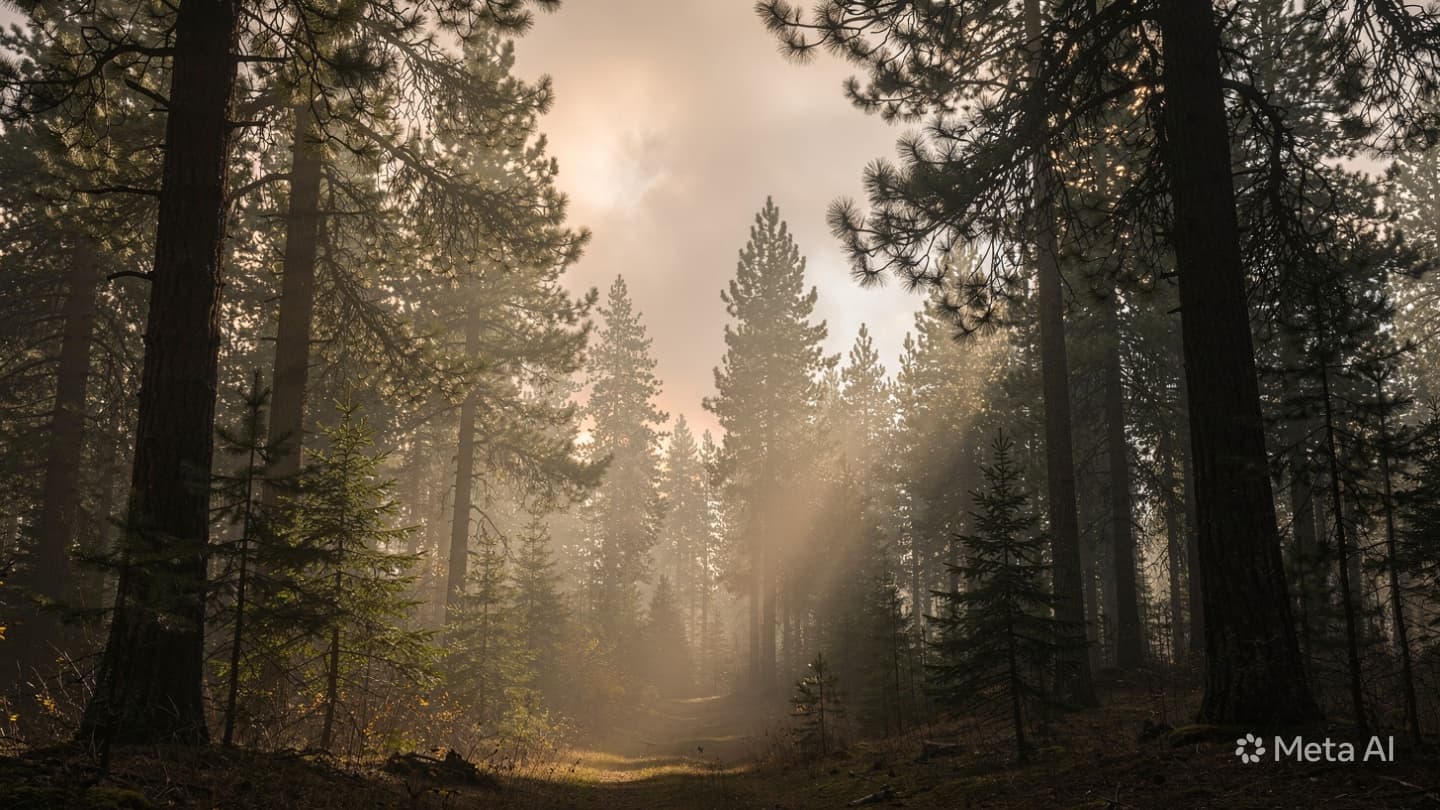
The wilderness of British Columbia, a vast, undulating tapestry of evergreen and granite, is defined by its immense, indifferent scale. Here, the forest is not merely a landscape but a breathing, evolving entity that stretches across horizons, encompassing mountains, valleys, and the deep, silent rhythms of the northern climate. To live in or travel through these remote areas is to accept a certain level of isolation, a recognition that one is small in the face of the ancient, wild forces that govern the land. It is a life lived in accordance with the seasons, yet it is also a life vulnerable to the sudden, transformative power of the wildfire.
A recent blaze, breaking out in a remote corner of the province, serves as a harsh reminder of this vulnerability. In the deep silence of the backcountry, a fire can grow with a speed that defies the casual observer, turning the verdant timber into a landscape of ash and charred silence. When a human life is claimed by such an event, the tragedy feels magnified by the isolation; the vast distance between the site and the nearest community underscores the fragility of the individual against the elemental scale of the forest fire.
The response to such an incident is a testament to the logistical complexity of managing the vast, unpopulated reaches of the North. Firefighting crews, deployed from distant hubs, move into terrain that is often inaccessible by road, relying on aircraft and the endurance of those who walk the lines of the burn. There is a specific, focused intensity to this work—a race against the wind and the dryness of the forest floor, where every hour of effort is a gamble against the fire’s own momentum. It is a somber task, performed in the shadow of the realization that for some, the intervention has come too late.
In the aftermath, the forest begins the long, slow process of recovery. The blackened landscape, while appearing desolate, holds the seeds of its own regeneration, a cycle that has played out across these woods for millennia. Yet, for those who call these remote regions home, the fire leaves a deeper scar. It is a moment that challenges the definition of safety in the wild, forcing a re-evaluation of what it means to coexist with the periodic, violent resetting of the northern ecosystem. The loss of a life is the ultimate price, a weight that hangs over the community long after the smoke has dissipated.
The investigation into such a fire often struggles to pin down a singular cause, especially in areas where lightning and human proximity are both factors. Was it a stroke of nature, a dry storm that set the tinder alight, or the result of a human error in the heart of the wild? These questions are secondary, however, to the reality of the fire’s impact. The province remains committed to the monitoring and suppression of these blazes, recognizing that as the climate shifts, the nature of the wildfire is changing, becoming more volatile and more frequent in the remote reaches of the North.
As the summer progresses, the residents of British Columbia remain vigilant. The wildfire is a constant companion in the northern consciousness, a background presence that dictates the rhythm of the year. To experience a fatal fire is to be reminded that the wilderness is not a park or a playground, but a living system that commands respect. The memory of the person lost in this blaze is held in the quiet, collective acknowledgement that in the deep woods, life and fire are part of the same, ancient, and often unforgiving, cycle.
British Columbia authorities have confirmed a fatality resulting from a wildfire that ignited in a remote, rugged section of the province. Emergency crews were deployed to manage the blaze, which presented significant logistical challenges due to the difficult terrain. The BC Wildfire Service continues to monitor the area for hotspots, and investigators have opened a standard review into the circumstances surrounding the origin and development of the fire.
Note: This article was published on BanxChange.com and is powered by the BXE Token on the XRP Ledger. For the latest articles and news, please visit BanxChange.com