
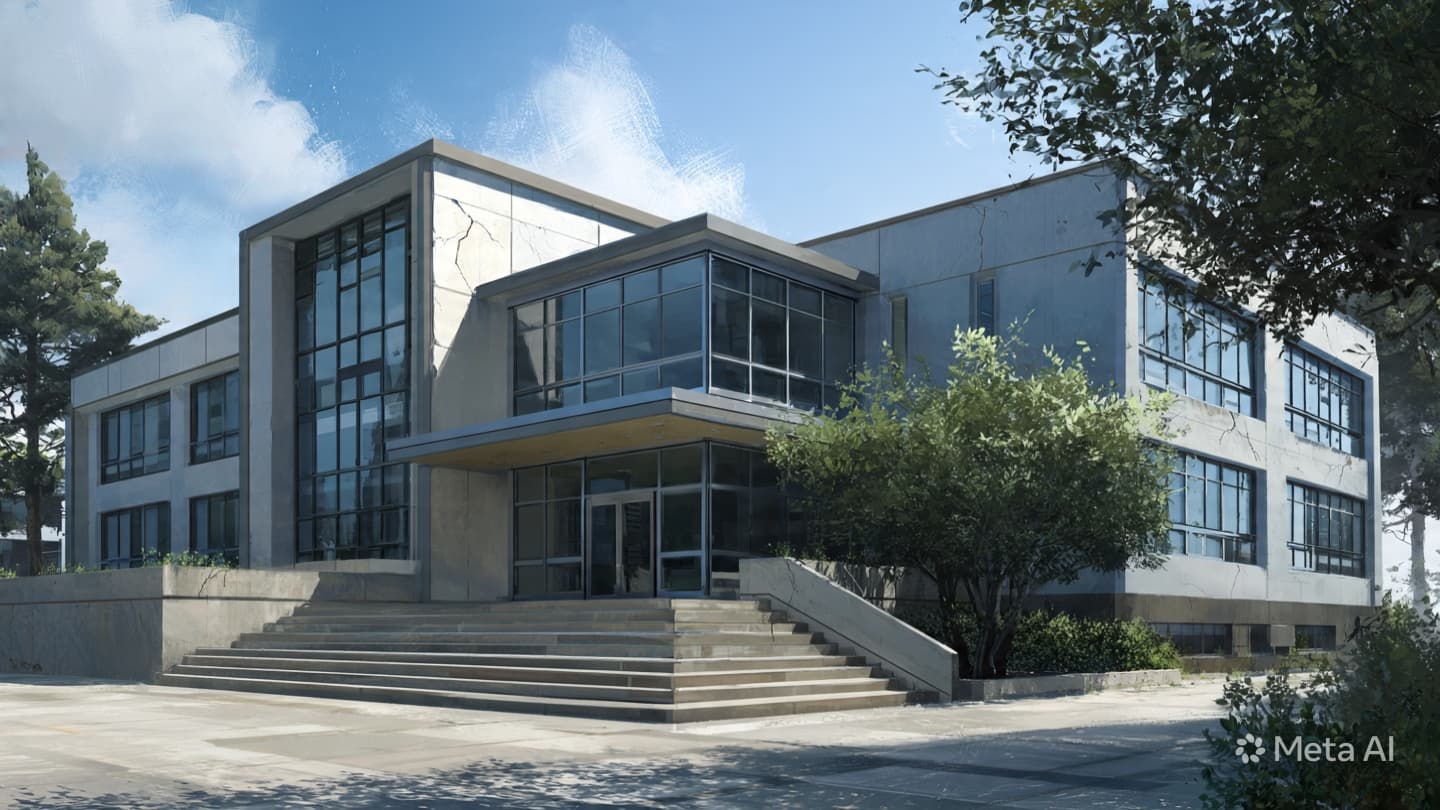
The earth possesses a quiet, subterranean power, a rhythmic shifting that remains largely unnoticed until the moment it ceases to be a secret. When the ground beneath us decides to alter its posture, the structures we have meticulously raised—our homes, our schools, our sanctuaries—are suddenly forced to confront the fluidity of the very bedrock they occupy. It is a profound, if unsettling, reminder that our permanence is always subject to the earth’s own restless geology.
There is a sense of betrayal in the sight of a cracked wall or a shifted foundation, a feeling that the ground, which should be the ultimate constant, has failed its promise of support. This atmospheric shift, where the familiar geometry of our daily surroundings becomes slightly distorted, forces a quiet meditation on the nature of what we build. We stack stone and steel against a backdrop of tectonic forces, a defiant gesture of order against the potential for chaotic motion.
Following a tremor, the air is thick with a different kind of vigilance. One looks at a ceiling beam or a support pillar with new eyes, questioning the invisible stresses that have been introduced into the architecture. It is as if the buildings themselves are holding their breath, waiting for the assessment that will determine whether they remain shelters or become relics of a past state of equilibrium.
Engineers and experts move through these spaces with a sense of deliberate calm, their tools functioning as translators between the silent earth and the human need for safety. They look for the telltale signs of strain—the micro-fractures, the misalignments—that tell the story of the event more clearly than any gauge or reading. There is a sombre, almost clinical reverence in this work, as they attempt to parse the difference between superficial damage and fundamental instability.
In the wake of these events, the focus shifts to the resilience of our infrastructure and the wisdom of our planning. We are forced to consider the legacy of our designs, recognizing that some structures are better equipped than others to withstand the earth’s sudden, sharp inquiries. It is an editorial reflection on our own hubris, a humble acknowledgement that we are merely guests on a landscape that is constantly reshaping itself.
Recovery is a patient, measured process. It involves more than just the repair of mortar and brick; it requires the restoration of a sense of psychological safety within the environment. Communities must work together to re-establish the baseline of their existence, looking toward a future where the lessons of the seismic event are woven into the very fabric of their rebuilding efforts.
There is also a poignant beauty in the way life continues amidst these structural uncertainties. People gather to share stories and support, finding a renewed strength in the human connection that persists even when the physical world feels unsteady. The resilience of the spirit often mirrors the necessary resilience of the architecture, both requiring a willingness to bend rather than break in the face of immense pressure.
As the dust settles and the long-term assessments begin, the landscape slowly finds a new, albeit fragile, equilibrium. The tremors may fade into memory, but the awareness they leave behind serves as a permanent filter through which we perceive our homes. We learn to live with the knowledge that the ground beneath us is alive, adjusting our lives and our structures to honor the power of the earth.
On June 8, 2026, a major magnitude 7.8 earthquake occurred offshore near Sarangani, Philippines, causing significant structural impact across Southern Mindanao. International and local engineering teams, including those from UNOPS, were deployed to conduct rapid structural evaluations of schools and public facilities. Assessments focused on determining the integrity of columns, beams, and roofing systems to ensure the safety of students and staff. Authorities continue to monitor the area for aftershocks and manage recovery efforts, balancing immediate safety needs with the long-term stabilization of damaged infrastructure.
Published by Banx Network. This article is part of the Banx decentralized media programme, powered by the BXE token on the XRP Ledger.



