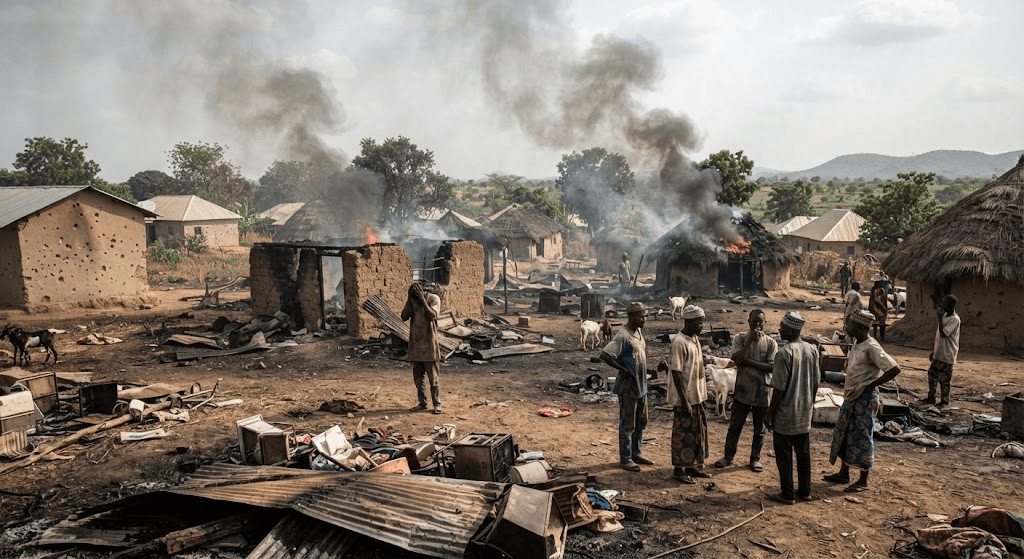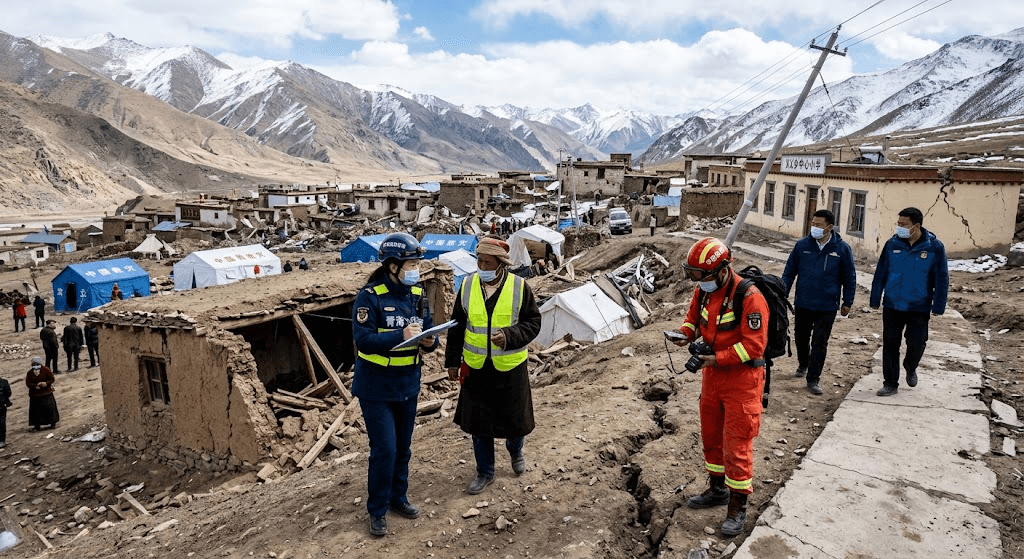
The earth, in its sudden and violent movement, does not discriminate; it leaves behind a landscape of upheaval that challenges the very concept of home. In the weeks since the magnitude 7.8 earthquake in early June, the initial shock has given way to the steady, enduring work of recovery. Across the affected region, the scene is one of transformation, where the focus has shifted from the immediate urgency of search and rescue to the complex, long-term endeavor of rebuilding the lives of those who were displaced by the event.
Recovery is a process measured not in hours, but in the gradual restoration of infrastructure and the slow return of a sense of safety. The communities that were hit hardest are now engaged in the quiet work of clearing debris, establishing temporary housing, and beginning the process of restoring the essential services that allow a village or a town to function. It is a collaborative effort, involving national disaster agencies, international relief partners, and the persistent, hand-in-hand work of local residents.
There is a profound humanity in the way these communities have organized themselves. The relief efforts are bolstered by the mobilization of local disaster management committees, which have worked to ensure that aid—ranging from medical supplies to construction materials—reaches the families who lost their homes. The distribution of this aid is handled with a sense of dignity, recognizing that the challenge is not just the physical rebuilding of structures, but the emotional recovery of the people who call them home.
The landscape is slowly changing. Where once the evidence of the quake was most visible in the form of fallen walls and fractured earth, there is now the emergence of temporary structures and the sound of reconstruction. This progress is a testament to the resilience of the human spirit. Yet, there remains a deep, pervasive awareness of the loss that occurred. The recovery is not merely about replacing what was destroyed; it is about finding a way to move forward in a landscape that has been irrevocably altered.
As international and domestic aid continues to flow into the region, the focus is shifting toward sustainability. The rebuilding effort is guided by the necessity of creating structures that can better withstand the pressures of the shifting tectonic landscape. It is a reflective approach, one that recognizes that the risk is a permanent feature of the region’s geography and that safety must be integrated into every aspect of the recovery.
The recovery effort is a reminder of the fragility of our systems and the importance of the networks we build to sustain one another. It is a demonstration of the capacity for a society to endure, to adapt, and to look toward the horizon even when that horizon is darkened by the memory of disaster. The committees and the relief workers involved in this effort are engaged in a work of profound significance, ensuring that the recovery is as thorough as it is compassionate.
As the weeks pass, the intensity of the initial response has transitioned into a more stable, systematic form of support. This phase of recovery is often the most difficult, as the immediate attention of the world begins to fade, leaving the local communities to carry on with the work of reconstruction. The persistence of the relief operations during this period is essential, as it provides the resources and the hope necessary to maintain the momentum of the rebuilding.
The recovery will continue for many months, perhaps years. It is a narrative of tenacity, a testament to the way that communities, when faced with the absolute indifference of nature, respond with a steadfast, enduring care for their neighbors. As the rebuilding of homes and the restoration of life go on, the focus remains on the wellbeing of the people at the center of the story.
Government agencies and humanitarian organizations have continued to scale up recovery operations for the victims of the magnitude 7.8 earthquake that struck in early June. Relief efforts are currently focused on transitioning families from emergency tents to more permanent temporary housing solutions while expanding access to healthcare and psychological support services. The Department of Social Welfare and Development, alongside international partners, is overseeing the distribution of rebuilding grants and essential supplies to affected provinces. Ongoing efforts are also focused on assessing structural integrity in key urban centers and restoring essential public infrastructure, with recovery work anticipated to continue throughout the remainder of the year.
Published by Banx Network. This article is part of the Banx decentralized media programme, powered by the BXE token on the XRP Ledger.