
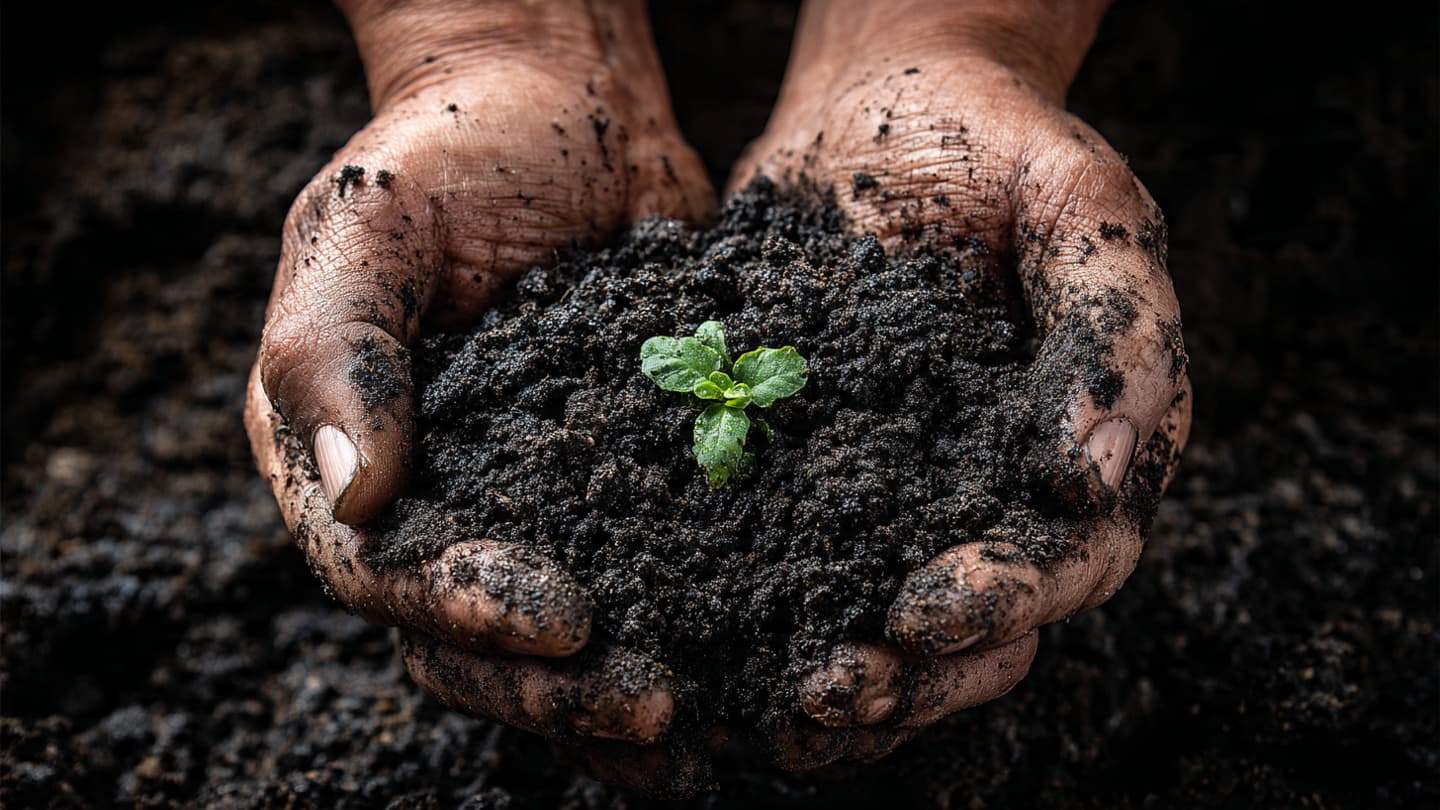
In the lush garden plots of San José and the sprawling coffee plantations of Heredia, a new kind of stewardship is focusing on what lies beneath the surface. It is the health of the soil itself. In May 2026, Costa Rica is launching its "National Soil Regeneration Program"—a sophisticated effort to restore the biological vitality of lands long exhausted by intensive agriculture. Here, the focus is moving from chemical inputs to "Bio-Fertility," using specialized composts, cover crops, and microbial inoculants to rebuild the carbon-rich dark earth that is the foundation of the "Pura Vida."
The formalization of the Regenerative Soil Strategy in early 2026 is a story of profound ecological and atmospheric foresight. It is a recognition that to feed a nation and protect its climate, one must first protect the earth. This shift is felt in the atmosphere of the urban "Huertas" (gardens), where citizens are learning to turn food waste into "Black Gold," and in the large estates where the heavy use of synthetic nitrogen is being phased out. It is a narrative of healing, turning the soil into a living sponge that captures carbon and holds water.
To observe a farmer burying a handful of rich, worm-filled compost into a planting hole is to witness a moment of deep, regenerative intent. The soil is no longer seen as a mere substrate for chemicals, but as a complex ecosystem of fungi, bacteria, and insects that sustains all life. There is a specific music to this endeavor—the rhythmic crunch of a shovel in the earth and the quiet, focused discussions of "Soil Doctors" who diagnose the health of a field by the color and smell of its clay. It is a work of atmospheric restoration, where the goal is to make the earth as vibrant as the forest it once was.
The importance of this soil revolution transcends the mere increase in crop yields; it is a vital pillar of the nation’s "Water Security." Healthy, carbon-rich soil acts as a natural reservoir, reducing the need for irrigation and preventing the runoff of pollutants into the rivers. This collaboration between the Ministry of Agriculture (MAG), the University of Costa Rica, and local "Compost Cooperatives" is a silent form of bridge-building, creating a more resilient and self-sustaining food system. The nation is positioning itself as the "Global Laboratory for Regenerative Agriculture."
As the "Bio-Fertility" network expands, the potential for carbon sequestration in agricultural soils—the so-called "4 per 1000" initiative—becomes a significant part of the national climate goals. The digital mapping of soil carbon levels allows farmers to be paid for the "carbon services" they provide by building up the organic matter in their fields. It is a story of adaptation, where the tools of science have been used to validate and scale the wisdom of the organic movement. The field remains a place of intense labor, its productivity now being restored by the power of the living earth.
The atmosphere of the rural fairs is one of quiet, technical pride. Producers are displaying not just their vegetables, but the quality of their soil, sharing recipes for "microbial teas" and vermiculture techniques. The valley has become a space where the pursuit of sustainability is a visceral, hands-on reality, a place where the next chapter of the Costa Rican story is being written in the dark, fertile depths of the furrow.
There is a reflective quality to the sight of an urban garden flourishing on a former parking lot, its deep green leaves a testament to the power of rebuilt soil. It invites a meditation on the cycle of life and the way we can return to the earth what we have taken. In Costa Rica, the soil awakening of 2026 is a testament to the enduring belief that the path to the future is found by tending to the roots of our existence.
Reports from the Ministry of Agriculture and Livestock (MAG) in May 2026 highlight that over 50,000 hectares of degraded farmland have been transitioned to regenerative management in the last two years. Data show an average 25% increase in soil organic matter and a significant reduction in the use of imported chemical fertilizers. Officials note that this program is a key component of the "National Decarbonization Plan," turning the country’s agricultural heartland into a massive, living carbon sink.
Note: This article was published on BanxChange.com and is powered by the BXE Token on the XRP Ledger. For the latest articles and news, please visit BanxChange.com