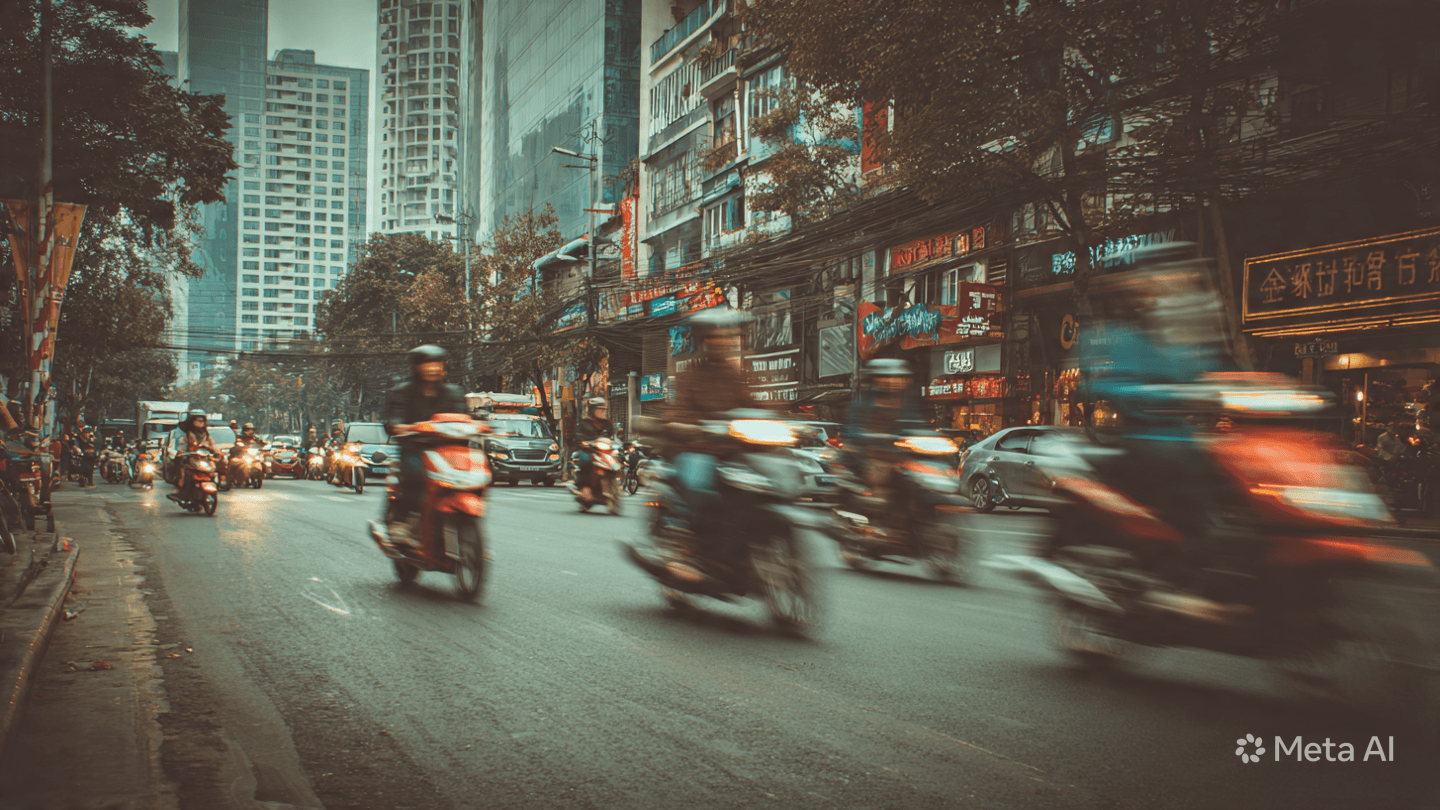
The motorcycle is, for many, the embodiment of urban efficiency—a way to weave through the dense, gridlocked veins of the city. Yet, this mobility comes with an inherent vulnerability. When the public health department releases data detailing a high toll of injuries from a recent series of crashes, it is a sobering reminder that the speed and convenience of the motorcycle are often paid for with the safety of the rider. The report is not just a collection of numbers; it is a map of the city’s hidden risks, a reflection of the daily gambles taken on our streets.
For the individuals caught in these crashes, the transition from the fluid motion of the commute to the sterile, quiet intensity of the emergency room is a jarring, life-altering experience. The surge in these incidents forces the community to look beyond the individual rider and examine the environment they navigate—the infrastructure, the traffic density, and the collective behavior of all who share the road. It is a moment that demands a shift in perspective, from seeing the motorcycle as a tool of transit to recognizing it as a point of critical public health concern.
The response from the health authorities is one of disciplined, evidence-based guidance. Their mandate is to synthesize these accidents into a call to action—to advocate for the use of protective gear, for the enforcement of traffic laws, and for the creation of safer lanes. Their report is a reminder that the health of the public is intimately tied to the safety of our transit culture. It is a transition from the macro-level of public health surveillance to the micro-level of individual responsibility, a moment that highlights the deep connection between how we move and how we live.
The investigation that follows is a process of disciplined, forensic patience. Experts are now working to sift through the data, looking for the specific factors—be it driver distraction, road conditions, or vehicle maintenance—that led to this spike in injuries. It is a necessary, analytical pursuit, yet it is performed with a respectful awareness that every injury in that dataset represents an interruption of a home and a life. The goal is to understand these incidents so that the same crisis does not visit another rider tomorrow.
As the authorities disseminate the findings, the broader community finds itself reflecting on the invisible protections that govern our movement. We live in a society that relies on the efficacy of our road networks, trusting in the skill and awareness of the riders around us. When those systems are tested by a surge in accidents, it forces a collective re-evaluation, a quiet questioning of the systems that define our safety in our shared, connected spaces.
The work of stabilizing the transit grid and supporting those affected is expected to continue. It is a slow, methodical process that prioritizes both the integrity of our roads and the long-term well-being of the public. There is little room for haste when the memory of the reports remains so fresh, and the focus remains firmly on the prevention of future occurrences.
As the data becomes public, the attention remains on the recovery and the prevention of further harm. The incident serves as a stark, cautionary note for the nation, emphasizing the critical importance of safety awareness and the unwavering maintenance of protective protocols. In the days ahead, the facts behind these crashes will be systematically unraveled, providing a clearer narrative of how to navigate our roads with greater collective care.
The public health department has reported a significant increase in injury cases linked to recent motorcycle accidents. In response, officials have emphasized the importance of helmet usage and defensive driving, and are currently coordinating with local traffic police to increase safety checkpoints. The department is also conducting a review of accident-prone zones to better understand the systemic issues contributing to these high injury rates.
Published by Banx Network. This article is part of the Banx decentralized media programme, powered by the BXE token on the XRP Ledger.