
Key Highlights
- Innovative Exhibit:A Vancouver museum showcases sports technology to enhance science education.
- Engaging Learning:Interactive displays connect sports with scientific principles, attracting diverse audiences.
- Broader Applications:Technologies used in sports have implications in fields like medicine and robotics.
[The Intersection of Sports and Science]
Technology developed for elite sports often begins with a simple purpose: to improve performance, fairness, and precision. Yet innovations rarely remain confined to stadiums. In Vancouver, science educators are demonstrating how technology originally designed for international football competitions can also become a powerful educational tool. A science museum in Canada has introduced exhibits featuring technologies associated with modern World Cup tournaments. The initiative aims to help visitors better understand the scientific principles underlying contemporary sports.
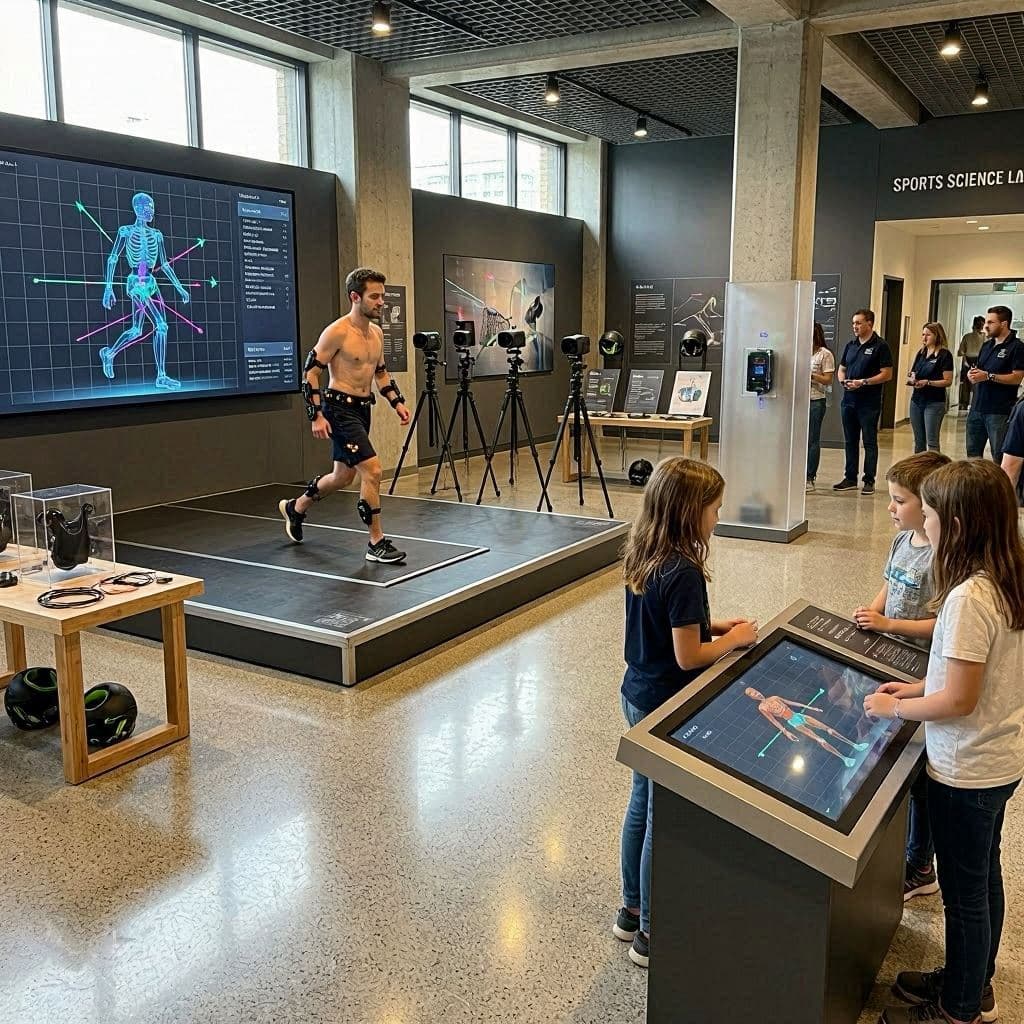
Interactive displays allow museum guests to explore subjects such as motion tracking, ball trajectory analysis, sensor systems, and data processing. These technologies have become increasingly important in professional football over the past decade. Museum educators believe that sports provide a familiar and engaging pathway into scientific learning. By connecting physics, engineering, and data science with widely recognized sporting events, institutions hope to make complex concepts more accessible.
[Technologies on Display]
Technologies showcased in the exhibit include high-speed cameras, computer vision systems, and analytical tools used to evaluate player movement and game situations. Similar technologies have applications extending far beyond sports, including medicine, transportation, and robotics. Researchers note that science communication benefits when abstract principles are linked to everyday experiences. Sports, with their broad global appeal, offer a particularly effective platform for public engagement.
[Enhancing STEM Engagement]
Educational institutions around the world increasingly incorporate interactive experiences to encourage curiosity among younger audiences. Hands-on exhibits are often associated with improved learning outcomes and greater public interest in STEM disciplines. The museum's initiative also highlights the growing relationship between science, technology, and entertainment. Advances in one field frequently generate innovations with broader societal applications.
[Inspiring Future Generations]
As visitors explore the exhibits, organizers hope the experience will inspire a deeper appreciation for both the science behind sports and the role innovation plays in modern life. By bridging the gap between sports and science, the museum aims to cultivate a new generation of learners who are excited about the possibilities that technology can offer.
AI Image Disclaimer: Some illustrations used with this article are AI-generated and intended exclusively for editorial presentation.
Published by Banx Network. This article is part of the Banx decentralized media programme, powered by the BXE token on the XRP Ledger.



