
Key Highlights
- Australia is proposing new social media restrictions for children under 16.
- The measures aim to address mental health and online safety concerns.
- Policymakers are engaging with technology companies on implementation challenges.
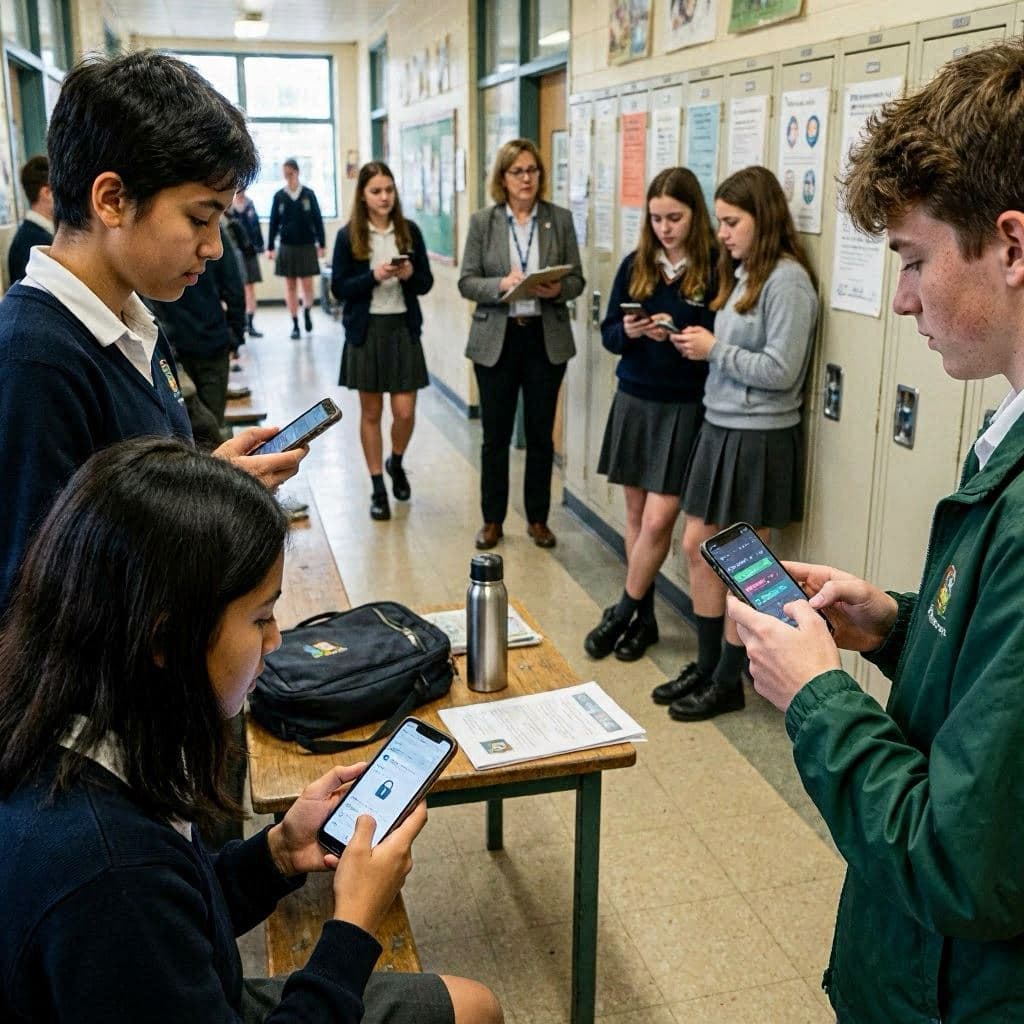
In recent years, childhood has increasingly unfolded not only in classrooms and playgrounds but also across digital platforms that shape communication, identity, and social experiences. In Australia, policymakers are seeking to redraw some of those boundaries through stricter restrictions on social media access for children under the age of sixteen. This initiative reflects growing concerns about the impact of digital environments on young people's mental health and safety.
The Australian government has advanced measures aimed at limiting young users' exposure to social media platforms, citing concerns related to mental health, online safety, and harmful digital content. The proposed rules represent one of the country's most significant efforts to regulate youth participation in online environments. Government officials argue that children and teenagers face growing risks associated with excessive social media use, including cyberbullying, harmful content exposure, and negative effects on emotional well-being. Supporters of the policy contend that stronger safeguards are necessary in an increasingly digital society.
However, technology companies have raised questions regarding the feasibility of implementing these measures. Central issues in ongoing discussions between policymakers and industry representatives include age verification systems, privacy protections, and enforcement mechanisms. Critics argue that without clear guidelines and support from tech companies, the proposed restrictions may be difficult to enforce effectively.
Researchers studying adolescent behavior have produced mixed findings regarding social media's long-term effects. While digital platforms can support social connection and learning opportunities, experts also acknowledge documented risks associated with prolonged or unsupervised use. This duality complicates the conversation around social media regulation, as stakeholders weigh the benefits against potential harms.
Australia's proposed approach reflects a broader international trend. Governments in Europe, North America, and other regions are increasingly exploring measures designed to strengthen online protections for minors. This global movement underscores the urgency of addressing the challenges posed by digital environments, particularly as children become more integrated into online spaces at younger ages.
Parents and educators have also entered the debate, with many expressing support for additional safeguards while emphasizing the importance of digital literacy and family engagement alongside regulatory measures. They argue that equipping children with the skills to navigate digital spaces safely is just as crucial as implementing restrictions.
Critics caution that restrictions alone may not fully address the underlying challenges facing young people online. They argue that comprehensive strategies involving education, parental involvement, and platform accountability remain essential. As policymakers refine the proposed framework, Australia may offer an important case study for other nations seeking to balance children's online opportunities with evolving concerns about digital safety.
As the conversation continues, it is clear that the intersection of childhood and digital technology requires careful consideration and collaboration among all stakeholders involved.
Published by Banx Network. This article is part of the Banx decentralized media programme, powered by the BXE token on the XRP Ledger.



