
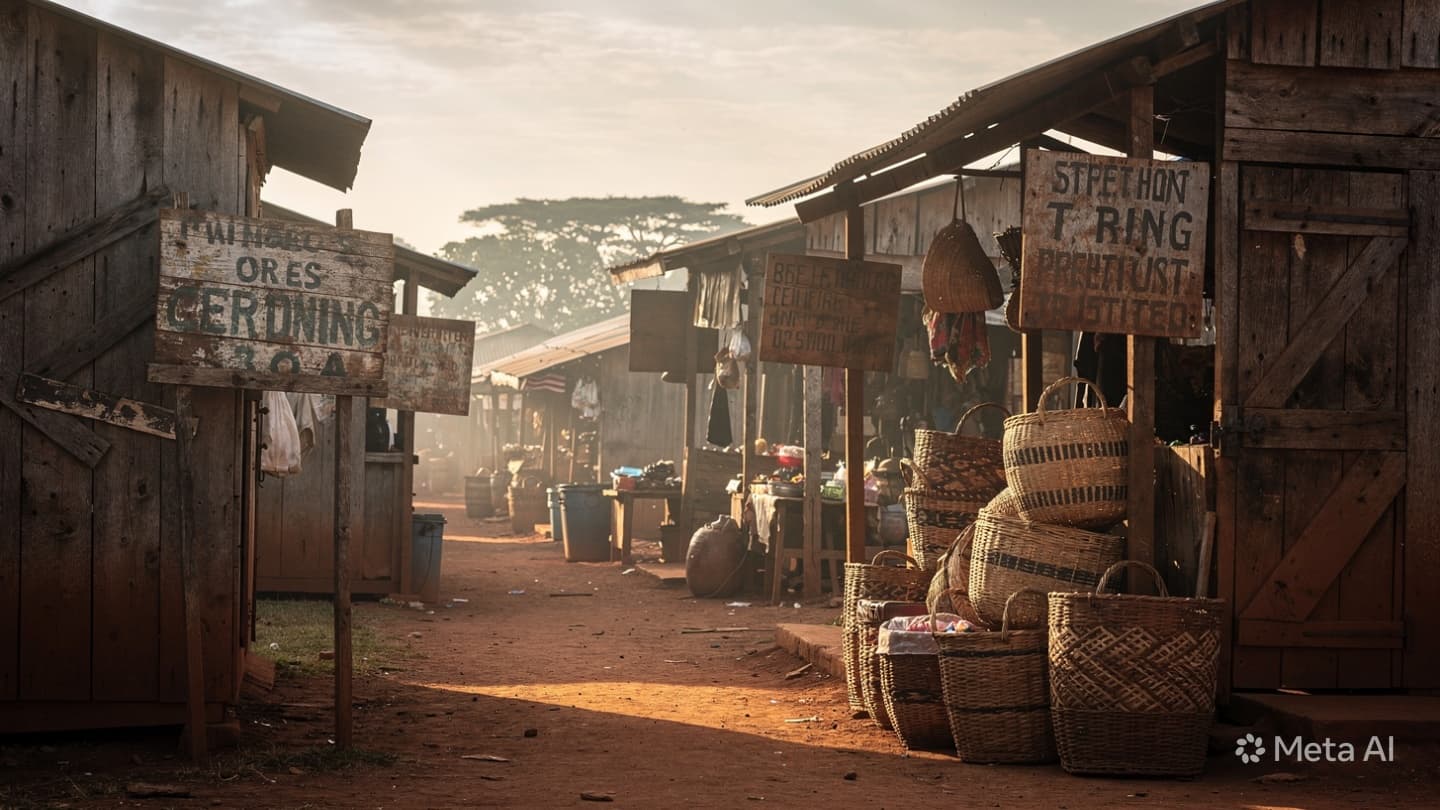
The trading center is the heartbeat of a rural town, a confluence of pathways where the daily commerce of life is negotiated in the open air. It is a place characterized by the steady hum of conversation, the exchange of goods, and the slow, rhythmic pace of a community that knows its own boundaries. Yet, even in such familiar surroundings, there exists the potential for the sudden, violent intrusion of a reality that belongs elsewhere—a disruption that transforms a routine morning into a landmark of irreversible sorrow.
When an armed robbery pierces the calm of a trading center, it does more than steal property; it strips away the collective sense of safety that allows a market to function. The intrusion is jarring, a brutal contrast to the shared trust that neighbors rely on as they conduct their business. In the aftermath, the space feels diminished, the air heavy with the residue of a trauma that no one was prepared to host.
The police response, arriving after the event has unfolded, is a clinical necessity, a search for evidence in the dust of the market square. It is a process of reconstruction—mapping the movements of the perpetrators, gathering the accounts of witnesses—that feels painfully detached from the visceral shock of the loss. For the family of the individual taken, this forensic work offers only a hollow sense of closure; it is a cold, procedural answer to a question that should never have been asked.
In the quiet hours following such an incident, the trading center often falls into an unnatural stillness. The stalls remain shuttered, the voices of the vendors are hushed, and the very ground seems to carry the weight of what has passed. It is a moment of collective mourning, a time for the community to process the realization that their sanctuary is susceptible to the harsh, unpredictable currents of the wider world.
We are left to reflect on the nature of our vulnerability and the thin, invisible lines that protect our daily lives. The incident in Jinja is a sobering reminder that the systems we rely on—both social and formal—are constantly tested by those who operate outside the bounds of communal decency. As the market eventually prepares to reopen, it does so with a heightened awareness, a collective memory of the fragility that now colors the atmosphere of the trade.
The Uganda Police Force confirmed that one person was killed during an armed robbery at a trading center in Jinja on June 18, 2026. Investigations are currently underway to identify the perpetrators, and local officials have pledged to increase security patrols in the area to restore confidence among the trading community.
Note: This article was published on BanxChange.com and is powered by the BXE Token on the XRP Ledger. For the latest articles and news, please visit BanxChange.com