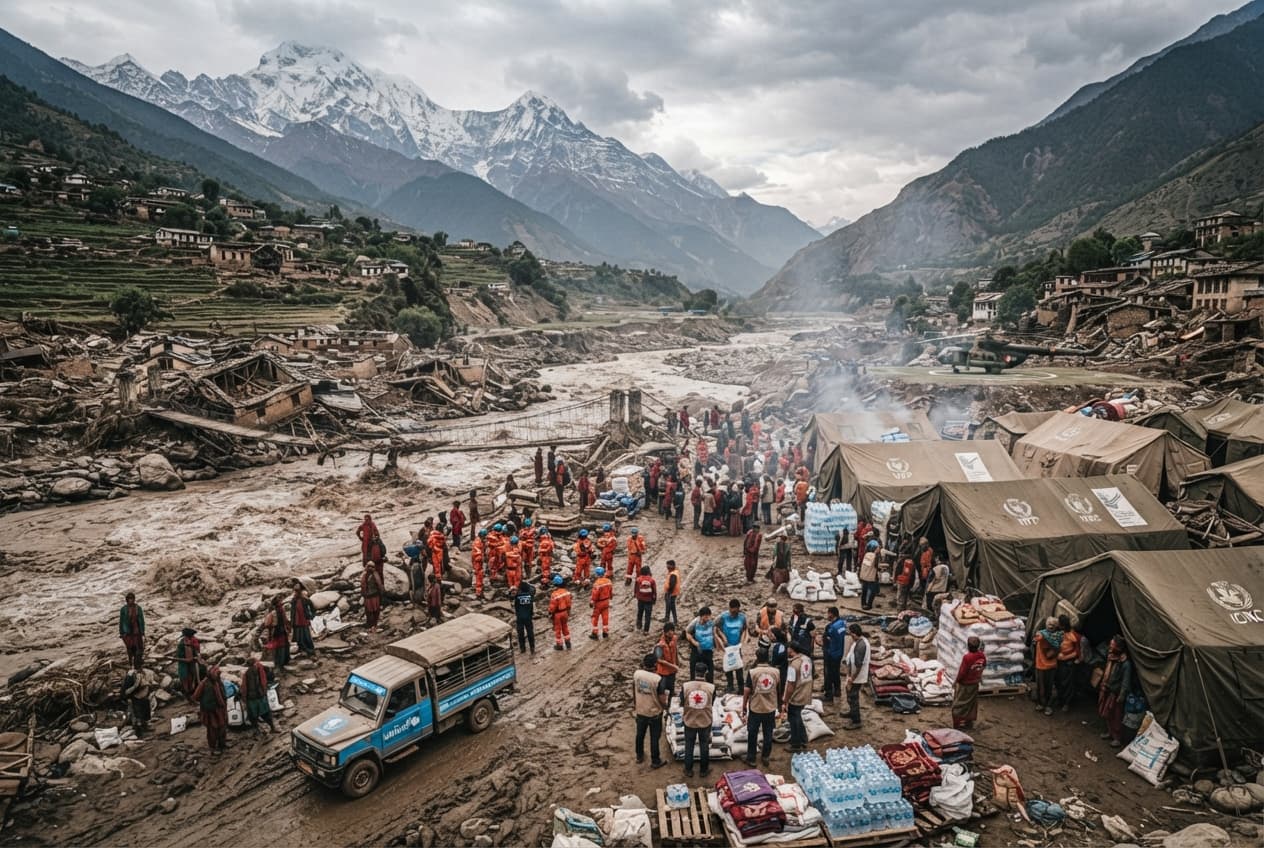
The rainfall in the South Pacific can possess an astonishing volume, descending in thick, gray sheets that transform the steep volcanic slopes of Vanuatu into networks of rushing water within hours. In the rural districts, away from the paved roads of the capital, daily travel is a delicate negotiation with the natural environment, relying on small bridges and river crossings. When a severe weather system stalls over the islands, these modest infrastructure links are placed under immense structural stress. A recent period of torrential downpours demonstrated this vulnerability clearly, as swollen rivers washed out key bridges and left rural commuters stranded.
To find oneself trapped on the wrong side of a rising river is a familiar but deeply frustrating experience for those living in the outer provinces. The road home, which seemed secure a few hours prior, becomes abruptly terminated by a roaring expanse of muddy water filled with debris. Commuters are forced to wait on the riverbanks, watching the torrent in the hope that the waters will recede as quickly as they rose. This forced stillness contrasts sharply with the urgent necessities of rural life, from reaching medical clinics to delivering market produce.
The destruction of a bridge structure by hydraulic pressure is a dramatic manifestation of nature's power over human engineering. The water undermines the concrete footings and sweeps away the timber decking, leaving behind twisted remnants that tell a story of immense force. The loss of these structures cuts the vital arteries that connect remote villages to the central distribution hubs, introducing an immediate sense of isolation.
Emergency public works crews dispatched to assess the damage must navigate the same flooded roadways that trapped the ordinary travelers. The immediate priority is not the reconstruction of permanent bridges, which requires months of labor, but the establishment of safe, temporary crossings for pedestrians. The logistics of moving heavy repair equipment through saturated terrain present a formidable challenge to local authorities.
In the small settlements that dot the transport routes, local residents have opened their homes to stranded travelers, demonstrating a traditional hospitality that defines island life during crises. Shared meals and stories pass the hours while the rain continues to drum against the iron roofs. There is a calm patience in these gatherings, a collective understanding that one cannot argue with the weather.
Environmental engineers point out that the increasing frequency of intense rainfall events requires a fundamental redesign of rural infrastructure in the Pacific. Bridges must be built higher, with deeper foundations capable of withstanding the scouring power of flash floods. This necessity introduces a significant economic burden for a developing nation managing multiple infrastructure priorities.
As the storm system finally begins to move away, revealing a damp, altered landscape, the true extent of the isolation becomes apparent. Several communities remain cut off from vehicular traffic, requiring long walks through mud to reach the nearest functional transport link. The long process of clearing debris and rebuilding the broken passages can now begin in earnest.
The event serves as a clear reminder of the fragility of human connections in an environment governed by powerful seasonal forces. The resilience of the rural population will ensure that daily life adapts to the disruption, but the absence of the bridges will be felt for a long time. The rivers have reclaimed their territory, forcing a respectful retreat from those who wish to cross them.
Torrential rainfall across Vanuatu has caused severe flooding, washing out essential bridge structures and trapping numerous rural commuters along key regional roadways. Disaster management personnel are monitoring river levels and deploying emergency assessment teams to coordinate temporary crossing solutions for the isolated districts. Public works officials indicate that permanent infrastructure repairs will require a prolonged engineering effort once dry conditions return.
Published by Banx Network. This article is part of the Banx decentralized media programme, powered by the BXE token on the XRP Ledger.