
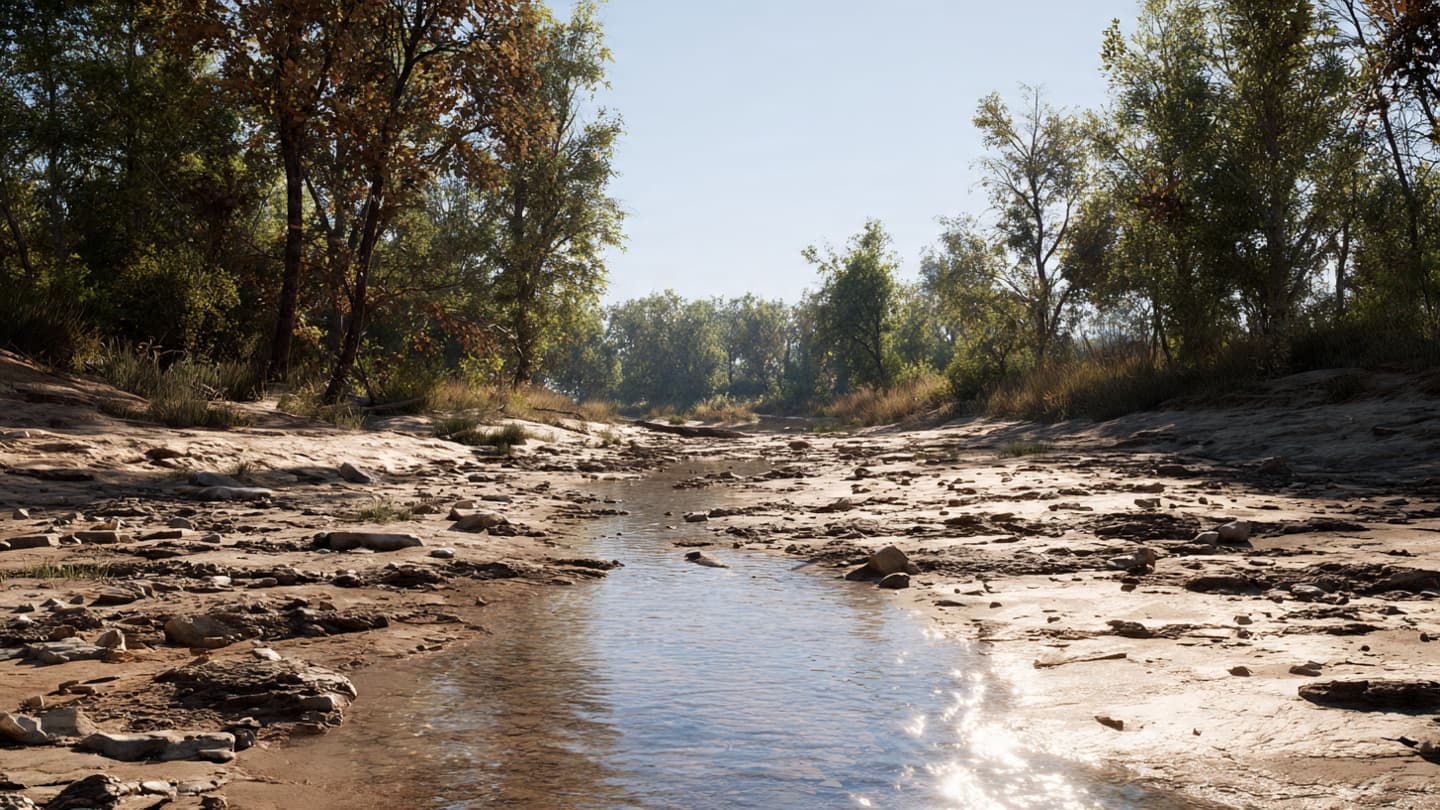
Heatwaves often leave their most visible marks on cities, roads, and daily life. Yet some of their most significant effects occur away from crowded streets and public attention. Across France, environmental agencies are monitoring river temperatures that have climbed to unusually high levels, reflecting the broader influence of sustained warmth on natural systems.
Rivers play a vital role in supporting ecosystems, agriculture, industry, and public water supplies. Under normal circumstances, water temperatures fluctuate gradually with seasonal conditions. During prolonged periods of intense heat, however, those patterns can change more rapidly than expected.
Scientists have observed that warmer water affects ecosystems in several ways. Fish and aquatic species depend on specific environmental conditions, including stable oxygen levels and suitable temperatures. When rivers become significantly warmer, ecological balances may be disrupted, creating challenges for species already adapting to seasonal variations.
The current situation has prompted increased monitoring efforts. Environmental agencies, researchers, and local authorities are collecting data to better understand how waterways are responding to the heatwave. Such information helps guide decisions related to conservation, water management, and environmental protection.
Agricultural and industrial sectors are also paying attention. Rivers support a wide range of economic activities, and changes in water conditions can influence operations across multiple industries. Understanding temperature trends is therefore important for both environmental and practical reasons.
Researchers emphasize that river systems are naturally resilient, but resilience has limits. Extended periods of extreme heat can create cumulative effects that require careful observation. Monitoring allows authorities to identify potential concerns before they develop into larger environmental issues.
The warming of rivers has renewed discussions about climate adaptation and resource management. Policymakers increasingly recognize that environmental planning must account for a wider range of conditions than previously anticipated. Waterways occupy a central place within these conversations because of their ecological and economic significance.
Local communities often experience the effects indirectly. Recreational activities, fishing, and tourism can all be influenced by changes in river conditions. As a result, awareness of water-related environmental issues continues to grow among the broader public.
Despite current concerns, experts stress that monitoring and early intervention remain effective tools. Scientific observations provide valuable insights that help authorities respond appropriately and protect vulnerable ecosystems during challenging periods.
As France continues through an unusually warm summer, its rivers offer another perspective on the reach of extreme weather. Beneath calm surfaces and flowing currents, they quietly reflect the environmental realities of a season that has already left a lasting impression across the country.
AI IMAGE DISCLAIMER:
Illustrations were produced with AI and serve as conceptual depictions.
SOURCES:
Reuters Le Monde Météo-France Associated Press France 24
Note: This article was published on BanxChange.com and is powered by the BXE Token on the XRP Ledger. For the latest articles and news, please visit BanxChange.com