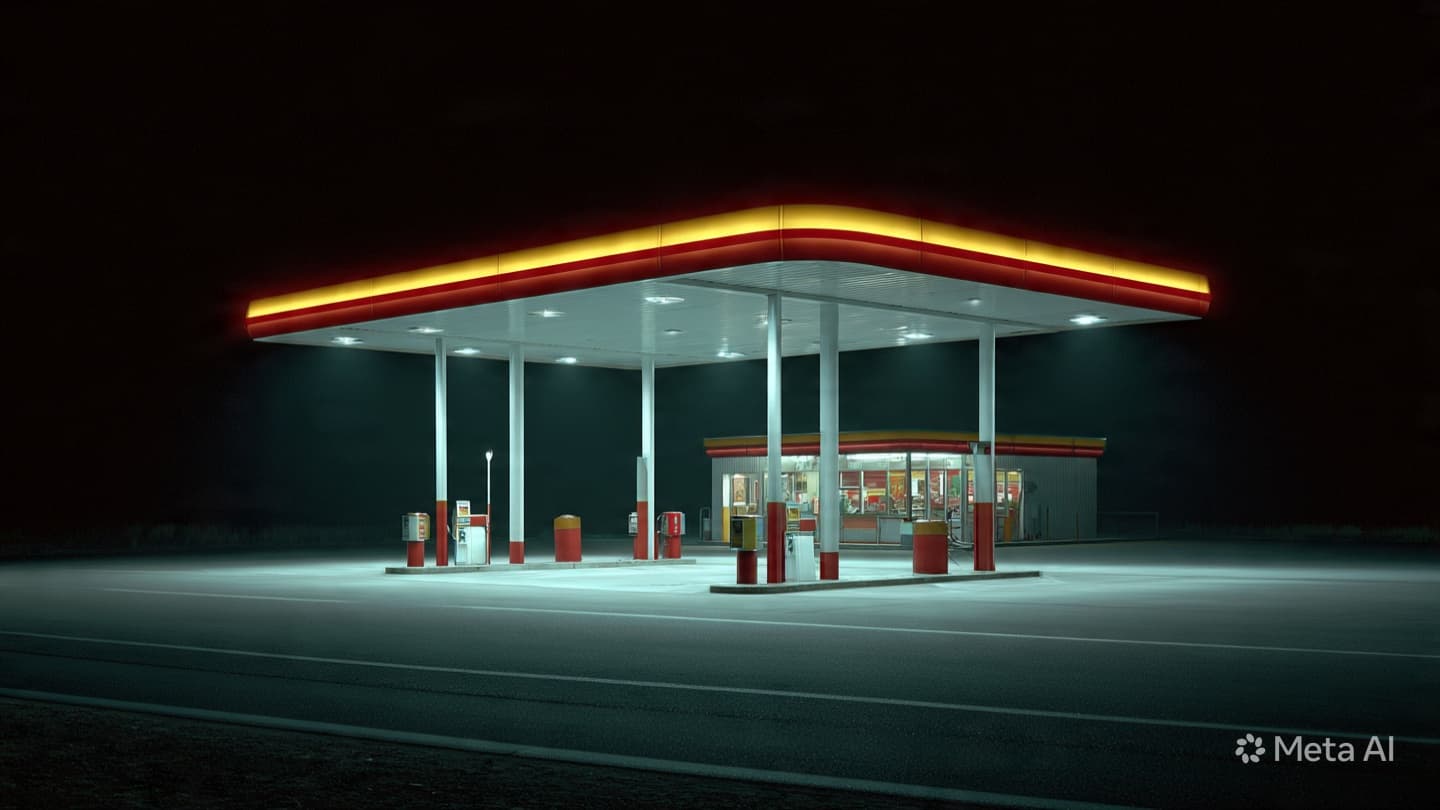
A petrol station, in the modern landscape, is a place of transit—a functional, brightly lit waypoint where we pause to refuel before returning to the road. It is a space characterized by the mundane: the beep of the register, the smell of gasoline, and the brief, efficient interactions of strangers. Yet, when that environment is hijacked by the unpredictable volatility of alcohol-fueled aggression, the station is transformed. The recent incident in Schifflange, where an intoxicated individual’s behavior turned an ordinary stop into a site of altercation, serves as a sharp reminder of the fragility of our public peace.
There is a particular sadness in watching a human being unravel in a public space. When alcohol strips away the layer of restraint that allows a society to function, what remains is often a raw, unmoored frustration. For the officers of the Grand Ducal Police who were called to the scene, the task was not merely one of enforcement, but of de-escalation—of managing a person who had become a danger to themselves and the quiet order of the neighborhood. It is a routine but taxing aspect of their work, moving between the roles of peacekeeper and witness to human decline.
The narrative of the incident—a fight, an injury, and the subsequent insults directed at the officers—is one we have read before, yet it never ceases to feel jarring. It points to a larger, more complex issue regarding our relationship with the spaces we share. We build these stations and transit hubs with the expectation of safety and civility, relying on a social contract that assumes a baseline of maturity. When that contract is breached, the resulting disruption is not just a police matter; it is a fracture in our collective feeling of security.
One cannot help but reflect on the context of the struggle. Was this a moment of personal crisis exacerbated by the numbness of alcohol, or a deeper-seated frustration that finally found an outlet in the middle of a mundane Wednesday? The uncooperative behavior, the lack of regard for authority, and the risk posed to others all suggest a person who has lost their tether to the reality of the community. In the bright, fluorescent glare of the station, the scene played out with a starkness that made the lack of control even more apparent.
We often look to the police as the final arbiters of such conflicts, expecting them to sweep the chaos aside and restore the status quo. But the editorial gaze asks more of us than mere reliance on law enforcement. It asks us to consider the social factors that lead to such moments of disconnect. Are we doing enough to look out for one another in our communal spaces? Is there a way to intervene before the stumble becomes a fight, and before the frustration turns into a police report? These are the quiet questions that linger in the wake of the sirens.
The aftermath—the filing of reports for insulting public officials, the medical examination for the intoxicated individual, and the restoration of the petrol station to its quiet, functional routine—is a cycle of restoration. The damage is patched up, the records are archived, and the community moves on. But the incident serves as a ripple in the calm, a reminder that the peace of our neighborhoods is something that must be actively guarded and maintained, both by the authorities and by our own individual commitment to remain civil, even when the world feels heavy.
Ultimately, the event in Schifflange is a portrait of human imperfection. It is a story of a moment where impulse won out over reason, and where a public space became the vessel for a personal failure. As we navigate our own journeys, stopping at these same waypoints, the incident is a small, sobering nudge toward patience. It is a reminder that the simple act of stopping to refuel is part of a larger, shared dance, one that requires us to be mindful of the space we occupy and the impact of our presence on the people around us.
Published by Banx Network. This article is part of the Banx decentralized media programme, powered by the BXE token on the XRP Ledger.