
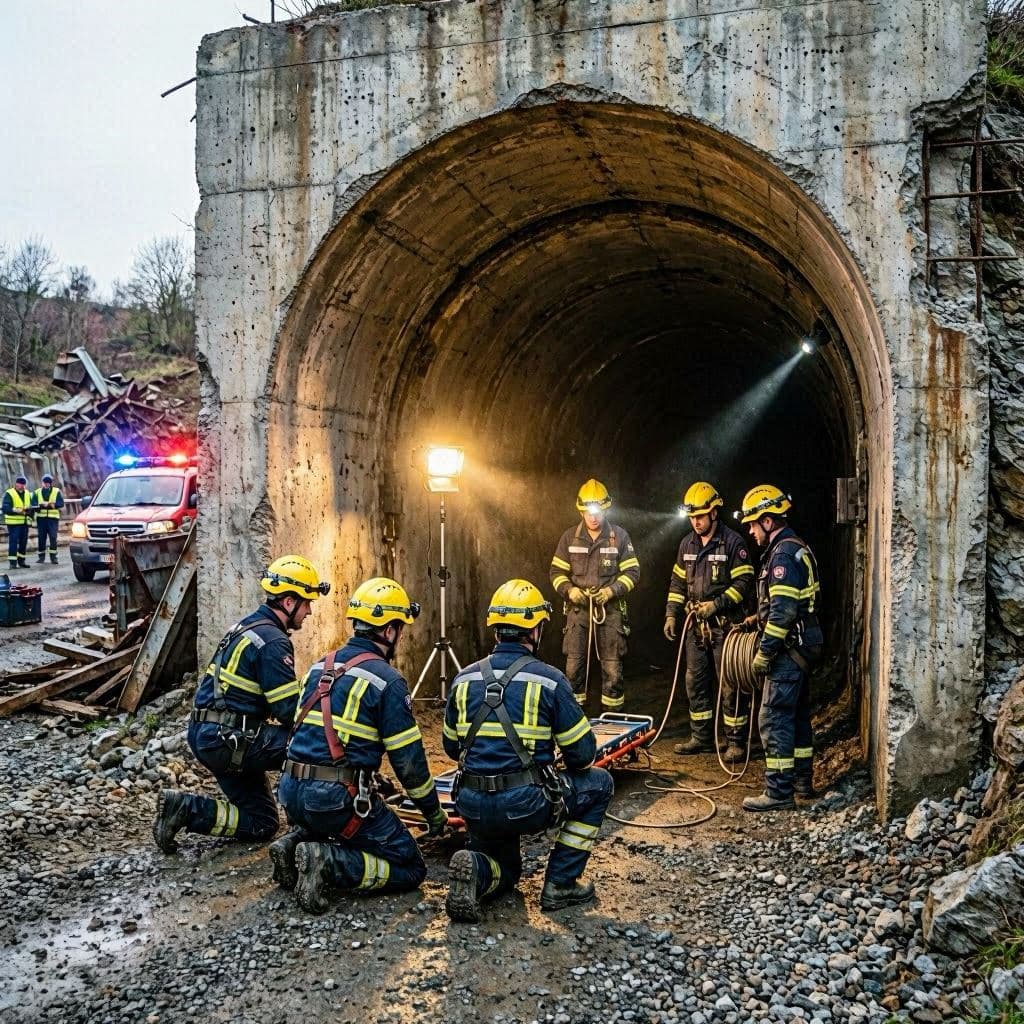
Deep within the mountainous regions of India, where rivers are harnessed for energy and progress, a sudden tragedy has struck. A blast in a tunnel at a hydropower project has claimed the lives of twelve workers and left thirteen others missing, casting a shadow over the nation’s infrastructure ambitions. This incident serves as a somber reminder of the risks inherent in large-scale engineering projects and the human cost of development. It is a moment that invites reflection on safety standards, emergency response, and the resilience of communities affected by industrial accidents.
The explosion occurred during routine construction or maintenance work, though the exact cause is still under investigation. Initial reports suggest that a buildup of gases or a structural failure may have triggered the blast. Rescue teams have been working tirelessly to locate the missing workers, navigating difficult terrain and hazardous conditions. The urgency of the search is palpable, with families waiting anxiously for news of their loved ones.
Hydropower is a critical component of India’s energy strategy, providing clean and renewable electricity to millions. Projects like this one are designed to reduce dependence on fossil fuels and meet growing demand. However, the complexity of building tunnels through unstable geological formations poses significant challenges. Ensuring the safety of workers in such environments requires rigorous protocols, advanced technology, and constant vigilance.
The loss of life has sparked outrage and grief across the region. Local communities have come together to support the families of the victims, offering condolences and assistance. Labor unions and safety advocates are calling for a thorough inquiry into the incident, demanding accountability and stricter enforcement of safety regulations. They argue that no amount of energy production is worth the sacrifice of human lives.
Government officials have expressed deep sorrow and promised a comprehensive investigation. They have assured the public that all necessary resources are being deployed for rescue and recovery operations. Compensation packages for the families of the deceased and injured are also being prepared. These measures, while necessary, cannot undo the tragedy, but they aim to provide some measure of justice and support.
This incident highlights the broader issue of industrial safety in developing economies. As nations race to build infrastructure, the pressure to meet deadlines can sometimes overshadow safety concerns. Strengthening regulatory frameworks and investing in worker training are essential steps to prevent future accidents. Learning from such tragedies is crucial for improving standards and protecting those who build our world.
For the families of the missing, hope persists alongside fear. Every hour brings new challenges for rescue teams, but the determination to find survivors remains strong. The community stands with them, offering prayers and support. In times of crisis, the bonds of humanity shine brightest, providing comfort in the face of uncertainty.
The blast at the Indian hydropower project is a tragic event that underscores the importance of safety in industrial development. As rescue efforts continue, the nation mourns the loss of life and calls for greater accountability. Ensuring the well-being of workers must remain a top priority in the pursuit of progress.
AI Image Disclaimer: Visuals in this piece are artificially generated and should be viewed as artistic interpretations rather than factual documentation.
Sources: Reuters BBC News The Times of India Al Jazeera
Note: This article was published on BanxChange.com and is powered by the BXE Token on the XRP Ledger. For the latest articles and news, please visit BanxChange.com