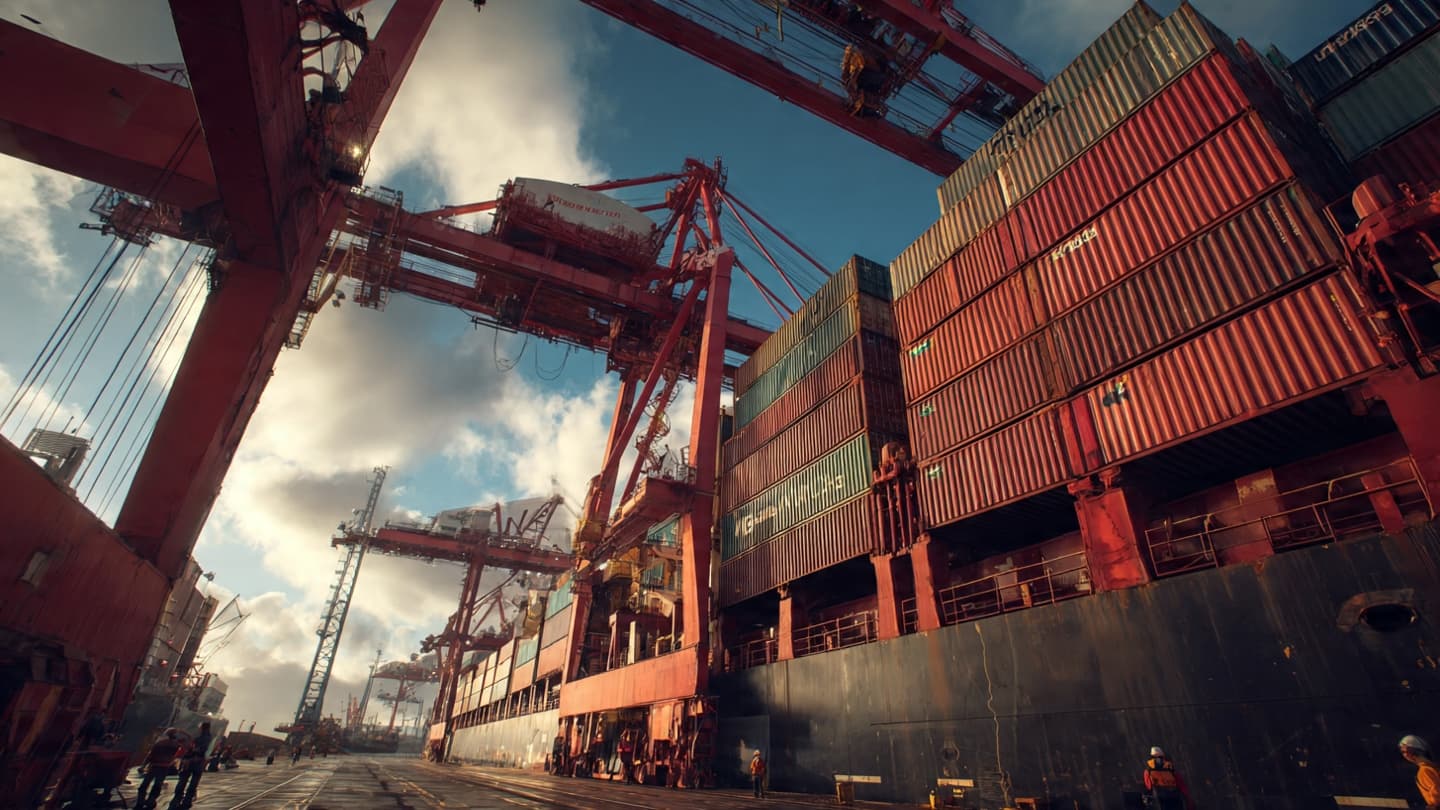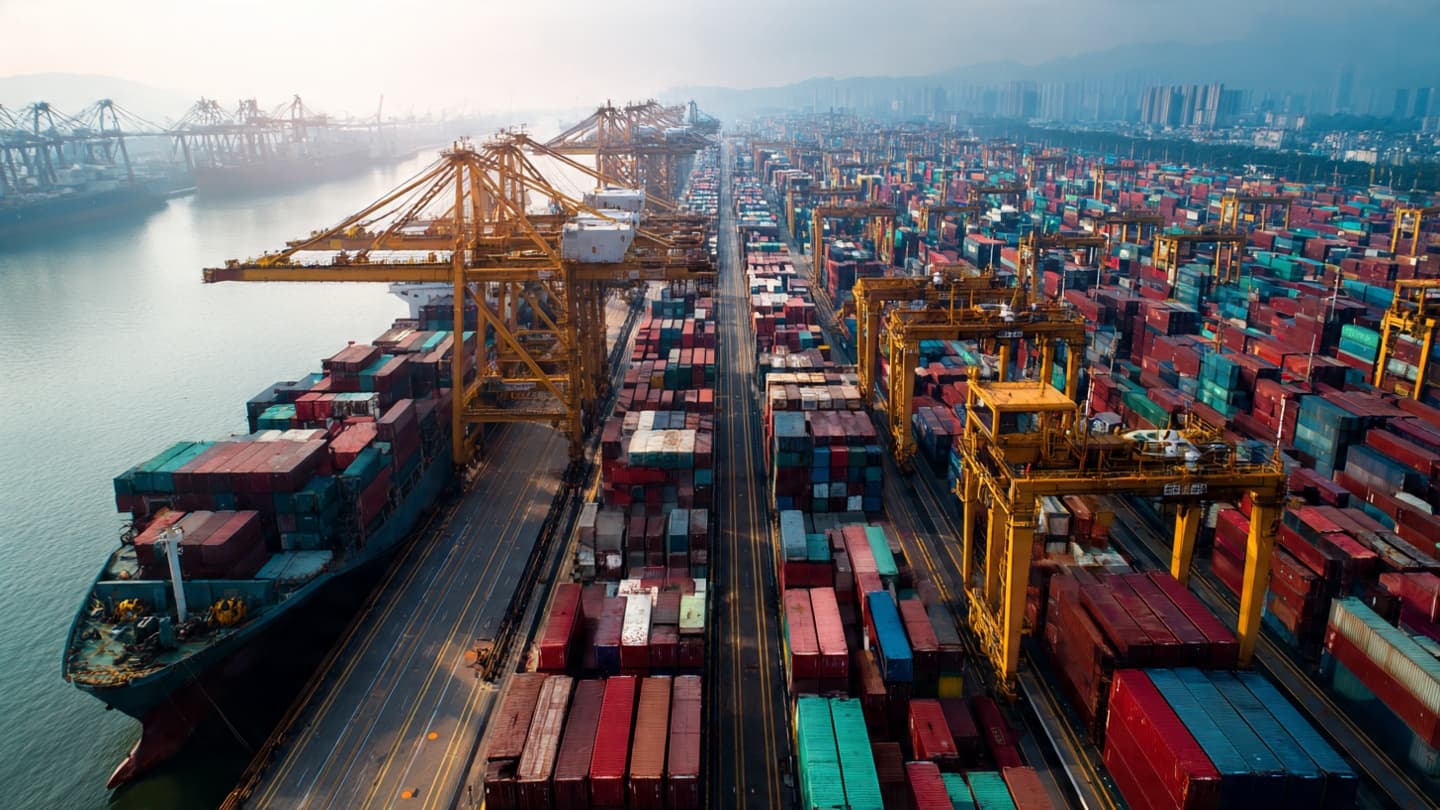
Every morning along China's coast, the movement begins again. Cranes lift containers, trucks enter and leave terminals, and ships wait for their next destination. Behind that familiar choreography is a larger economic story, one that has continued to show resilience even as global trade faces shifting conditions.
China's exports rose 23.9% year over year in July, while imports increased 27.5%, according to Reuters. The figures showed that international trade remained a powerful part of China's economic activity during the month, even as the pace of manufacturing growth inside the country showed signs of moderation.
Technology-related demand has been an important part of the export picture. Global investment in artificial intelligence and computing infrastructure has created strong demand for electronics, computer equipment, components, and other products connected to the digital economy. Chinese manufacturers remain deeply integrated into those international supply chains.
The strength of exports has also been visible after a particularly strong June. Earlier data showed China's exports grew 27% in June, creating a high base for July comparisons. Maintaining a growth rate close to 24% therefore represents continued momentum even if the pace has eased somewhat from the previous month.
Imports tell another part of the story. Their 27.5% increase suggests that manufacturers and other businesses continued bringing goods and materials into the country at a strong pace. Imports can feed factories, support investment, and supply domestic consumers, making them an important indicator of activity beyond the port itself.
Yet the wider industrial picture remains uneven. Reuters reported that China's factory activity slowed to a four-month low in July, with production and new orders expanding more slowly. The contrast between resilient exports and softer manufacturing indicators suggests that different parts of the economy are moving at different speeds.
For exporters, global demand remains an important source of stability. Companies can continue receiving orders from overseas even when domestic conditions are less energetic. But that same dependence can expose manufacturers to changes in consumer demand, shipping costs, trade restrictions, and investment cycles in other countries.
Artificial intelligence adds another dimension to the current trade environment. The construction of data centers around the world requires large quantities of computing equipment, electrical infrastructure, cooling systems, and components. China's manufacturing base places many companies close to those supply chains, allowing the country to participate in one of the most significant technology-investment cycles of the moment.
July's figures therefore leave a picture of an economy still deeply connected to the movement of global commerce. Containers continue to cross the oceans, factories continue to produce, and technology demand continues to pull goods through the supply chain. Whether this momentum can persist will depend on the strength of international demand and the changing conditions facing manufacturers in the months ahead.
AI Image Disclaimer: These visuals were created with AI tools as conceptual representations and are not authentic photographs.
Sources:
Reuters General Administration of Customs of China National Bureau of Statistics of China Nikkei Asia South China Morning Post
Note: This article was published on BanxChange.com and is powered by the BXE Token on the XRP Ledger. For the latest articles and news, please visit BanxChange.com