The night in Phuket often breathes with the scent of the sea and the damp, cooling earth, a sensory landscape that usually lulls its inhabitants into a state of quiet rest. For the hundreds of workers residing in the camps that dot the peripheral geography of the island, the hours past midnight are a time of necessary reprieve from the labor of the day. They exist in a world of corrugated iron and makeshift walls, structures that are functional yet inherently transient. It is a precarious way of life, built on the foundations of temporary work and the necessity of proximity to the island’s bustling construction and service sectors.
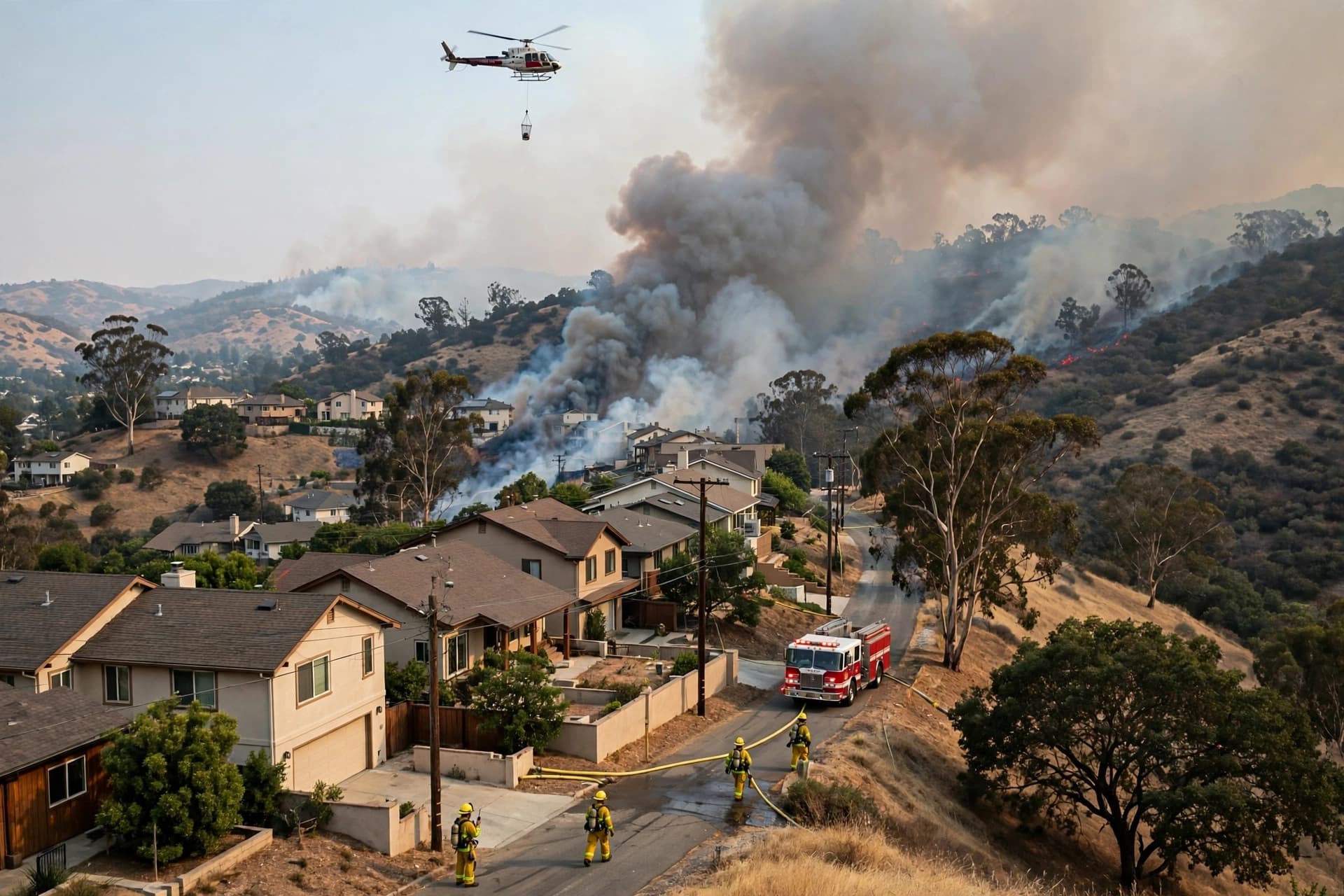
The fire that erupted in the camp did not announce itself with anything more than the sudden, frantic realization of heat and the encroaching glow of an unstoppable force. There was no time for the measured deliberation that characterizes the daylight hours; there was only the instinctual drive to abandon the familiar, even as it was being consumed. As the flames moved through the dense clusters of dwellings, the camp, which minutes before had been a silent collection of sleeping quarters, transformed into a scene of chaotic, desperate motion.
To witness such an event from the outside is to see a microcosm of modern fragility. The workers, many of whom are migrants drawn to the island by the promise of livelihood, found their entire world—their documents, their humble possessions, their sense of home—reduced to the elements of flame and smoke in a matter of minutes. The speed of the destruction acts as a stark reminder of the tenuous nature of existence when one lives on the very margins of the economy, where safety is often a secondary concern to the demands of necessity.
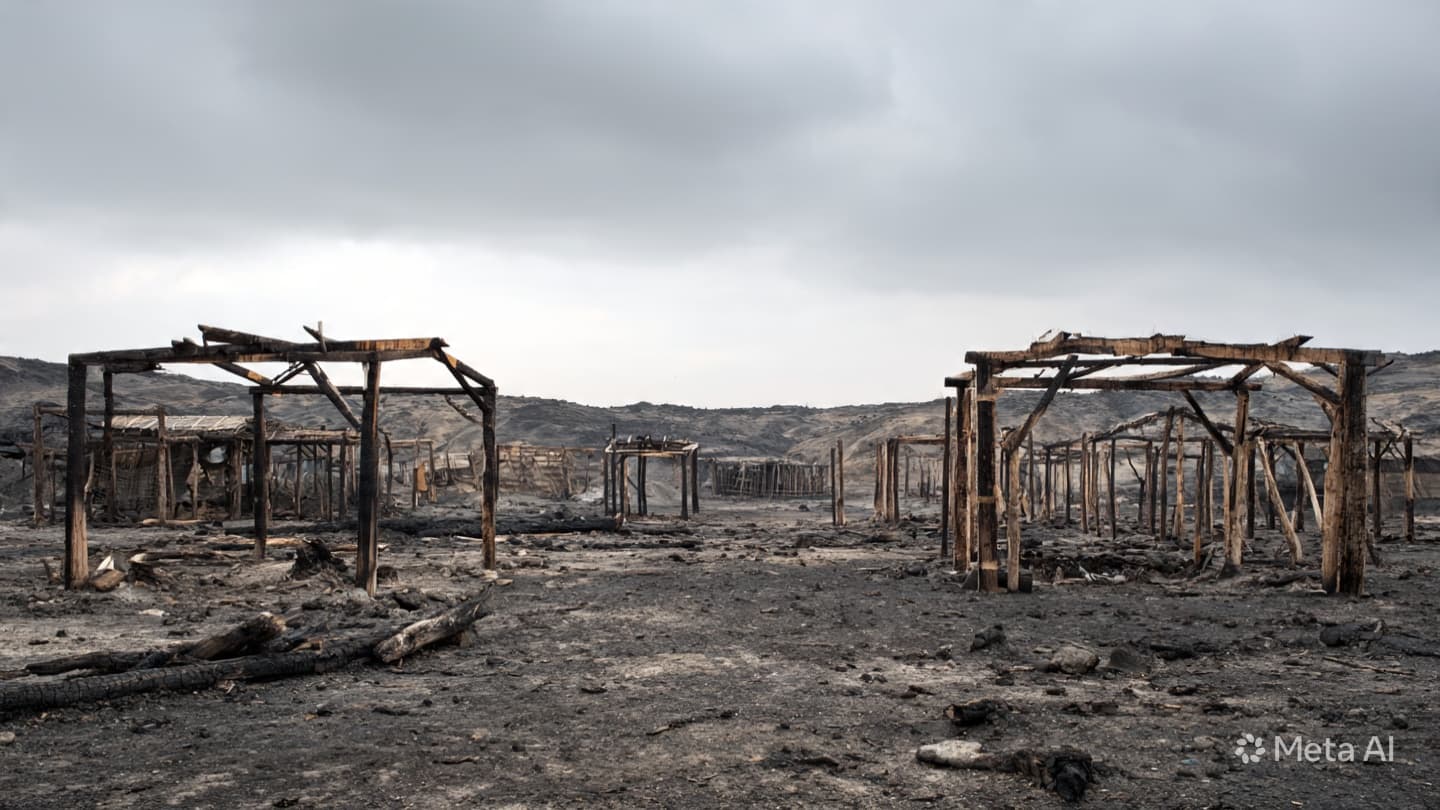
In the aftermath, the landscape of the camp is defined by the stark absence of the life that once occupied it. The charred earth and the skeletonized structures stand as a quiet testament to the suddenness with which a stable life can be dismantled. For those who fled, the displacement is both physical and internal; they are now forced to navigate the logistical challenges of temporary shelter and the emotional toll of losing the only spaces that offered them a sense of continuity and protection.
The investigation that follows will likely speak of electrical circuits and structural hazards, the clinical vocabulary used to describe the failures of our shared spaces. But these technical explanations do not fully account for the human experience of the disaster. They do not capture the sound of the wind carrying sparks across the night, or the feeling of standing on the outskirts of the camp, watching the things that anchored your existence turn into ash. It is a profound, isolating moment that highlights the gulf between the visible, vibrant life of the tourist zones and the hidden, vulnerable reality of those who build and sustain them.
Moving forward, the resilience of the displaced becomes the central narrative. They move to the temporary shelters provided by local authorities and community groups, a process that is as much about waiting as it is about recovery. There is a quiet, heavy patience in their demeanor, a recognition that they are part of a larger, systemic struggle where their security is not guaranteed. They are the invisible architecture of the island, yet in moments of crisis, they are the ones who bear the full brunt of the system’s failure to provide adequately for their basic human needs.
Reflecting on such an incident requires an acknowledgement of the disparity that defines the regional landscape. Phuket is a place of immense beauty and prosperity, a destination that draws millions for the sake of leisure and escape. Yet, tucked away from the resorts and the pristine beaches, there exists another Phuket—one of labor, struggle, and occasional tragedy. The fire serves as a stark, unavoidable bridge between these two realities, reminding us that the comfort of the few is often built upon the precarious lives of the many.
As the smoke clears and the displaced attempt to piece together the fragments of their lives, the community faces the difficult task of reconstruction. It is not merely about replacing the physical structures, but about addressing the underlying conditions that made the disaster possible in the first place. Until these issues of safety, regulation, and fundamental welfare are addressed, the camps will remain what they have always been: temporary, fragile, and dangerously vulnerable to the same sudden, destructive forces that changed everything in the span of a single night.
Following a massive blaze at a workers' camp in Phuket, over 500 residents were forced to flee for their safety. The fire, which consumed an area exceeding one rai, broke out in the late hours of the night, causing significant structural destruction. While emergency services responded to bring the situation under control, reports indicated that some residents sustained injuries during the evacuation. The displaced workers have been relocated to temporary shelters, and local authorities are currently investigating the incident to determine the cause of the fire.
Published by Banx Network. This article is part of the Banx decentralized media programme, powered by the BXE token on the XRP Ledger.