
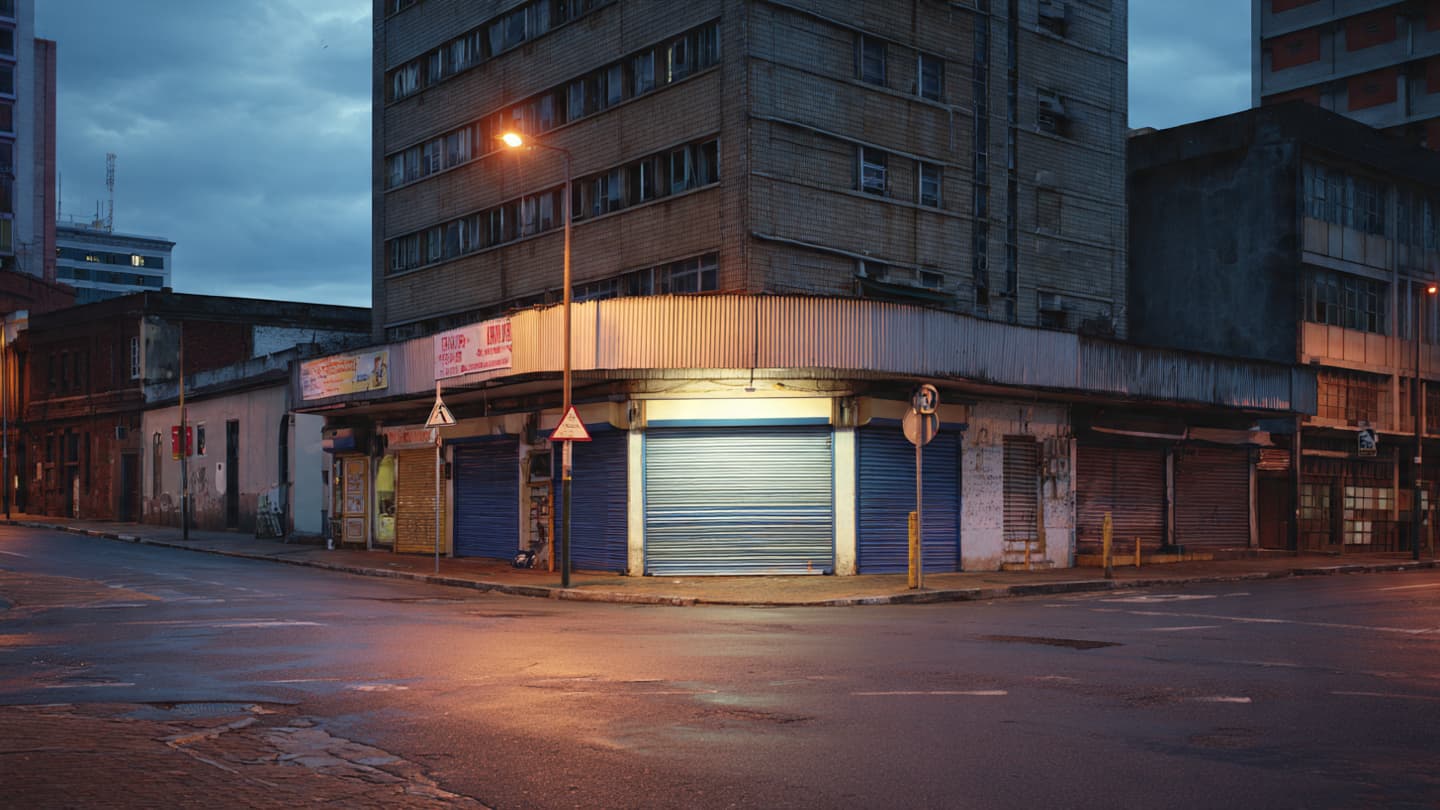
The architecture of a modern metropolis is built not only on steel and concrete, but on the delicate, unwritten social contracts shared between those who occupy its streets. In the dense urban centers of South Africa, where history has long dictated the complex terms of human coexistence, those contracts are experiencing a profound and unsettling strain. A quiet anxiety has settled into the vibrant marketplaces and residential quarters where diverse communities have traditionally intermingled. Recent reports have illuminated a sharp increase in targeted, exclusionary hostility, as localized vigilante groups mobilize against foreign nationals residing within major municipal boundaries. The resulting friction has disrupted the natural flow of daily life, transforming familiar neighborhoods into spaces of deep uncertainty and careful vigilance. The sudden shift from cooperative survival to active exclusion highlights the fragile nature of stability in rapidly changing economic environments. These gatherings often begin in the fading light of evening, where long-standing societal frustrations are redirected toward those perceived as outsiders. The rhetoric of protectionism quickly manifests as tangible action, causing significant distress to families who have built their lives and businesses within these urban landscapes. The physical and emotional weight of these displacements ripples far beyond the immediate flashpoints, affecting the broader civic conscience. Human rights monitors have documented these developments with a growing sense of gravity, noting that the erosion of community safety begins when a population feels increasingly isolated from systemic support. The response from civil society has been a quiet call for a return to the foundational principles of mutual respect and legal order. Yet, the deep-seated economic pressures that fuel these movements remain stubbornly present, resisting simple or immediate solutions. For the foreign shopkeepers and workers who have contributed to the local economic fabric, the current environment demands a high degree of daily calculation. Decisions about when to open a storefront or which paths to walk home are now viewed through the lens of personal security. This forced isolation changes the very character of the neighborhood, silencing the diverse voices that once defined the communal space. Law enforcement agencies find themselves navigating a complex landscape, balancing the necessity of maintaining public order with the challenge of addressing decentralized, mobile groups. The deployment of additional patrols serves to dampen the immediate threat of overt violence, but the underlying social friction requires a deeper, more reflective form of intervention. True security, as many community elders note, cannot be permanently enforced solely through the presence of uniform barricades. As the winter air begins to settle over the highveld, the immediate intensity of the gatherings fluctuates, leaving behind a landscape marked by watchful apprehension. The local municipalities are faced with the immense task of rebuilding the shattered bridges of communication between disparate cultural groups. It is a slow, delicate process that requires acknowledging shared hardships rather than assigning collective blame. The status of these urban centers remains delicate, with both community leaders and international observers urging restraint and a renewed commitment to human dignity. The coming weeks will test the capacity of these neighborhoods to heal from within and rediscover the shared humanity that once bound them together. For now, the streets rest in a quiet, fragile state, awaiting a gentler turn of the seasonal tide.
Note: This article was published on BanxChange.com and is powered by the BXE Token on the XRP Ledger. For the latest articles and news, please visit BanxChange.com