
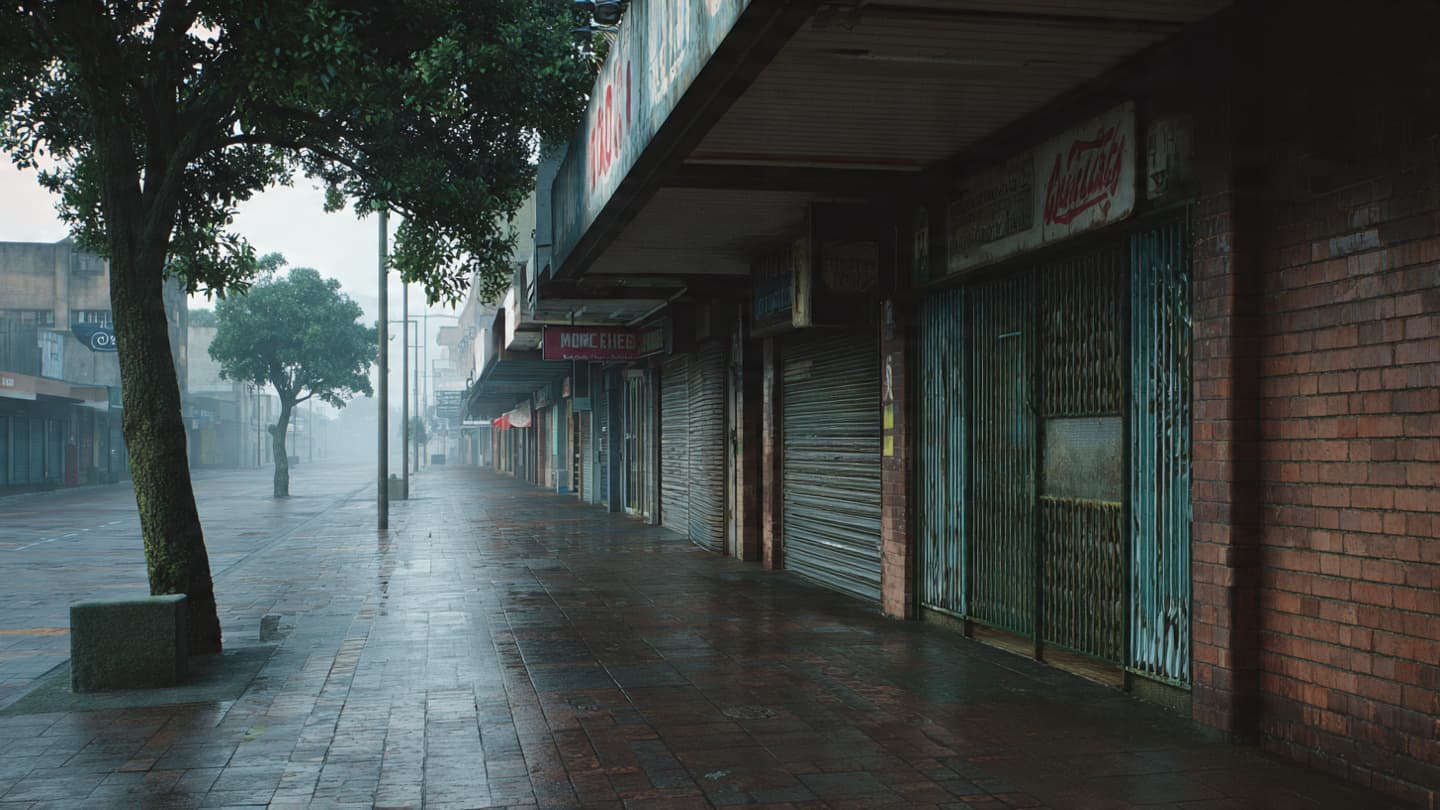
The economic heartbeats of Johannesburg and Durban are traditionally found in the dense, rhythmic movement of their commercial markets, where vendors from across the continent seek a livelihood. These streets are spaces of intense human interaction, where survival depends on the daily exchange of goods, services, and mutual tolerance. Recently, however, that commercial vibrancy has been replaced by a heavy, ominous stillness as anti-immigration mobs have swept through major retail districts. The sudden eruption of coordinated civilian clashes has targeted foreign-owned businesses, leaving behind shattered display windows, scattered merchandise, and a profound sense of communal dread. The motivations driving these groups are complex, rooted in systemic economic hardships, high unemployment rates, and a growing frustration with urban resource allocation. Yet, when these frustrations manifest as targeted property destruction, they threaten the foundational security of the entire municipality. In the wake of the initial confrontations, the immediate response from affected shopkeepers has been a quiet, necessary retreat behind locked security gates. For many who arrived in South Africa seeking a haven from conflicts in their own homelands, these events represent a deeply painful re-exposure to instability. The streets that once promised opportunity have temporarily transformed into zones of exclusion, monitored by tense crowds and active security forces. Human rights organizations operating within the region have issued strong statements urging both local leaders and civilian groups to reject the path of division. The documentation of these incidents reveals a troubling pattern of escalating hostility that threatens to destabilize fragile urban ecosystems. The long-term cost of this unrest is measured not just in monetary loss, but in the profound erosion of social trust between cultural groups. Law enforcement personnel have deployed specialized riot units to establish a presence at key commercial intersections, using visual deterrence to prevent further destruction. The physical presence of armored vehicles along familiar boulevards provides a temporary shield, but it cannot fully extinguish the underlying anger that fuels the crowds. Community elders in both Durban and Johannesburg are working quietly behind the scenes to initiate dialogues before the next nightfall. The impact of the clashes has felt across the broader local economy, as supply lines are disrupted and consumer confidence dips amid the safety concerns. Smaller informal traders, regardless of their nationality, have lost essential income as entire market sectors are cordoned off for security purposes. This collective economic penalty underscores the interconnected nature of contemporary urban survival. As smoke from occasional street fires dissipates into the winter sky, the affected neighborhoods remain in a state of high alert and watchful waiting. The task of restoring a sense of normalcy requires more than replacing broken glass; it demands a collective confrontation of the socio-economic anxieties that pit neighbor against neighbor. Without structural adjustments, the cycle of friction remains a constant threat to urban peace. The current status of the affected districts is one of uneasy containment, with security forces maintaining a strict vigil over the commercial sectors. The broader conversation regarding immigration policy and economic inclusion continues to evolve within the halls of governance, far removed from the immediate reality of the pavement. For now, the cities hold their breath, hoping for a return to the quiet cooperation that once defined their streets.
Note: This article was published on BanxChange.com and is powered by the BXE Token on the XRP Ledger. For the latest articles and news, please visit BanxChange.com