In laboratories around the world, scientific research has long depended on human precision, patience, and repetition. Yet in recent years, a new presence has begun to emerge among the lab benches and instruments—automated robotic systems designed to perform experiments with consistent accuracy and speed.
These laboratory robots are being developed and deployed by research institutions and biotechnology companies seeking to accelerate discovery processes. Their capabilities include handling samples, conducting chemical reactions, and recording experimental results with minimal human intervention.
One of the key advantages of automation in laboratory environments is consistency. Unlike manual procedures, robotic systems can perform repeated tasks without variation, reducing the likelihood of human error and increasing reproducibility in experimental science.
Researchers note that this does not eliminate the role of scientists, but rather shifts their focus toward experimental design, data interpretation, and hypothesis development. The machines handle repetitive physical tasks, while humans guide the intellectual direction of research.
In fields such as drug discovery and molecular biology, automation has significantly increased the number of experiments that can be conducted in a given timeframe. This expanded capacity allows for faster screening of compounds and more comprehensive data collection.
However, integration of robotics also introduces new challenges, including system calibration, software reliability, and the need for interdisciplinary expertise combining biology, engineering, and computer science.
Despite these challenges, automated laboratories are increasingly seen as a natural evolution of scientific infrastructure, especially in high-throughput research environments.
As these systems continue to develop, the modern laboratory is gradually becoming a hybrid space where human insight and machine precision work together to expand the boundaries of scientific discovery.
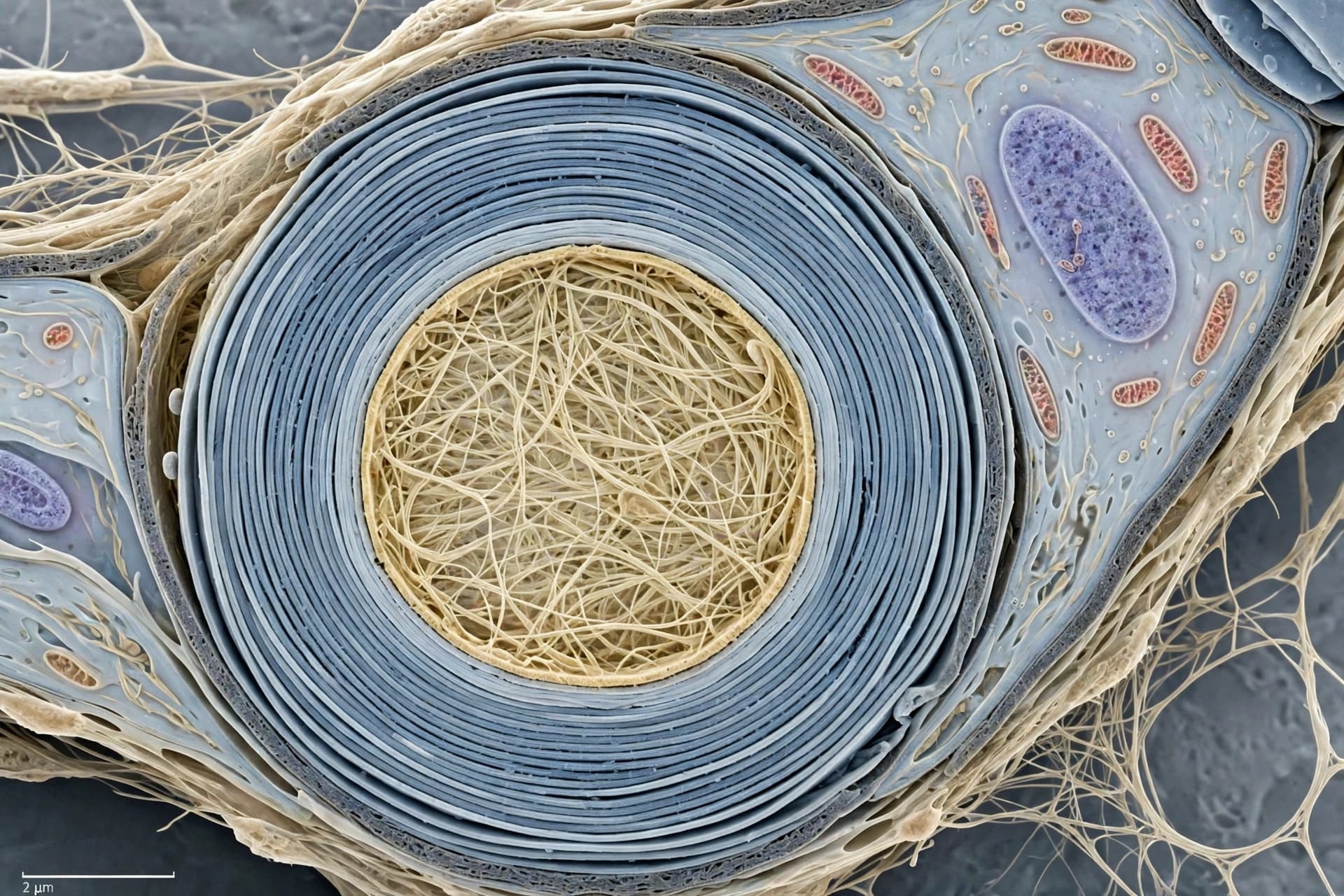
AI Image Disclaimer: All images described are AI-generated conceptual illustrations used for editorial visualization.
Sources: Nature Methods, MIT Technology Review, Science Robotics, NIH Research, Science Daily
Published by Banx Network. This article is part of the Banx decentralized media programme, powered by the BXE token on the XRP Ledger.