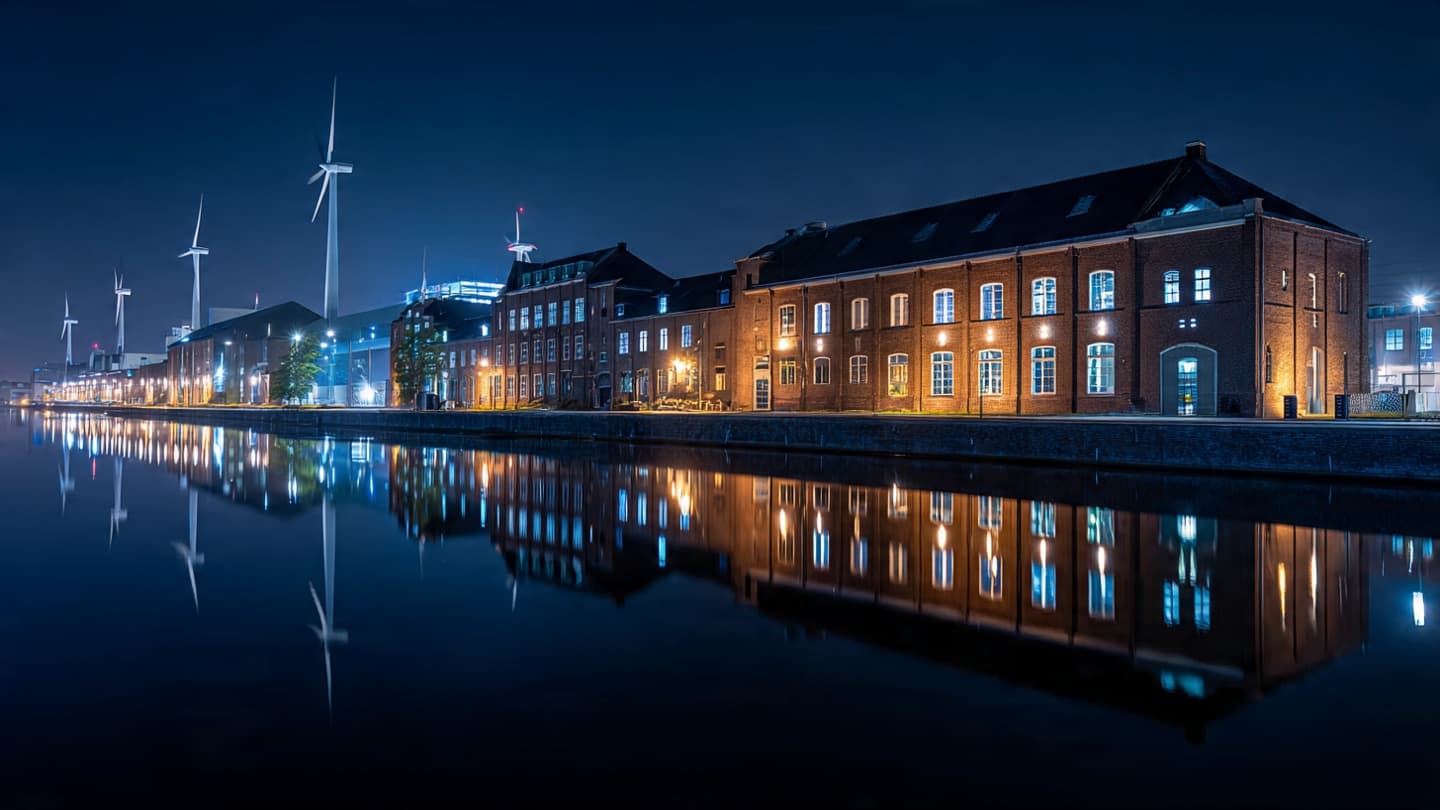
Across the Netherlands, technology has become an increasingly important part of the country’s economic landscape. From research centers to industrial facilities, digital innovation continues creating new connections between ideas, businesses, and global markets.
The Dutch economy has traditionally been supported by trade, manufacturing, and specialized industries. Today, technology is becoming another important foundation shaping future opportunities.
Digital transformation has encouraged companies to develop new services, improve efficiency, and explore emerging fields. Artificial intelligence, cloud computing, and advanced manufacturing are becoming important elements of this changing environment.
The technology sector’s growth is supported by a combination of skilled workers, research institutions, and companies focused on innovation. These elements create an ecosystem where new ideas can develop into practical solutions.
The Netherlands’ role in semiconductor technology has also strengthened its position within global digital industries. Advanced manufacturing capabilities connect the country with international technology networks.
Beyond hardware, digital services continue expanding throughout different sectors. Businesses are adopting new systems to improve communication, productivity, and customer experiences.
The transformation of the Dutch technology economy reflects a broader global movement. Countries are increasingly investing in digital capabilities as technology becomes deeply connected with economic development.
As innovation continues moving forward, the Netherlands remains focused on building a technology-driven future. The country’s digital economy reflects the gradual meeting point between industrial experience and new technological possibilities.
AI Image Disclaimer: These AI-generated images are conceptual illustrations and should not be interpreted as real photographs.
Sources Reuters Financial Times European Commission Digital Economy Reports
Note: This article was published on BanxChange.com and is powered by the BXE Token on the XRP Ledger. For the latest articles and news, please visit BanxChange.com