For much of human history, the Moon has stood as a distant companion in the night sky—constant, silent, and unchanged. Yet in modern times, it has become something more: a destination that reflects humanity’s evolving technological ambition.
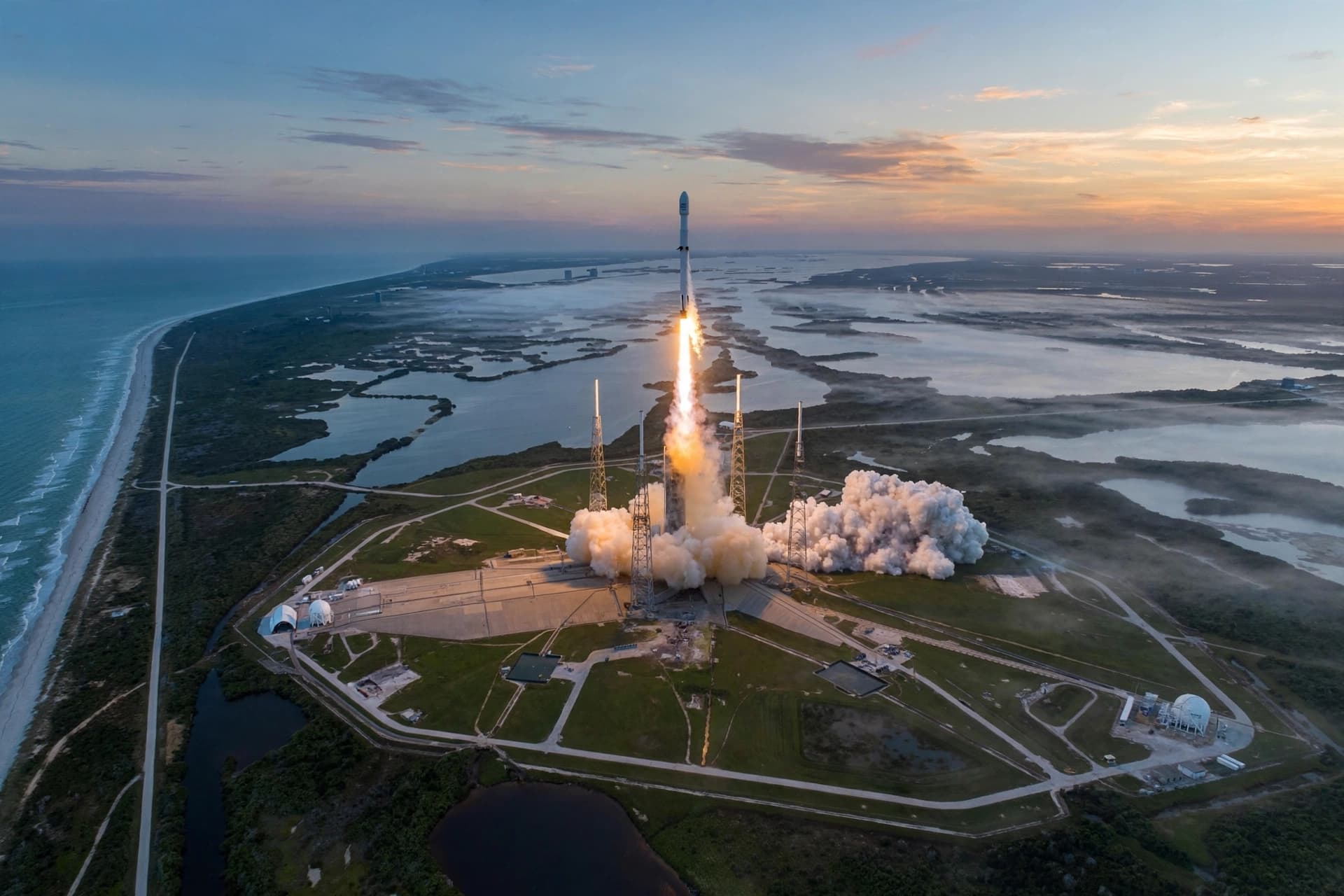
Body: NASA’s announcement of the crew for the Artemis III mission marks another step toward returning humans to the lunar surface. This mission is part of the broader Artemis program, which aims to establish a sustained human presence on and around the Moon.
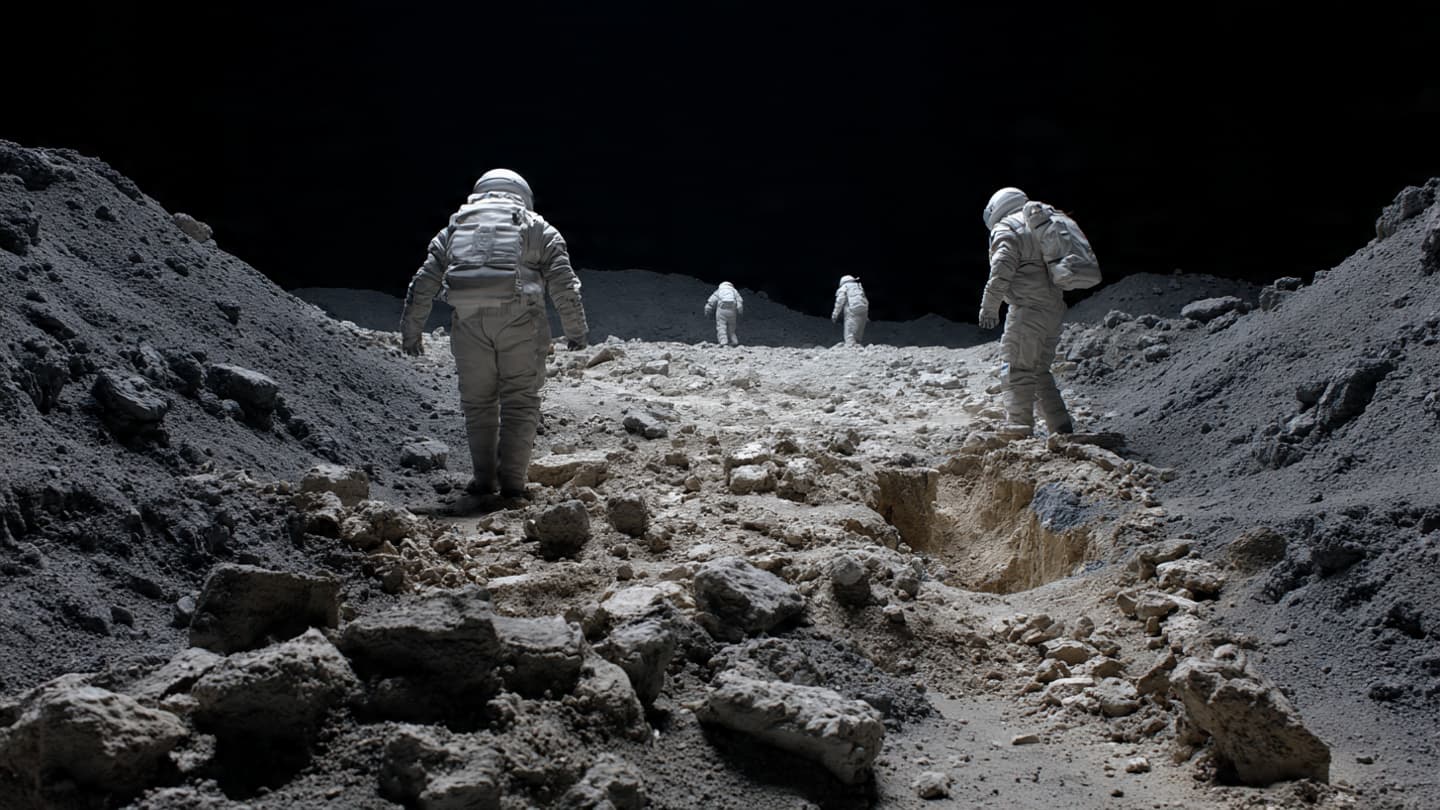
The selected astronauts represent a combination of experience, technical expertise, and adaptability to deep-space conditions. Their preparation involves years of training in simulation environments designed to replicate lunar terrain and mission scenarios.
Artemis III is particularly significant because it is expected to be the first crewed lunar landing mission in the Artemis program. It will focus on exploring regions near the Moon’s south pole, an area of scientific interest due to its permanently shadowed craters.
These regions may contain water ice, a resource that could support future long-term exploration efforts. Understanding how to extract and utilize such resources is a key part of NASA’s long-term vision.
The mission also reflects broader international collaboration in space exploration. Partnerships with commercial aerospace companies and international agencies are becoming increasingly central to mission design and execution.
At the same time, the mission carries symbolic weight. It represents a continuation of humanity’s exploratory spirit, decades after the Apollo era first brought humans to the lunar surface.
Engineers and scientists emphasize that each Artemis mission builds foundational knowledge for future deep-space exploration, including potential missions to Mars.
Closing: As preparations continue, Artemis III stands as both a technical challenge and a quiet reminder that humanity’s reach beyond Earth is still unfolding.
AI Image Disclaimer: All visuals are AI-generated and intended for conceptual illustration of space exploration.
Sources: NASA, Space.com, BBC Science, Reuters, European Space Agency
Published by Banx Network. This article is part of the Banx decentralized media programme, powered by the BXE token on the XRP Ledger.