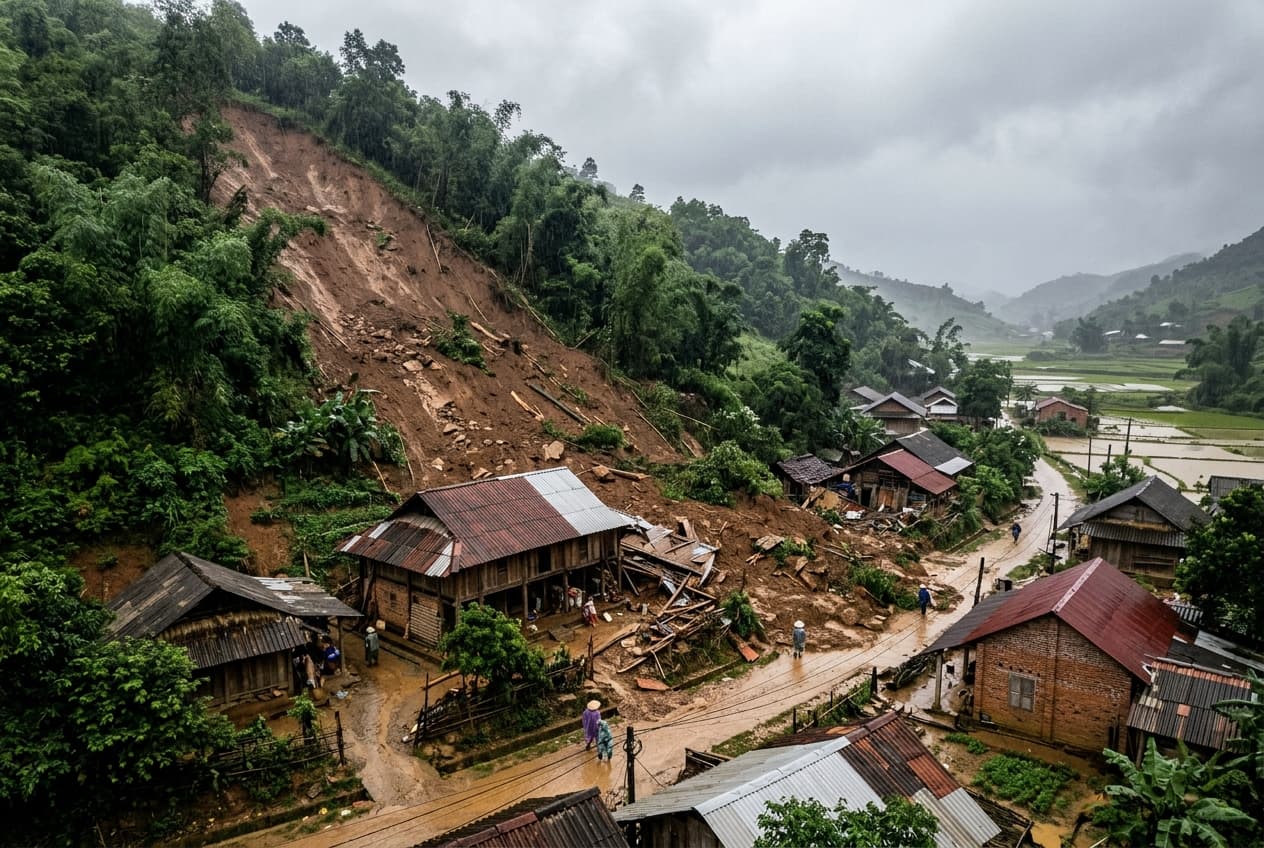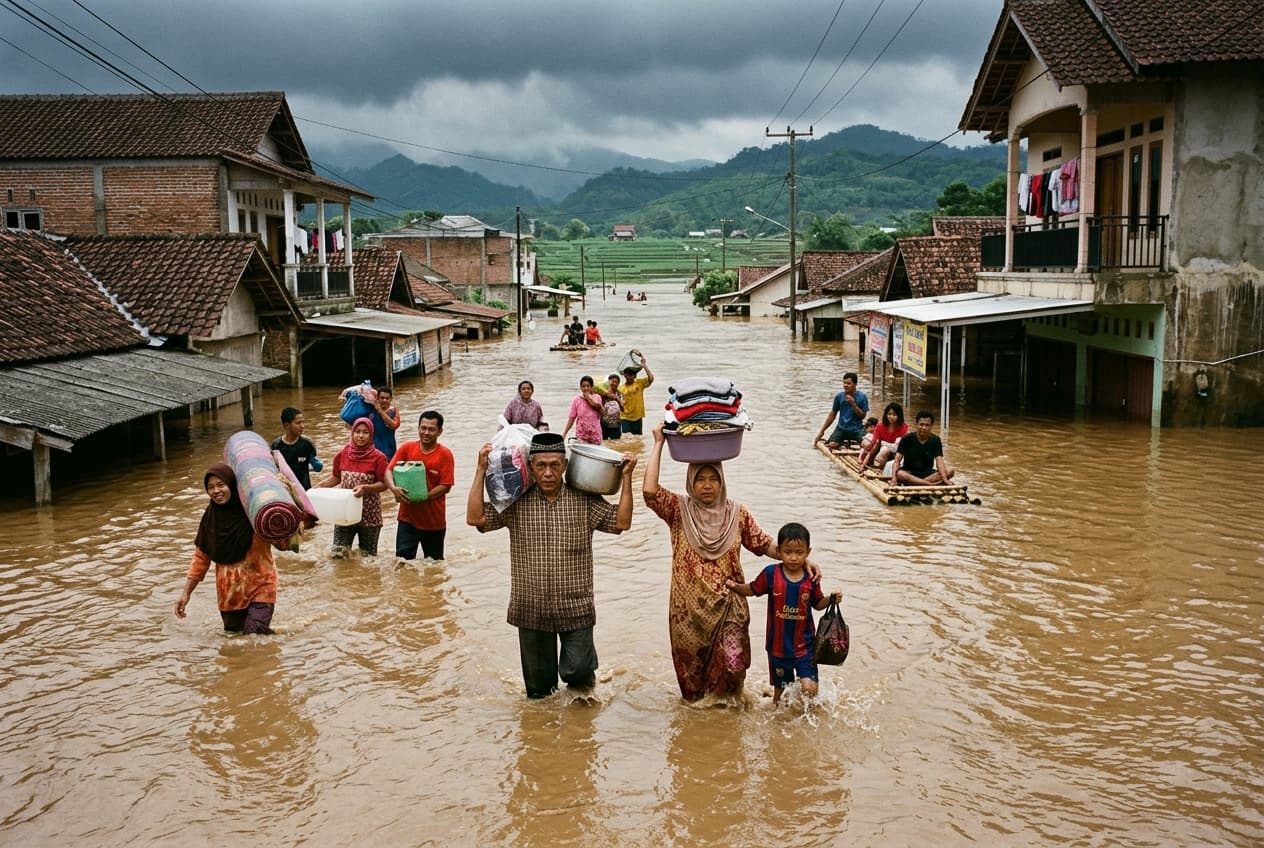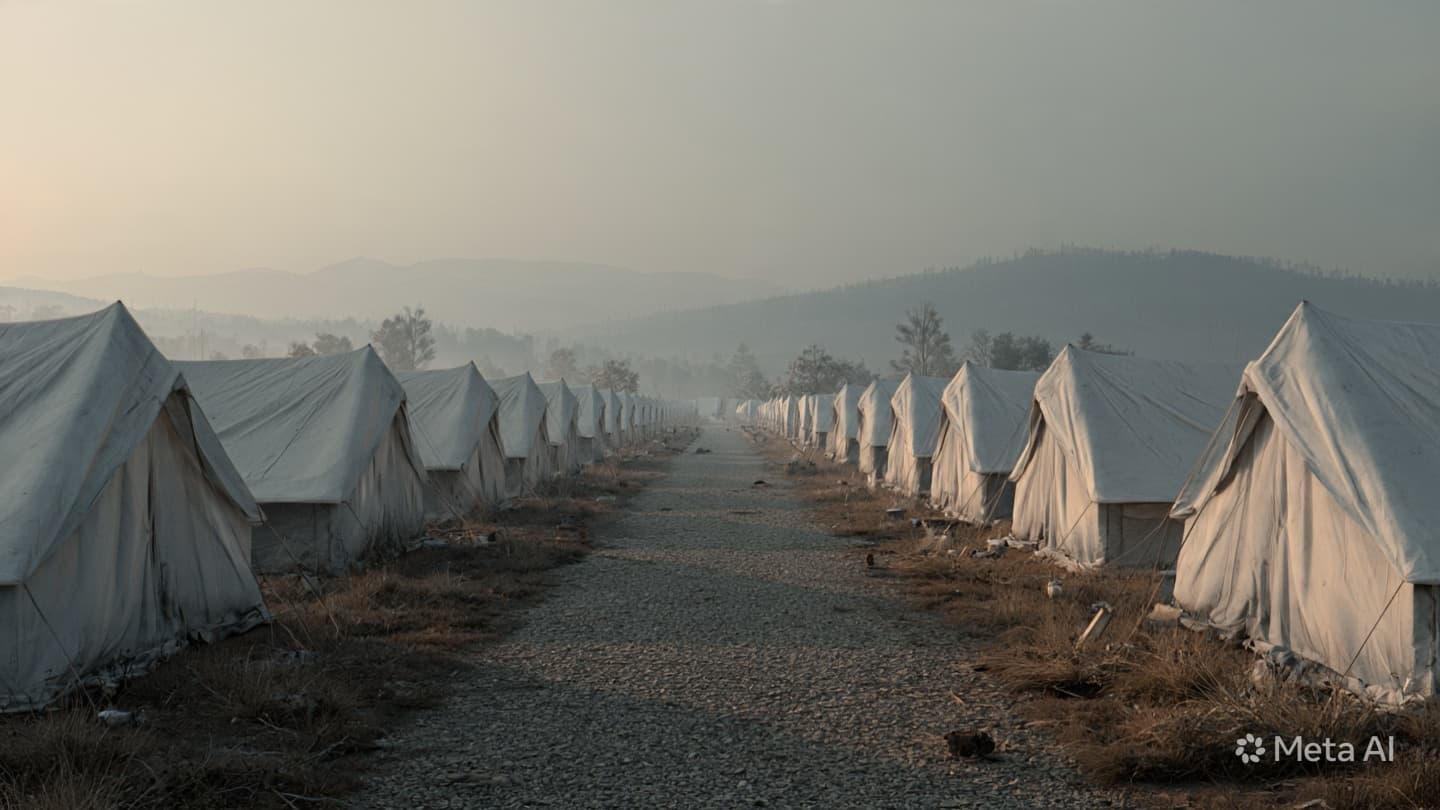
The displacement caused by a disaster of such magnitude is rarely measured in a single event, but in the long, unfolding narrative of living away from the familiarity of home. In the provinces across Mindanao, thousands of families currently reside in temporary shelters or with relatives, their lives suspended in the period between the earthquake and the slow work of reconstruction. As the initial excitement of the relief response gives way to the daily reality of displacement, the focus shifts to the continuity and reach of humanitarian aid—a vital lifeline for those currently navigating the uncertainty of their situation.
Humanitarian aid, while essential, is a dynamic process that requires a delicate balance of scale and precision. From the distribution of clean water and food staples to the provision of hygiene kits and medical supplies, the effort involves a vast, synchronized network of local organizations and international partners. The challenge is to maintain this support over the long term, ensuring that the needs of the displaced are met not just in the immediate aftermath, but for as long as they are unable to return to their homes.
For the families themselves, the experience is one of resilience and adaptation. Whether they are living in large, organized evacuation centers or finding space within the homes of friends, there is a profound dignity in the way they manage their daily lives. The aid they receive is more than just material sustenance; it is a signal that they have not been forgotten. It is the tangible evidence of a community’s commitment to look after its most vulnerable members during a time of crisis.
The coordination of this aid is a complex, multi-layered operation. The Department of Social Welfare and Development, along with various NGOs and international agencies, works tirelessly to monitor the evolving needs of the displaced population. This involves regular assessments of conditions in the centers, the identification of families who have not yet received assistance, and the strategic positioning of supplies to ensure that no one is left behind.
As the weeks of displacement extend, the discourse surrounding the aid has moved toward more comprehensive support, including the provision of educational opportunities for children and mental health programs for those processing the trauma of the quake. The goal is to create an environment that, while temporary, offers a sense of stability and normalcy. This is a critical aspect of humanitarian work, recognizing that the health of the family unit is the foundation upon which the future reconstruction of the community will be built.
The landscape of Mindanao is now dotted with the markers of this displacement—the tents and temporary structures that have become the temporary geography of everyday life. These spaces are centers of community in their own right, where neighbors continue to look out for one another and where the collective experience of the earthquake is shared and processed. It is a period of waiting, of quiet endurance, and of cautious hope.
As the recovery efforts continue to evolve, the focus remains on the sustainability of the support. The path back to stability is a long one, and it requires the ongoing, committed presence of the relief networks. The families who await this aid are the central actors in this narrative, their resilience a testament to the strength of the people of Mindanao.
The ongoing support for the displaced families remains a priority for the government and its partners. As the recovery shifts into the next phase, the commitment is to ensure that the aid is not only consistent but also responsive to the unique challenges of each family. It is a process of steady, methodical care, ensuring that every individual has the resources they need to eventually transition from the current state of displacement toward a secure and permanent future.
The Department of Social Welfare and Development continues to oversee the sustained distribution of humanitarian aid to thousands of families displaced by the June 8 magnitude 7.8 earthquake in Mindanao. As of late June, relief operations are ongoing across multiple regions, with a focus on delivering food packs, hygiene supplies, and temporary shelter kits to both established evacuation centers and households sheltering with relatives. Financial assistance programs and mobile social services have also been deployed to provide mental health and medical care to affected communities. While significant aid has already been delivered, authorities acknowledge that the long-term displacement of families necessitates a continued, coordinated effort to maintain supply chains and service delivery throughout the ongoing recovery phase.
Published by Banx Network. This article is part of the Banx decentralized media programme, powered by the BXE token on the XRP Ledger.