In the interior of British Columbia, where the landscape is defined by rolling hills and dense forests, a sense of urgency has taken hold as wildfires continue to challenge local communities. Near the village of Clinton, a complex of fires has merged and intensified, prompting warnings from officials that significant growth is still possible. The situation serves as a sobering reminder of the power of nature and the increasing volatility of fire seasons in a changing climate. For residents and firefighters alike, the days are long and the stakes are high, as they work to protect homes, livelihoods, and the natural environment.
The threat is not just immediate but also symbolic of broader environmental shifts. It invites reflection on how we coexist with wildlands and the importance of preparedness in the face of unpredictable weather patterns.
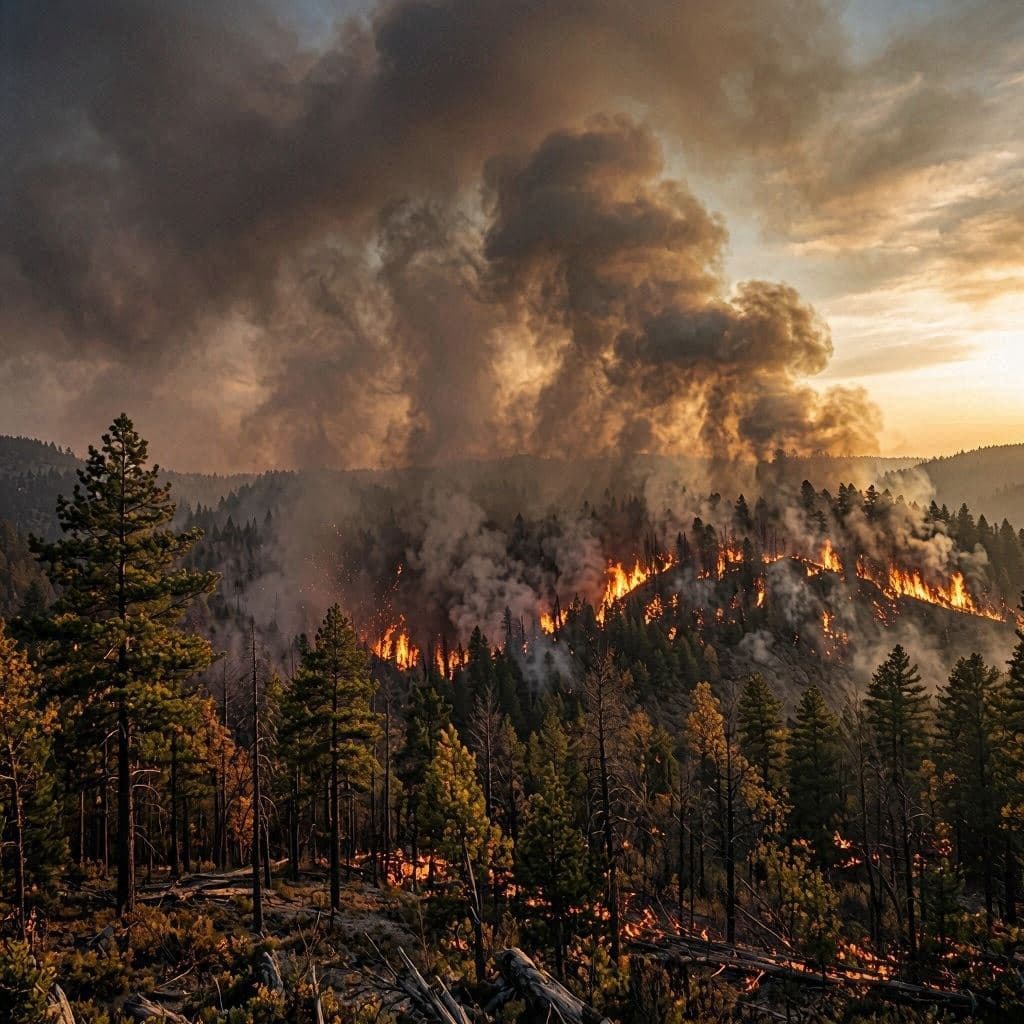
Body: The BC Wildfire Service has reported that several fires in the area, including the Ainslie Creek and Big Bar complexes, have merged or are in the process of doing so. This consolidation creates a massive blaze that stretches for hundreds of square kilometers, generating its own weather systems and behaving unpredictably. Dry conditions and strengthening winds are expected to fuel further expansion, making containment efforts increasingly difficult.
Evacuation orders remain in place for hundreds of residents in and around Clinton. Many have been displaced for weeks, living in temporary accommodations while waiting for news about their properties. The uncertainty is a heavy burden, compounded by the smoke that blankets the region, affecting air quality and health. Community support networks have stepped in to provide food, shelter, and emotional assistance to those affected.
Firefighters from across the province and beyond have been deployed to the front lines. They work tirelessly in harsh conditions, digging firebreaks, dropping water from aircraft, and monitoring hotspots. Their dedication is commendable, yet the scale of the fires often outpaces human intervention. The reliance on favorable weather changes highlights the limitations of current firefighting capabilities against such large-scale events.
The merging of fires has created a pyrocumulus cloud, a phenomenon where the heat from the blaze generates its own storm system. This can lead to erratic wind patterns and lightning strikes, potentially igniting new spots ahead of the main fire front. Meteorologists and fire behavior analysts are closely monitoring these developments to provide accurate forecasts and warnings to emergency responders.
Local infrastructure, including highways and power lines, faces significant risk. Road closures have disrupted travel and supply chains, affecting both residents and businesses. Utility companies are working to maintain service where possible, but safety concerns often require preemptive shut-offs. The economic impact on the region is substantial, with tourism and agriculture particularly vulnerable.
Community resilience is being tested but also strengthened. Neighbors check on each other, share resources, and offer words of encouragement. Social media groups have become vital hubs for information exchange, helping evacuees stay connected and informed. This spirit of solidarity is a beacon of hope amidst the chaos.
As the fire season progresses, the focus remains on protection and mitigation. Structures in the path of the fire are being defended with sprinkler systems and fire-resistant materials. However, the sheer size of the blaze means that some areas may be left to burn naturally, a strategy known as managed withdrawal, which prioritizes firefighter safety and critical assets.
Looking ahead, the recovery process will be long. Once the fires are contained, assessments of damage to ecosystems and property will begin. Reforestation efforts and community rebuilding will require sustained commitment and resources. The experience of this season will likely influence future land management and fire prevention policies.
Closing: The potential for significant growth in the wildfires near Clinton underscores the ongoing challenges of fire management in British Columbia. It invites continued vigilance, support for affected communities, and a deeper understanding of our relationship with the natural world.
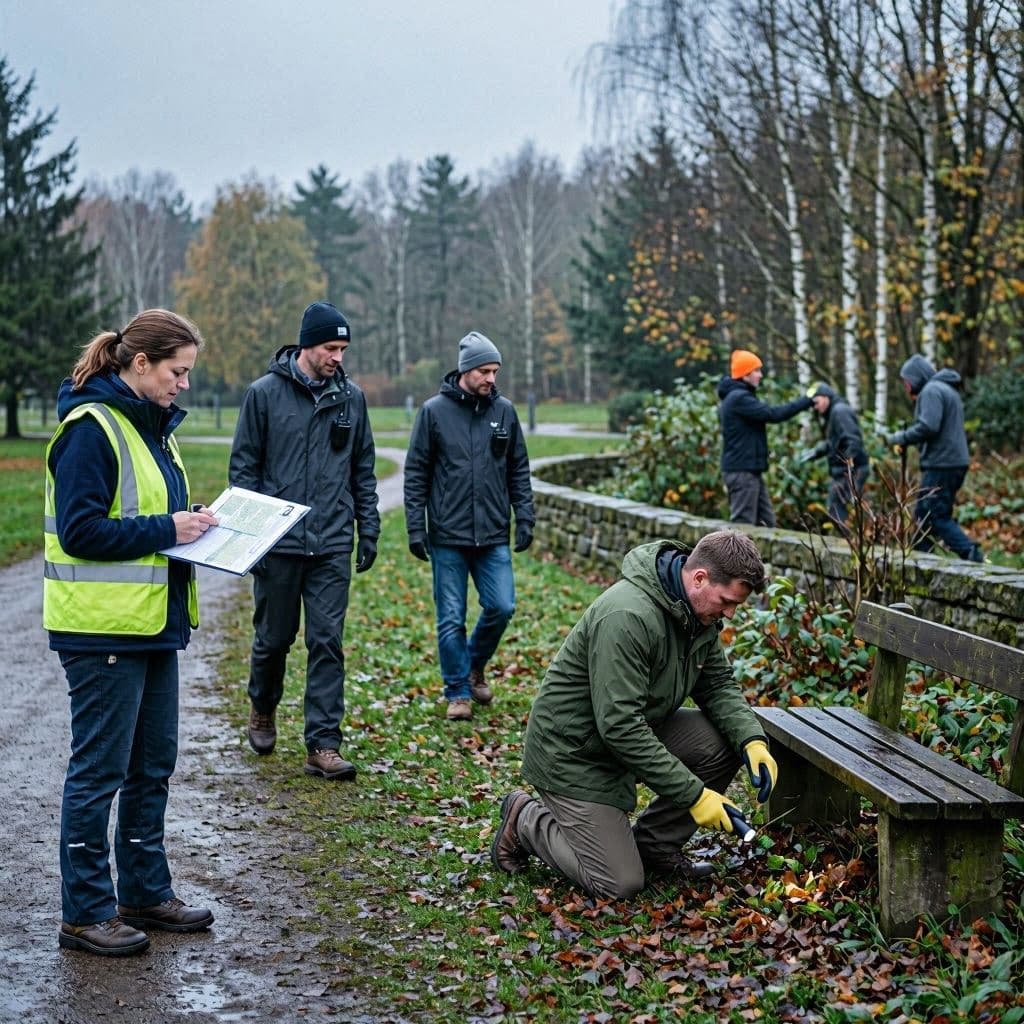
AI Image Disclaimer: The visuals accompanying this article are AI-generated illustrations designed to reflect the intensity of wildfire management and the rugged landscape of British Columbia.
Sources: CBC News Global News BC Wildfire Service Vancouver Island Free Daily
Note: This article was published on BanxChange.com and is powered by the BXE Token on the XRP Ledger. For the latest articles and news, please visit BanxChange.com