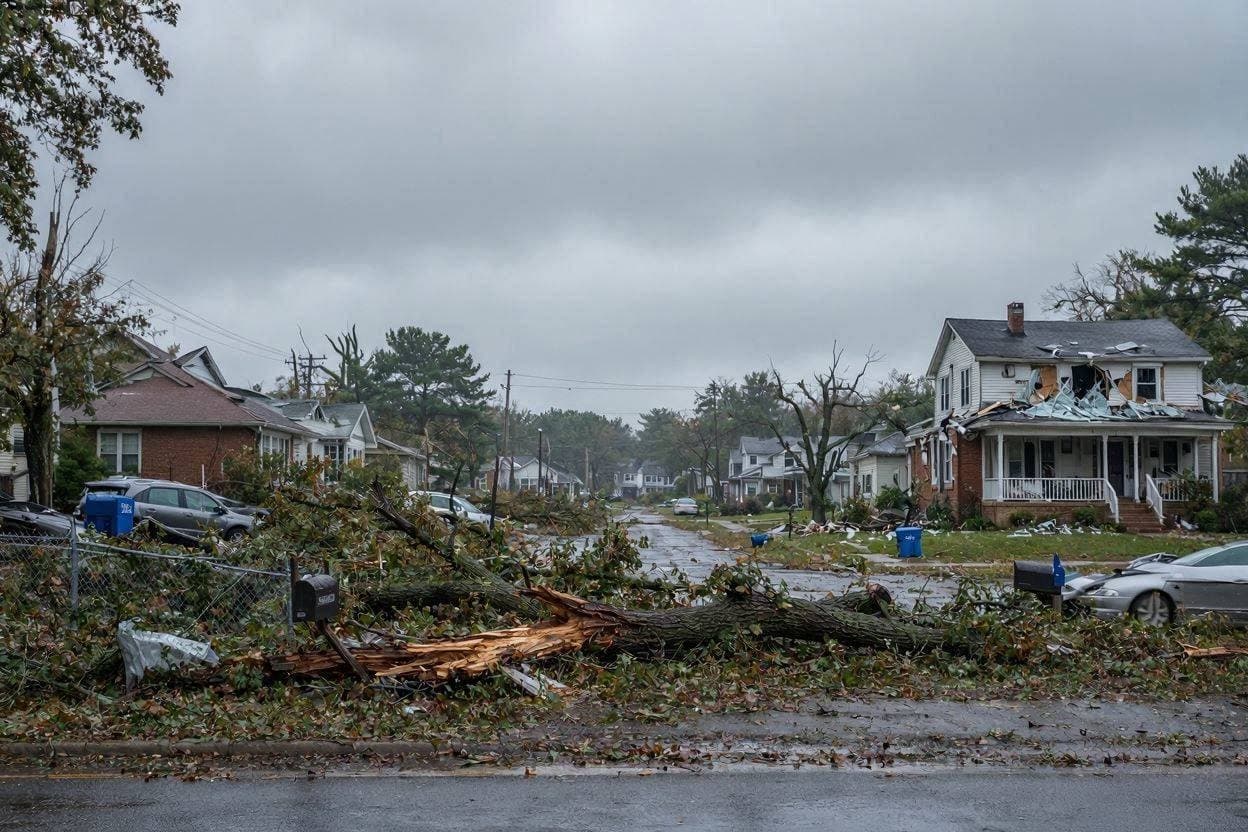
In the heart of Wisconsin’s Fox River Valley, where the rhythm of life is usually set by the gentle flow of water and the hum of industry, a violent force of nature has left an indelible mark. A powerful tornado tore through the region on July 27, 2026, uprooting trees, damaging homes, and disrupting the lives of thousands. In response, Governor Tony Evers declared a state of emergency, mobilizing resources to aid in the recovery. For residents waking up to debris-strewn streets and power outages, the event is a stark reminder of the unpredictability of weather and the resilience required to rebuild. It invites reflection on the strength of community in the face of sudden disaster.
The declaration underscores the severity of the damage and the need for coordinated support. It serves as a testament to the preparedness and responsiveness of local and state authorities.
Body: The tornado, part of a larger severe weather system that swept across the Upper Midwest, touched down in Appleton and carved a path of destruction through Menasha, Grand Chute, and surrounding areas. Wind speeds were estimated to be significant, causing roofs to be torn off buildings, snapping power lines, and scattering personal belongings across neighborhoods. The National Weather Service confirmed multiple tornadoes in the state that day, marking one of the most active periods for severe weather in 2026.
Local officials, including Menasha Mayor Austin Hammond, declared local states of disaster to expedite emergency response and access additional funding. Curfews were implemented in some areas to ensure public safety and allow crews to work without obstruction. Boil water orders were issued in affected zones due to potential contamination of water mains, adding another layer of challenge for displaced residents.
Thousands of households were left without electricity, with utility companies working around the clock to restore service. Crews faced difficult conditions, navigating fallen trees and damaged infrastructure to reach isolated areas. The community response was immediate, with neighbors checking on one another and local organizations opening shelters for those who lost their homes.
Schools and businesses closed temporarily, allowing families to assess damage and begin the cleanup process. The economic impact is expected to be substantial, particularly for small businesses that suffered structural damage or inventory loss. Insurance claims are already being filed, though the full extent of the financial burden will take time to determine.
Emergency management agencies coordinated with federal partners to provide assistance. The Federal Emergency Management Agency (FEMA) was notified, and preliminary assessments began to identify eligible areas for individual and public assistance grants. This support is crucial for long-term recovery and rebuilding efforts.
Volunteers played a vital role in the immediate aftermath, helping to clear debris and distribute supplies. Local churches and community centers became hubs of activity, offering food, water, and emotional support. The spirit of solidarity was evident in every act of kindness, from sharing generators to offering temporary housing.
As the skies cleared, the focus shifted to assessment and planning. Engineers inspected damaged structures to determine safety, while environmental teams addressed hazardous materials. The road to recovery is long, but the determination of the Fox Valley communities is unwavering.
The event also sparked conversations about climate change and severe weather preparedness. While no single storm can be attributed solely to global warming, the frequency and intensity of such events are raising awareness. Communities are reviewing building codes and emergency plans to better withstand future threats.
Closing: The state of emergency declared in Wisconsin’s Fox River Valley highlights the devastating impact of the recent tornado. It invites continued support for recovery efforts and a renewed commitment to disaster preparedness.
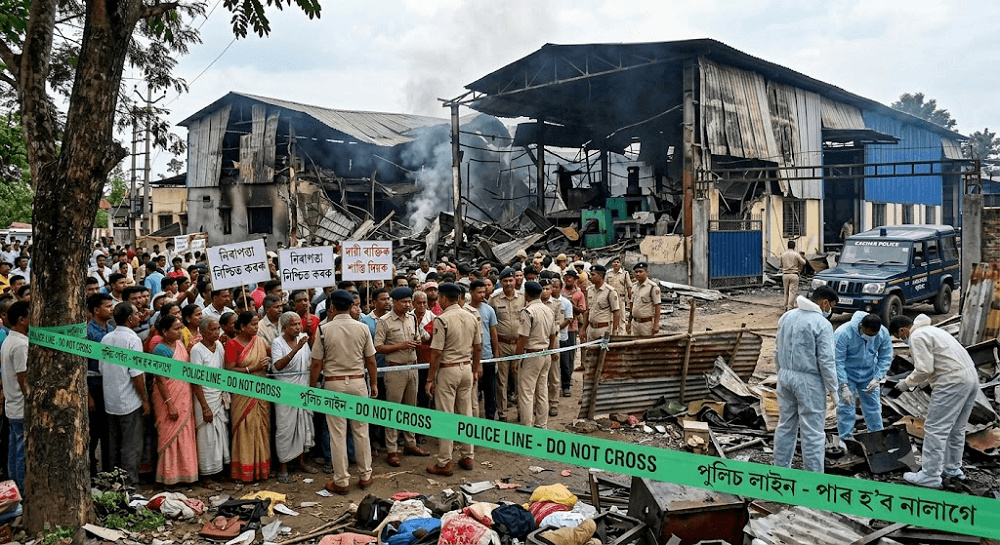
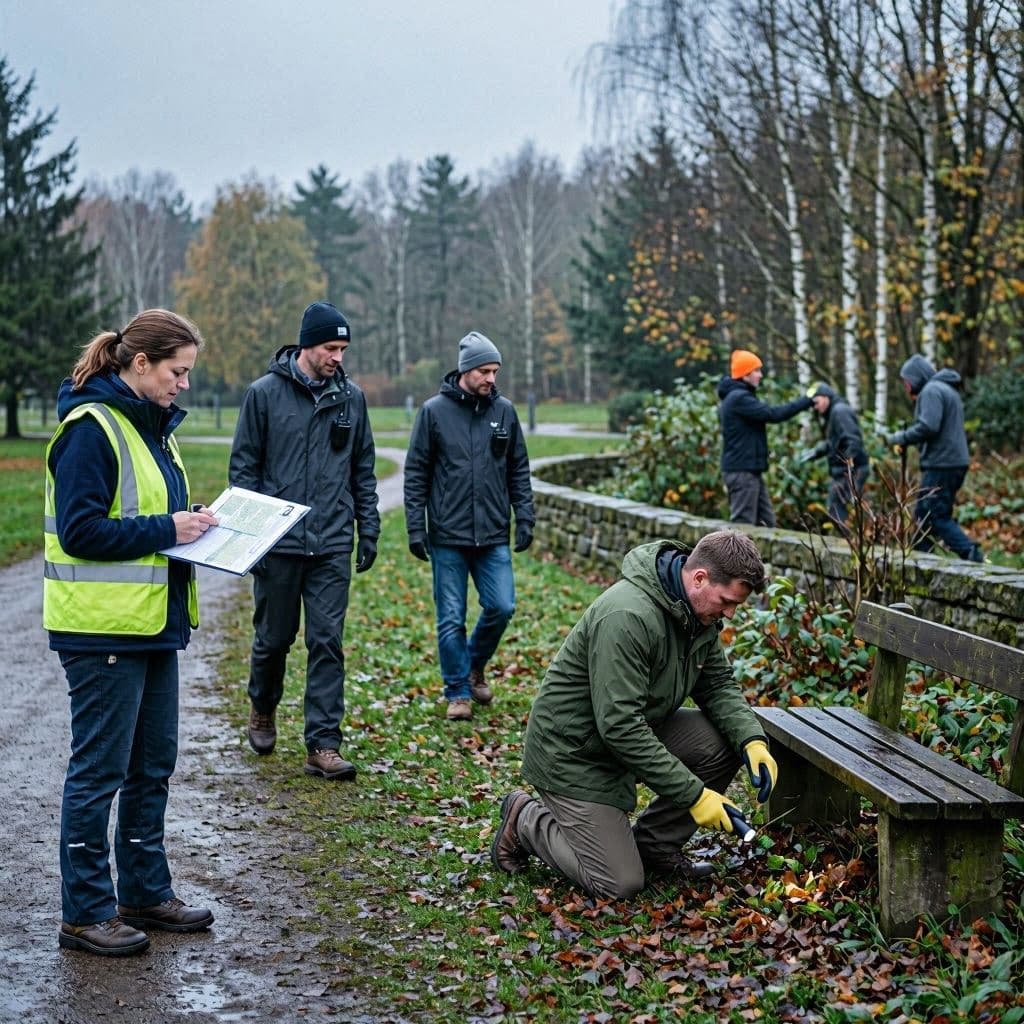
AI Image Disclaimer: The visuals accompanying this article are AI-generated illustrations designed to reflect the themes of natural disaster response and community resilience.
Sources: WBAY WMTV 15 News KARE 11 The Post-Crescent
Note: This article was published on BanxChange.com and is powered by the BXE Token on the XRP Ledger. For the latest articles and news, please visit BanxChange.com