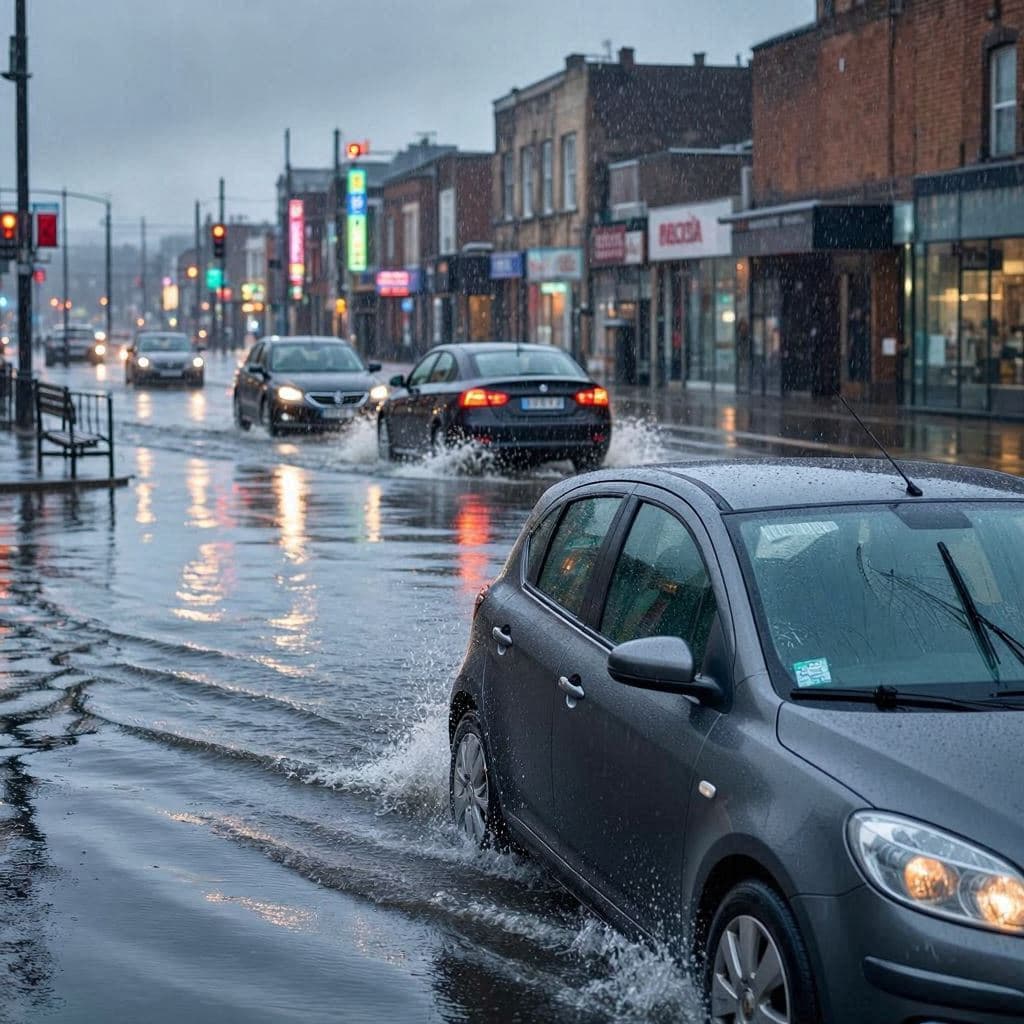
In North Bay, a city nestled among lakes and hills, the sky opened up on Monday with a ferocity that transformed familiar streets into rushing creeks. The intense rainstorm overwhelmed drainage systems, turning urban landscapes into temporary waterways. For residents, the scene was both surreal and disruptive, highlighting the vulnerability of infrastructure to extreme weather. It served as a vivid reminder of the changing climate and the need for adaptive urban planning.
The event, while short-lived, caused significant inconvenience and raised questions about preparedness. As the waters receded, the community began the process of cleanup and reflection, united by the shared experience of the deluge.
Body: The rainfall was exceptionally heavy, dumping inches of water in a matter of hours. Municipal drains, designed for average precipitation, struggled to cope with the volume. Water pooled in low-lying areas, blocking roads and forcing drivers to seek alternative routes. Some basements flooded, causing property damage and stress for homeowners.
Emergency services responded to numerous calls for assistance, helping stranded motorists and pumping out water from affected properties. Firefighters and public works crews worked side by side, demonstrating the coordinated effort required to manage such emergencies. Their dedication ensured that no serious injuries were reported despite the chaotic conditions.
Local officials acknowledged the severity of the storm and apologized for the disruptions. They stated that maintenance teams are assessing the damage to infrastructure and identifying areas that need improvement. Upgrading drainage systems is a complex and costly endeavor, but the event has underscored its urgency.
Climate change is increasingly linked to the frequency and intensity of such storms. Meteorologists note that warmer air holds more moisture, leading to heavier downpours. For cities like North Bay, this means adapting infrastructure to handle higher volumes of water more frequently.
Residents took to social media to share videos of the "street creeks," capturing the dramatic transformation of their neighborhoods. While some found humor in the situation, others expressed frustration over repeated flooding issues. The online discourse highlighted a desire for long-term solutions rather than temporary fixes.
Businesses in the downtown area reported losses due to reduced foot traffic and water damage. Cleaning up mud and debris became a communal activity, with neighbors helping each other restore their premises. This spirit of mutual aid is a hallmark of the North Bay community.
The city has announced a review of its stormwater management plan. Experts will be consulted to recommend upgrades that can better withstand future extreme weather events. Investment in green infrastructure, such as permeable pavements and rain gardens, is being considered as part of the solution.
As life returns to normal, the memory of the rainstorm lingers. It serves as a catalyst for change, prompting discussions about sustainability and resilience. The community is ready to learn from the experience and build a stronger future.
Closing: The transformation of North Bay streets into creeks during Monday’s rainstorm highlights the challenges of extreme weather. It invites a proactive approach to urban infrastructure and community preparedness.
AI Image Disclaimer: The visuals in this article are AI-generated illustrations designed to reflect the impact of heavy rainfall on urban environments.
Sources: CTV News Northern Ontario CBC News North BayToday
Note: This article was published on BanxChange.com and is powered by the BXE Token on the XRP Ledger. For the latest articles and news, please visit BanxChange.com