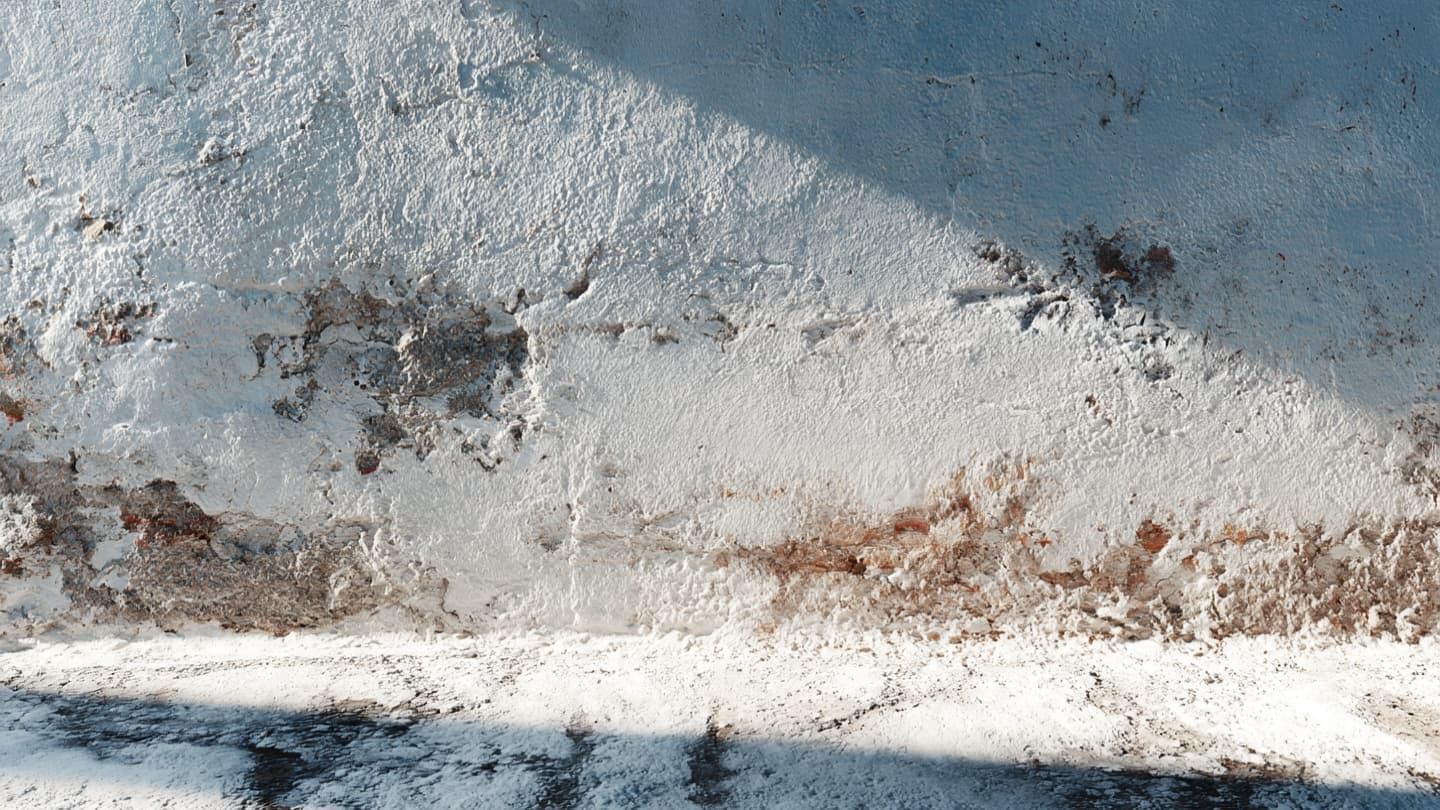
There is a peculiar tension that arises when the quiet order of a small village like Mauren is suddenly broken by the intrusion of uninvited markings. The walls of a building, usually a neutral backdrop to the daily lives of residents, become the canvas for an act of expression that is as fleeting as it is jarring. The recent wave of graffiti—the spray-painted signatures and chaotic lines that have appeared across multiple properties—has prompted an investigation, turning a moment of vandalism into a subject of collective scrutiny.
For the homeowners who wake up to find their fences or facades defaced, the damage is not merely aesthetic. It is a subtle violation of the boundary between the private sanctuary and the public sphere. These marks are a reminder that even in the most settled of places, the peace can be punctured by the whims of those who choose to assert their presence through the destruction of another’s property. The investigation, now active, is a methodical attempt to reclaim that sense of order.
The police, in their search for the individuals responsible, are looking for more than just the paint and the cans. They are searching for the motive, the intent behind the disruption, and the pattern of the spree. Each tagged surface is a piece of evidence, a trail that leads back through the quiet streets of the village. It is a slow, tedious process, one that requires the patience of the investigator and the cooperation of a community that is eager to see its surroundings returned to their original, unmarred state.
Graffiti exists in a complex space between art and offense, yet in the context of residential vandalism, the distinction is clear. When a property is targeted without consent, the act ceases to be a dialogue and becomes a unilateral assertion of disrespect. It is this element of the act—the disregard for the effort, the investment, and the pride that people take in their homes—that makes the investigation a matter of community concern rather than a simple bureaucratic formality.
As the authorities review surveillance footage and gather accounts from witnesses, the investigation highlights the value of the village’s collective vigilance. People are watching, not with a sense of malice, but with a desire to protect the integrity of their shared spaces. The marks on the walls are a call to awareness, prompting the residents of Mauren to look more closely at the movements through their streets during the quiet hours of the night.
The repair of such damage is often as exhausting as the search for its cause. It requires the removal of the paint, the scrubbing of the stone, and the restoration of surfaces that were never meant to be a medium for such messages. For the homeowners, it is a task of labor and cost, a necessary effort to restore the quiet dignity of their property. It is a process of healing that mirrors the investigation itself—a return to a state of calm.
As the inquiry continues, the village remains a space of observation. The investigators move through the streets with a measured focus, gathering the fragments of information that will eventually bring the matter to a close. There is no urgency of disaster here, only the steady, persistent work of the law aiming to restore the social balance.
In the end, the marks on the walls of Mauren will be erased, and the village will return to its familiar, tranquil state. Yet, the investigation serves as a reminder that the environment we share is a fragile thing, constructed not just of wood and stone, but of the mutual respect we afford one another. When that respect is breached, it falls to the community and the law to bridge the gap, ensuring that the quiet order of our lives is protected from the fleeting, disruptive impulses of the outside.
Published by Banx Network. This article is part of the Banx decentralized media programme, powered by the BXE token on the XRP Ledger.