
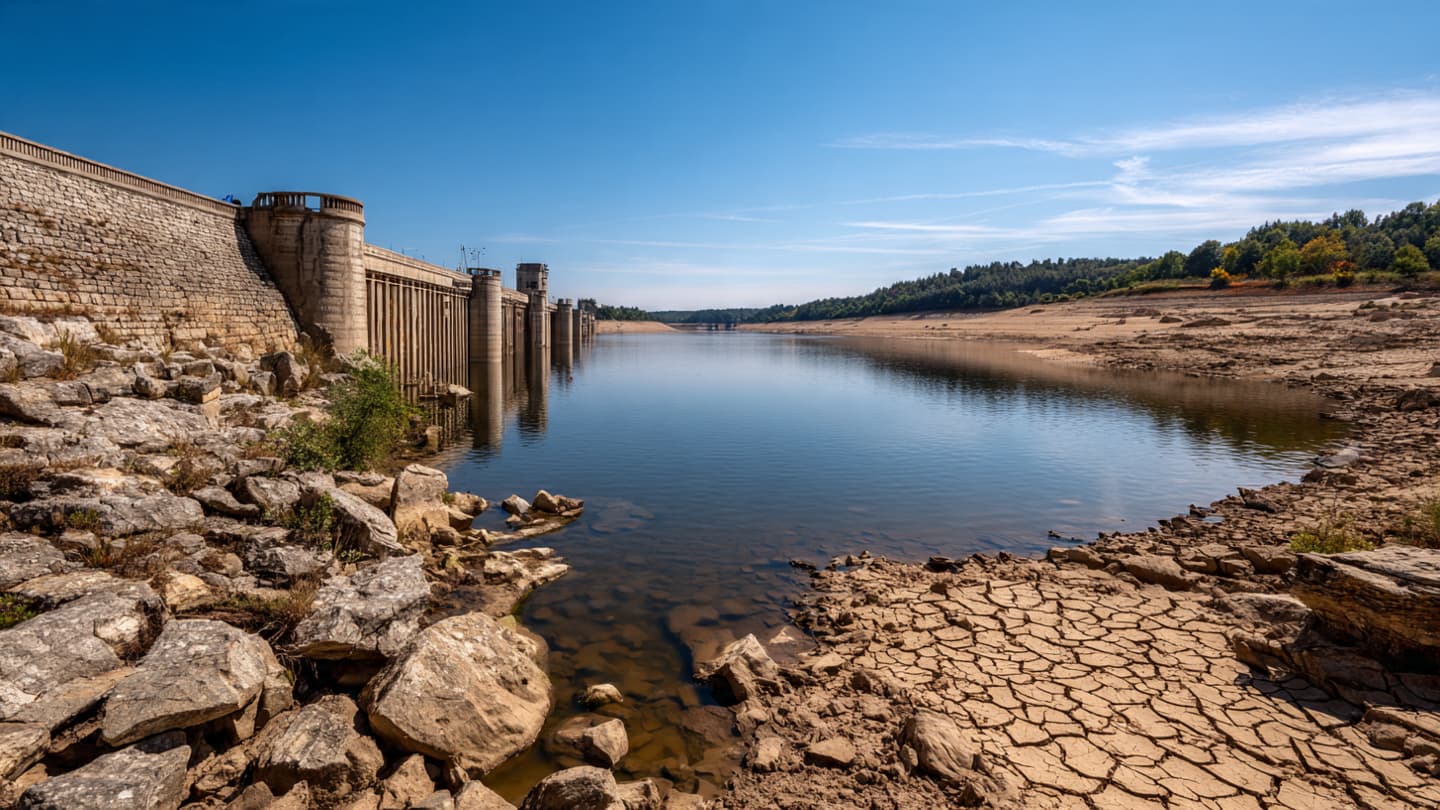
There are resources so fundamental to daily life that they often go unnoticed until they become less abundant. Water is one of them. Across France, as temperatures continue to remain unusually high and rainfall remains limited in several areas, authorities have introduced expanded restrictions designed to protect water supplies during a challenging summer season.
The measures come as reservoirs, rivers, and groundwater systems experience growing pressure from persistent heat. While France possesses extensive water resources, prolonged periods of elevated temperatures can alter the balance between supply and demand. Evaporation increases, soil moisture declines, and natural replenishment becomes more difficult when rainfall is scarce.
Local governments have responded by implementing restrictions that vary depending on regional conditions. In some areas, limits have been placed on garden irrigation, vehicle washing, and non-essential water use. The objective is not only to conserve existing supplies but also to ensure that critical needs can continue to be met if dry conditions persist.
For many residents, the restrictions serve as a visible reminder of how weather influences everyday life. Activities that might normally seem routine become part of a larger effort to manage resources responsibly. Public information campaigns have encouraged households and businesses to adopt conservation practices wherever possible.
Agricultural communities are among those monitoring developments most closely. Farming operations often depend on reliable access to water, particularly during summer months. Authorities continue working with agricultural stakeholders to balance environmental protection with the needs of food production and rural economies.
Environmental experts note that water management has become an increasingly important issue across Europe. Rising temperatures and changing precipitation patterns are influencing how governments approach long-term planning. Investments in infrastructure, conservation programs, and efficiency improvements are becoming more central to discussions about climate resilience.
The impact extends beyond agriculture. Tourism, industry, and local ecosystems all depend on stable water conditions. Rivers support biodiversity, reservoirs provide drinking water, and wetlands contribute to environmental balance. Protecting these resources often requires difficult decisions during periods of prolonged heat.
Scientists emphasize that water restrictions are generally precautionary measures intended to reduce future risks. Acting early can help prevent more severe shortages later in the season. This proactive approach reflects lessons learned from previous droughts and heatwaves that affected parts of Europe.
Communities across France have largely responded with cooperation and awareness. Many residents understand that conservation efforts today can contribute to greater stability in the weeks and months ahead. Small adjustments made collectively often have a meaningful impact on overall consumption.
As weather forecasts continue to be monitored closely, authorities remain hopeful that changing conditions may eventually ease pressure on water systems. Until then, the current restrictions stand as a reminder that even in a modern society, natural resources remain closely connected to the rhythms of weather and climate.
AI IMAGE DISCLAIMER:
Graphics are AI-generated and intended for representation, not reality.
SOURCES:
Reuters Le Monde France 24 Associated Press The Guardian
Note: This article was published on BanxChange.com and is powered by the BXE Token on the XRP Ledger. For the latest articles and news, please visit BanxChange.com