
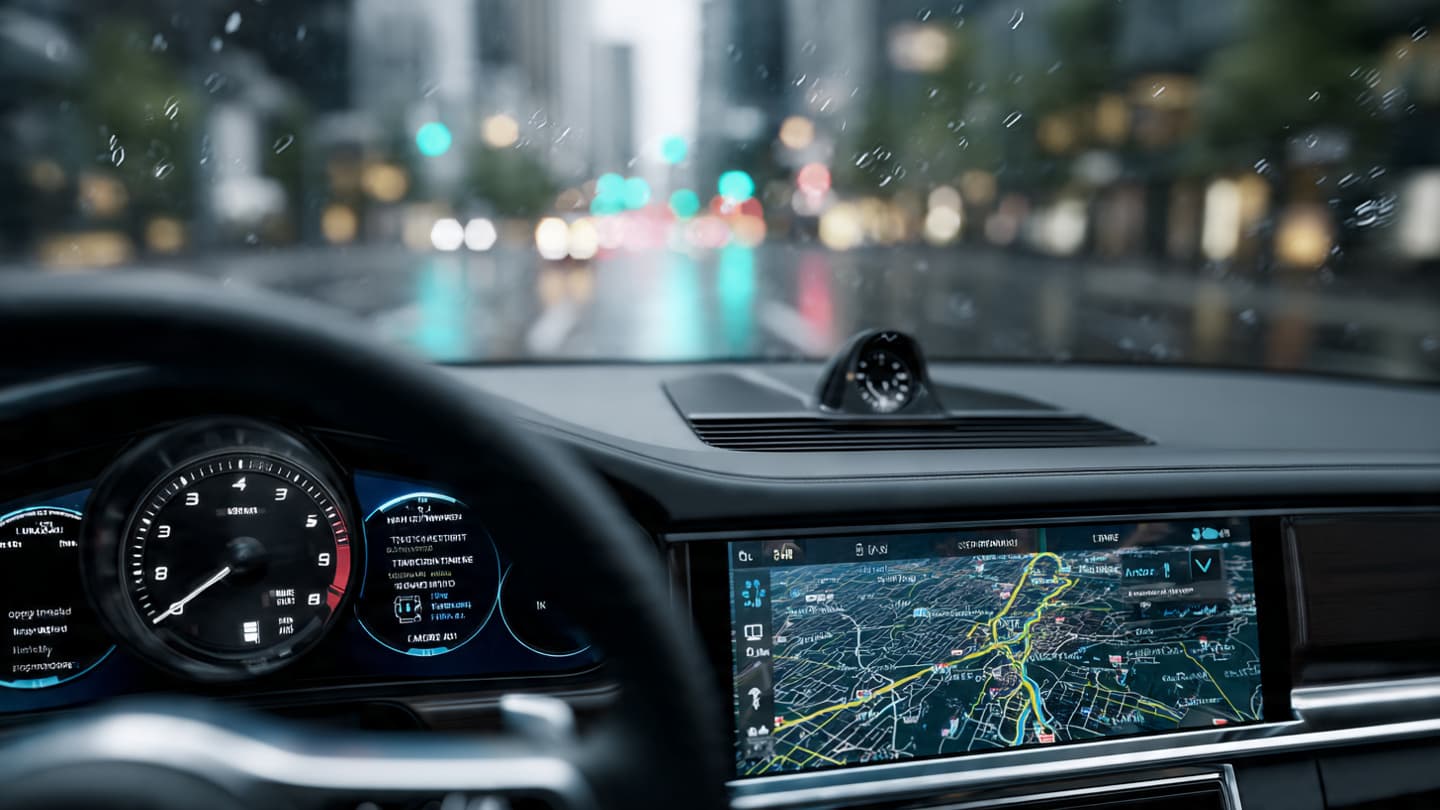
Driving has long been a human experience shaped by attention, instinct, and environment. With the latest evolution of Android Auto, that experience is gradually shifting toward a more intelligent partnership between driver and system.
The upgraded Android Auto system introduces deeper AI integration, allowing vehicles to respond more intelligently to driver behavior, traffic conditions, and contextual needs.
Navigation becomes more adaptive, with route suggestions adjusting dynamically based on real-time conditions, weather patterns, and predicted congestion.
Voice interaction systems are also enhanced, enabling more natural conversations between driver and system without requiring structured commands.
Beyond navigation, the system expands into predictive assistance, offering reminders, hazard alerts, and context-aware recommendations during travel.
Automakers and technology companies are increasingly collaborating to ensure that these systems remain safe, reliable, and consistent across different vehicle platforms.
At the same time, discussions continue around data privacy and driver autonomy, especially as vehicles become more connected and responsive.
As Android Auto continues to evolve, it reflects a broader transformation in mobility—where driving is no longer just mechanical motion, but an intelligent, adaptive experience.
AI Image Disclaimer: Images referenced in this article are AI-generated visualizations used for conceptual storytelling only.
Sources (media names only): Google, Reuters Technology, The Verge, Automotive News
Note: This article was published on BanxChange.com and is powered by the BXE Token on the XRP Ledger. For the latest articles and news, please visit BanxChange.com