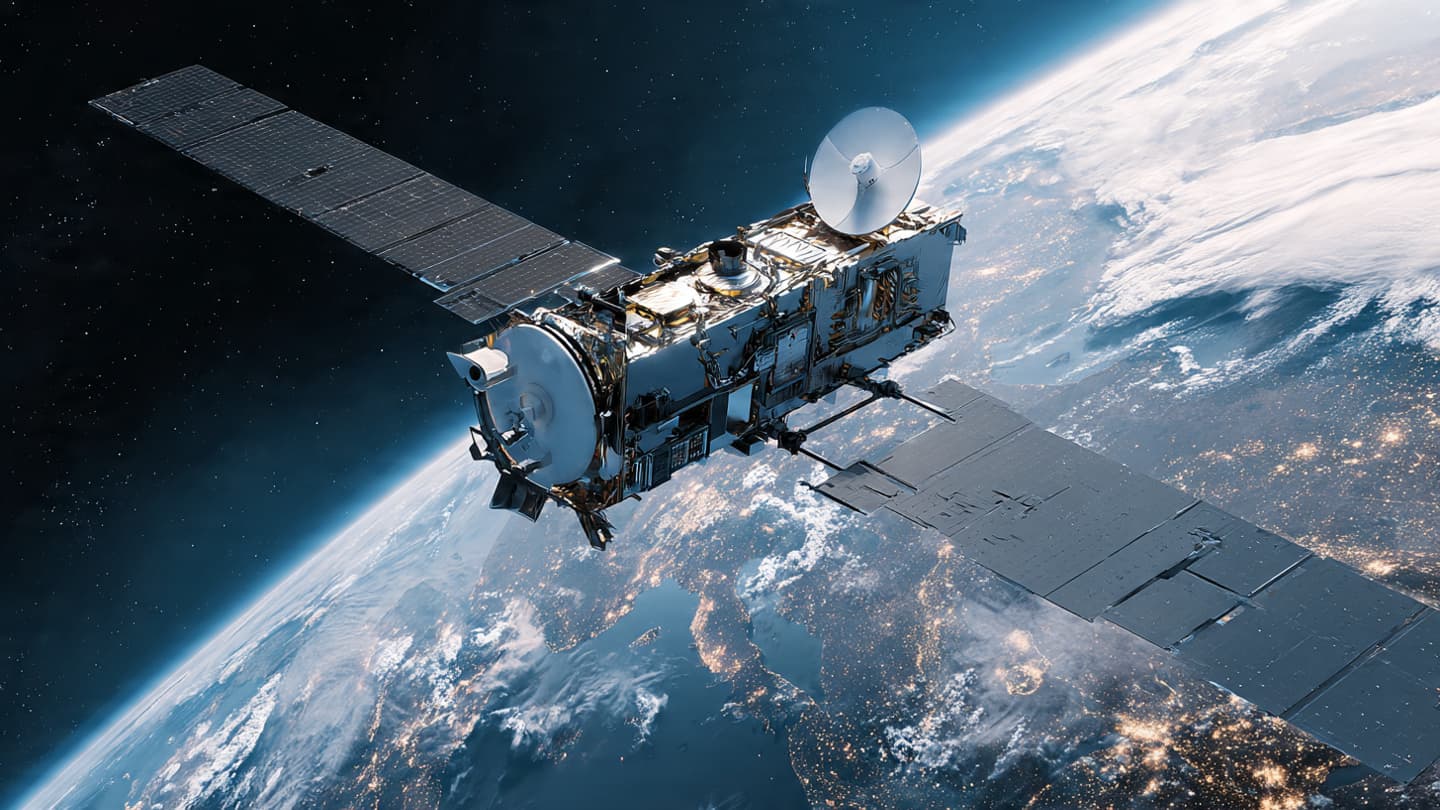
For decades, satellites have served as silent messengers circling above Earth, gathering information and transmitting signals across continents. Now, a new idea is gaining momentum: rather than sending all data back to Earth for processing, future spacecraft may increasingly analyze information directly in orbit. SpaceX’s reported plans to test artificial intelligence computing systems in space highlight this emerging frontier.
The concept of orbital AI computing centers on performing complex calculations aboard satellites and spacecraft. Instead of transmitting massive volumes of raw data, systems can process information in space and send only the most relevant results back to ground stations.
Supporters believe this approach could improve efficiency and reduce communication delays. Applications range from Earth observation and weather monitoring to scientific research and autonomous spacecraft operations.
As satellite constellations continue to grow, managing large amounts of data has become an increasingly important challenge. Modern sensors generate enormous datasets that require significant computing resources for analysis and interpretation.
Artificial intelligence technologies are particularly suited to tasks involving image recognition, anomaly detection, and pattern analysis. Performing these operations in orbit could enable faster responses to environmental events, natural disasters, and changing conditions on Earth.
Space agencies and private companies alike are exploring ways to integrate advanced computing capabilities into future missions. The trend reflects broader developments in both artificial intelligence and aerospace engineering.
Technical challenges remain. Space environments expose electronic systems to radiation, temperature extremes, and operational constraints that differ significantly from those encountered on Earth. Engineers must therefore ensure reliability and resilience under demanding conditions.
Industry observers view orbital computing as part of a larger transformation in space technology. Satellites are evolving from relatively simple communication tools into increasingly sophisticated platforms capable of performing complex tasks independently.
If successful, the planned tests could help demonstrate how artificial intelligence may contribute to future space operations. As computing power extends beyond Earth's surface, the boundary between digital innovation and space exploration continues to grow increasingly interconnected.
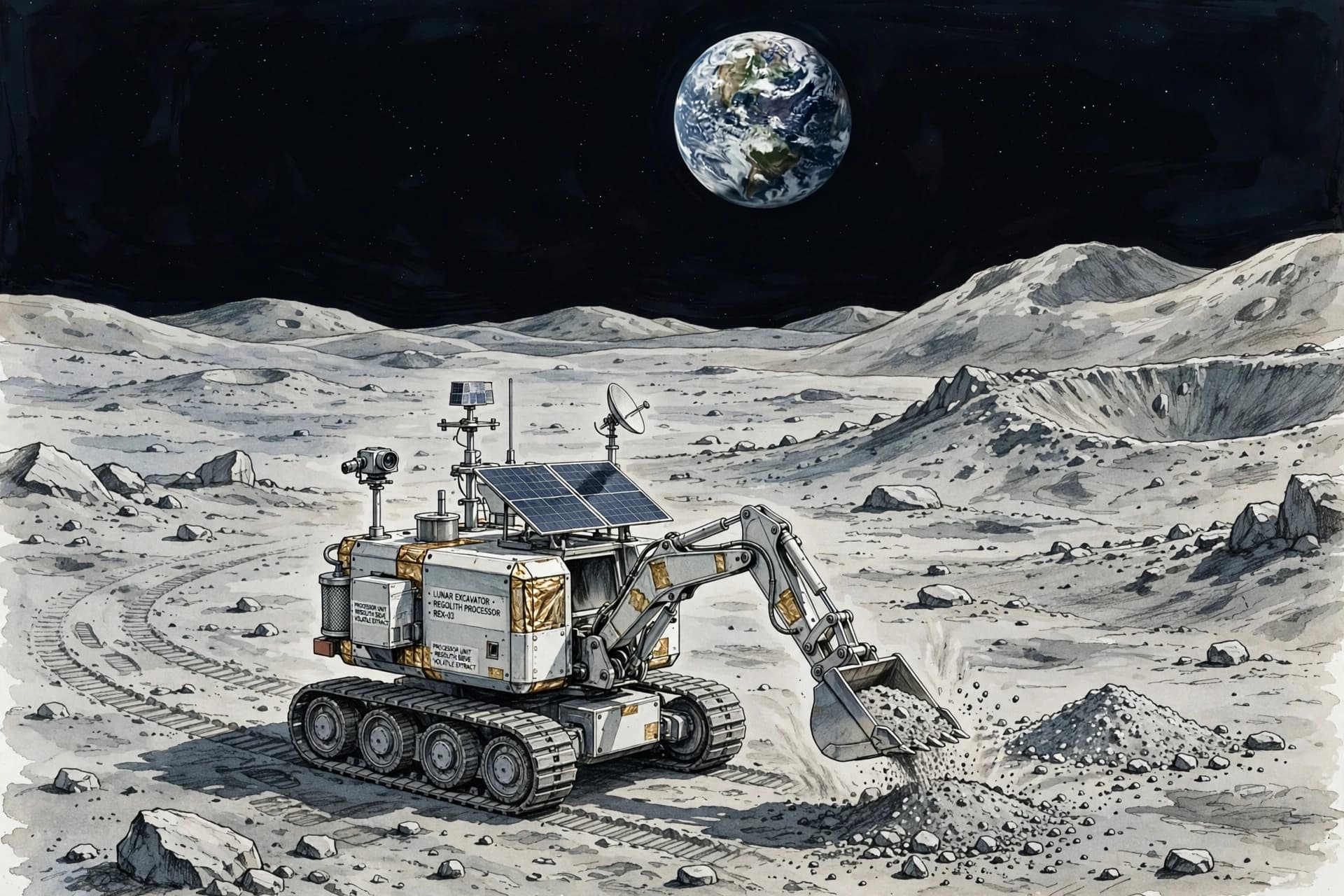
AI Image Disclaimer: Images used in this article are AI-generated visual interpretations created for illustrative purposes.
Source Verification Check: Reuters, SpaceNews, Ars Technica, NASA Technology Reports
Published by Banx Network. This article is part of the Banx decentralized media programme, powered by the BXE token on the XRP Ledger.