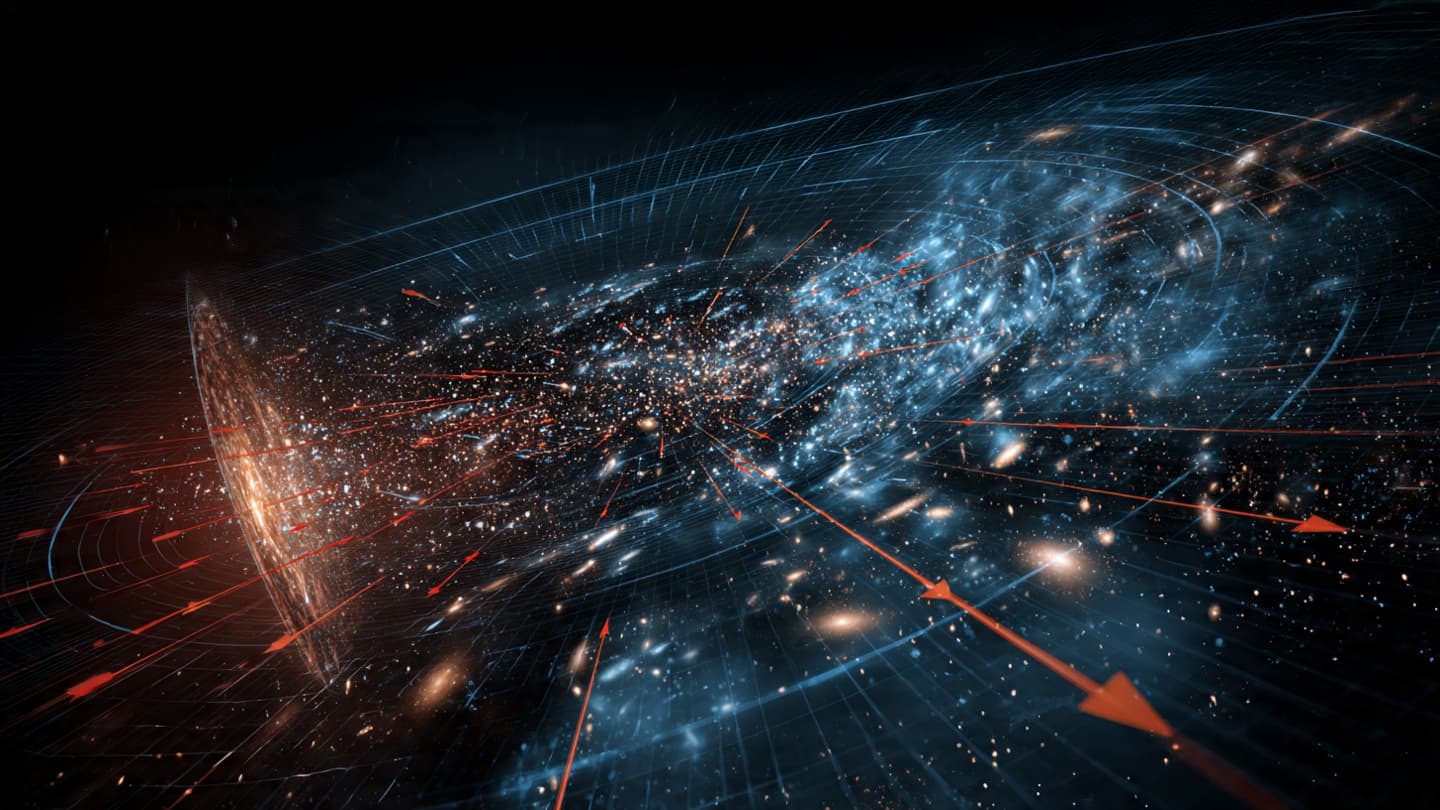
For centuries, humanity viewed the universe as something largely fixed and unchanging. That perception gradually faded as astronomers discovered that space itself is expanding. Today, one of the most intriguing questions in cosmology concerns not whether the universe is growing, but how quickly that growth is occurring. Recent research has added fresh evidence to an already fascinating puzzle.
Scientists report findings that support the idea that the universe's expansion continues at a faster pace than many traditional models predicted. The results contribute to ongoing efforts to understand one of modern astronomy's most persistent mysteries.
The phenomenon is closely connected to what researchers call dark energy, a still poorly understood force believed to drive the accelerating expansion of space. Although dark energy appears to dominate the cosmos, its true nature remains unknown.
Astronomers measure cosmic expansion through several independent techniques. These include observations of distant supernovae, galaxy distributions, and subtle features embedded in ancient light left over from the early universe.
Over time, different measurement methods have produced values that do not always align perfectly. This discrepancy, often referred to as the "Hubble tension," has become one of the most discussed topics in cosmology.
The latest study strengthens evidence that the mismatch may reflect something more significant than simple measurement uncertainty. Some researchers suggest that new physics could eventually be required to explain the observations.
At the same time, scientists remain cautious. Extraordinary conclusions require extensive verification, and competing explanations continue to be examined through additional observations and theoretical work.
The question matters because cosmic expansion influences nearly every aspect of the universe's long-term evolution. Understanding the process could help reveal how galaxies form, how structures grow, and what the distant future may hold.
As astronomers gather more data from advanced observatories, the mystery remains open. Each new observation brings science closer to understanding whether the universe is behaving exactly as expected—or quietly revealing something entirely new.
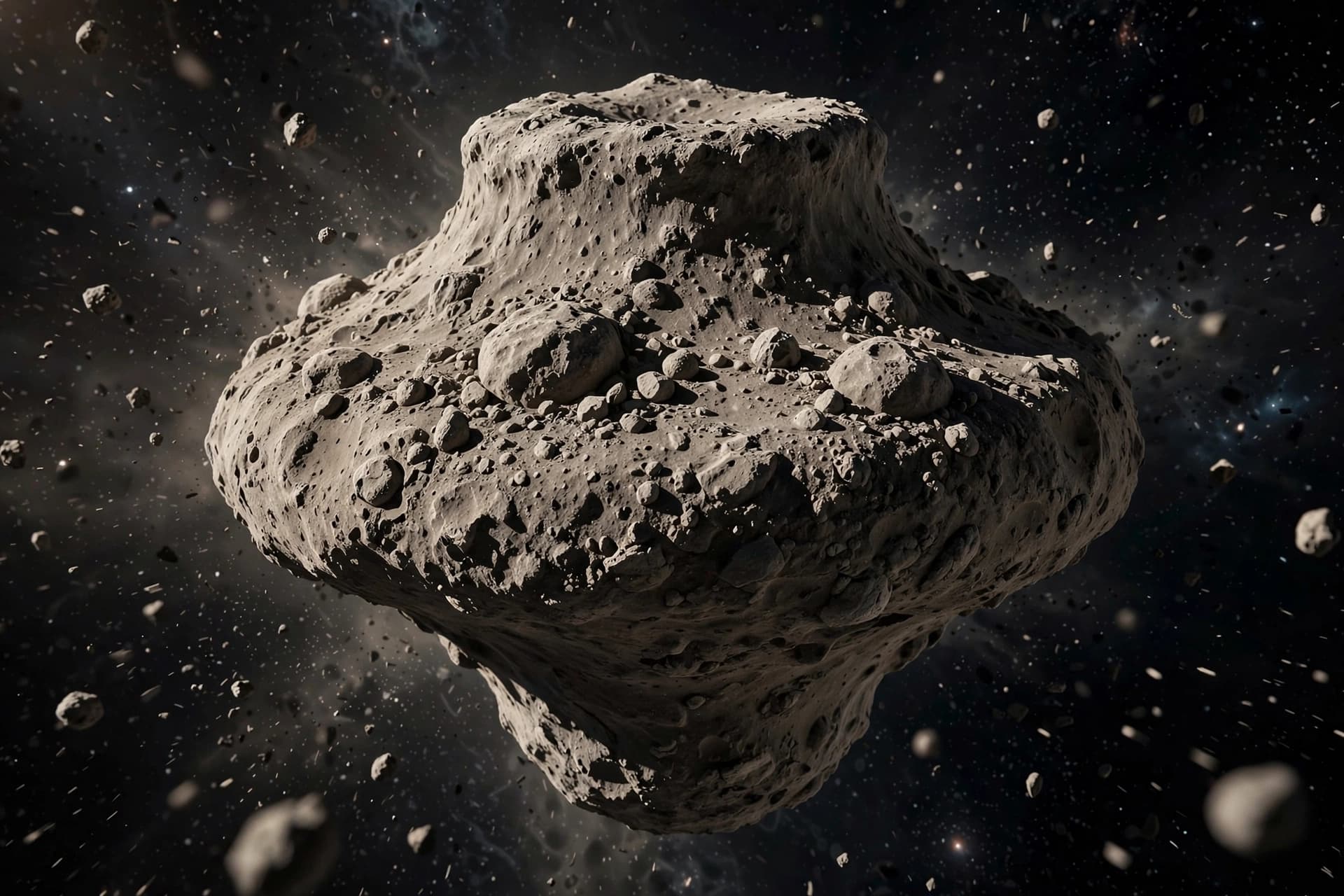
AI Image Disclaimer: The visual illustrations associated with this article are AI-generated representations based on scientific concepts and are not direct observational imagery.
Source Verification Check: Royal Astronomical Society, cosmology researchers, EarthSky, astronomy institutions
Published by Banx Network. This article is part of the Banx decentralized media programme, powered by the BXE token on the XRP Ledger.