
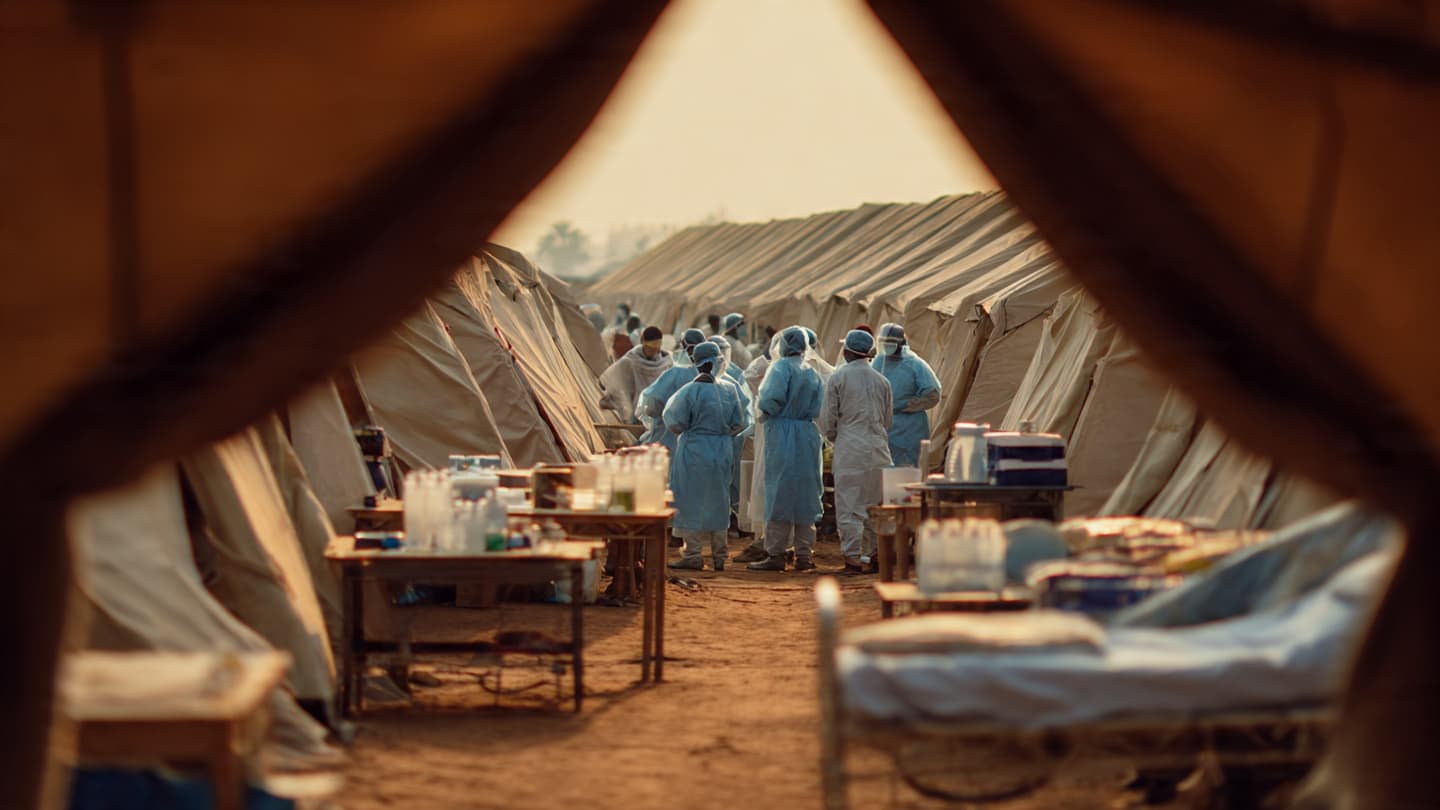
In many parts of the world, access to clean water is so familiar that it often fades into the background of daily life. Yet in places marked by displacement, conflict, and fragile infrastructure, water can become both a necessity and a source of profound vulnerability. South Sudan is currently confronting that difficult reality as a worsening cholera outbreak continues to challenge public health authorities.
Health officials in South Sudan have reported a sustained rise in cholera cases across several regions, prompting renewed efforts to strengthen disease surveillance and expand emergency response measures. International humanitarian organizations are also increasing assistance as the outbreak affects communities already facing multiple hardships.
Cholera is an acute diarrheal disease caused by contaminated food or water. Although preventable and treatable, it can spread rapidly where sanitation systems are limited and access to safe drinking water remains inconsistent. Children, older adults, and displaced populations are often among the most vulnerable.
The World Health Organization and humanitarian partners have deployed medical supplies, oral rehydration treatments, and technical support to affected areas. Emergency teams are also working to improve case detection and establish treatment centers in regions experiencing the highest numbers of infections.
Public health campaigns have become a central part of the response. Community workers are educating residents about hand hygiene, water purification, and the importance of seeking treatment early when symptoms appear. Such efforts are particularly important in remote areas where healthcare facilities may be difficult to reach.
Seasonal rains have complicated response operations in some regions. Flooded roads and limited transportation infrastructure have slowed the delivery of medical supplies, while population displacement continues to increase the risk of disease transmission.
Humanitarian agencies note that South Sudan's healthcare system has faced significant pressure for years due to recurring conflict, climate-related challenges, and limited resources. These conditions have made sustained outbreak control especially demanding.
Despite these challenges, health workers and aid organizations continue to expand vaccination campaigns and improve access to treatment. Officials remain hopeful that coordinated interventions can reduce transmission and prevent additional loss of life.
Authorities continue to urge communities to follow public health guidance, emphasizing that early treatment and improved sanitation remain essential to containing the outbreak.
AI Image Disclaimer: Visual illustrations accompanying this report are AI-generated and intended solely to provide contextual representation.
Sources Verified: World Health Organization, ReliefWeb, UNICEF, Reuters
Note: This article was published on BanxChange.com and is powered by the BXE Token on the XRP Ledger. For the latest articles and news, please visit BanxChange.com