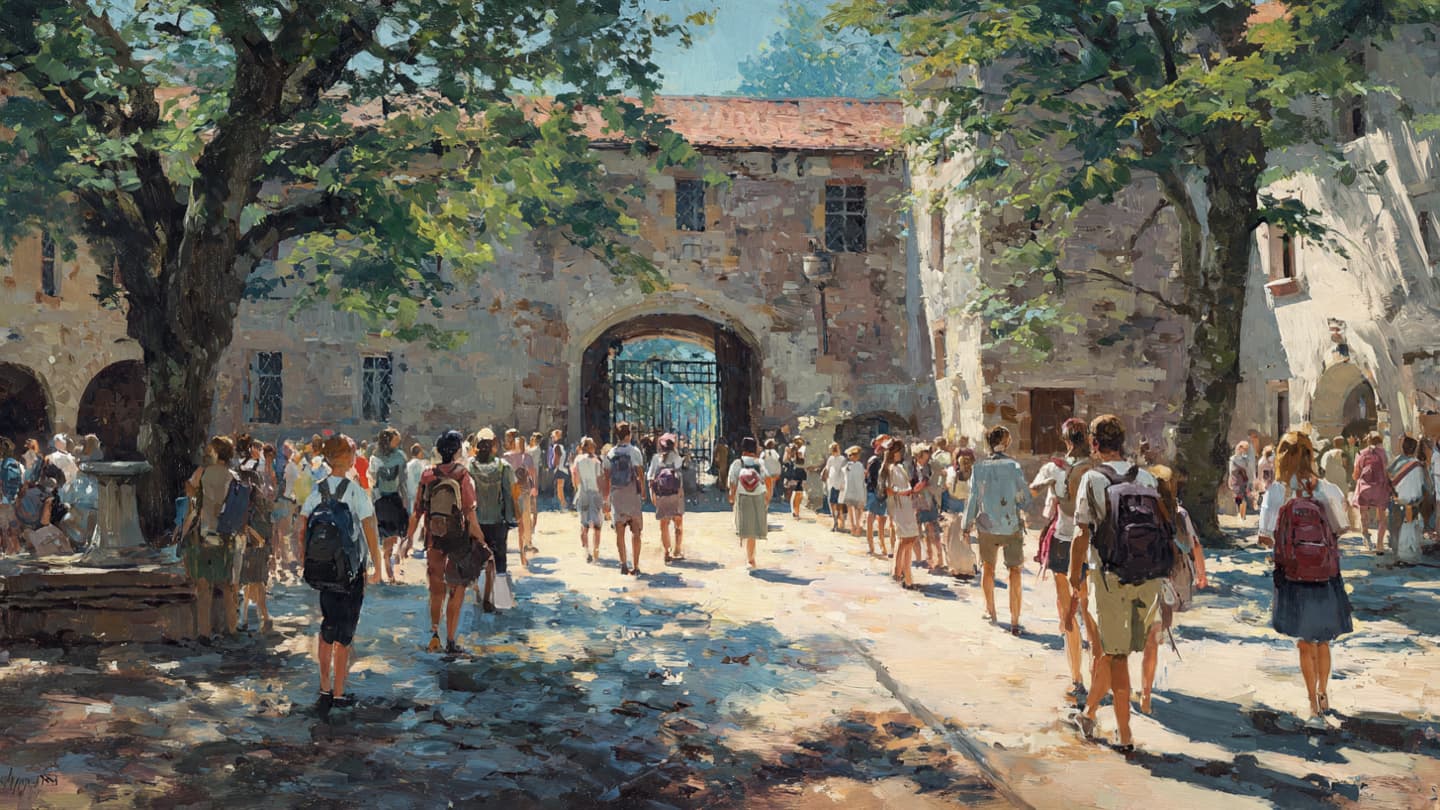
There is a certain rhythm to a school day. Morning arrivals, the sound of conversations filling hallways, lessons unfolding from one classroom to another, and the steady pace of learning that carries students toward the afternoon. Across France, however, that familiar rhythm has been interrupted by an unexpected force. As temperatures surged to extraordinary levels during one of the country’s most severe June heatwaves, thousands of schools found themselves adjusting schedules, reducing hours, or temporarily closing their doors in the interest of safety.
The decision did not come lightly. Schools occupy a unique place within communities, serving not only as centers of education but also as spaces of stability and routine. Yet when classrooms become uncomfortably hot and playgrounds resemble open-air furnaces, administrators must weigh educational continuity against the well-being of students and staff. For many institutions, the balance clearly favored caution.
Reports from across the country indicated that more than 1,800 schools implemented some form of operational adjustment. Some shortened the school day, allowing students to leave before temperatures reached their peak. Others suspended classes entirely for a limited period, particularly in regions where heat levels exceeded seasonal expectations by a considerable margin. The measures reflected the growing challenge of managing educational environments during periods of extreme weather.
For students, the changes introduced an unusual interruption to the academic calendar. Classrooms designed for traditional weather conditions struggled to maintain comfortable temperatures. Teachers adapted lesson plans, reduced physical activities, and focused on keeping students hydrated and safe. In many cases, educational goals temporarily shared space with the more immediate concern of protecting health.
Parents also found themselves navigating unexpected adjustments. Families reorganized work schedules, childcare arrangements, and transportation plans as schools announced closures or revised timetables. While many expressed understanding regarding the decisions, the situation highlighted how weather-related disruptions can ripple through communities, affecting daily routines far beyond school grounds.
Educational authorities emphasized that the actions were preventative rather than reactive. Public health experts have consistently warned that children are among the groups most susceptible to the effects of extreme heat. Prolonged exposure can lead to dehydration, fatigue, and other health complications, particularly in buildings lacking advanced cooling systems. By reducing exposure during the hottest periods, schools sought to minimize these risks before they became emergencies.
The heatwave has also prompted broader discussions about the future of educational infrastructure. Many school buildings were constructed for climates that historically experienced milder summers. As temperatures continue to rise across Europe, questions are emerging about ventilation systems, building design, shaded outdoor areas, and long-term adaptation strategies capable of supporting future generations of students.
Climate researchers note that such conversations are becoming increasingly relevant. Extreme weather events that were once considered rare are occurring with greater frequency, requiring institutions to reconsider long-standing assumptions about environmental conditions. Schools, like hospitals and transportation networks, are becoming part of a larger dialogue about resilience in a changing climate.
Despite the disruptions, educators across France have demonstrated flexibility and creativity. Digital resources, modified schedules, and alternative learning activities have helped maintain continuity wherever possible. These efforts reflect the dedication of teachers and administrators who continue to support students even when circumstances become challenging.
As temperatures remain under close observation, educational authorities continue to evaluate conditions on a regional basis. Whether classes return fully to normal in the coming days or further adjustments become necessary, the experience has underscored an important reality. In a season marked by extraordinary heat, the responsibility of education has extended beyond teaching lessons to safeguarding the well-being of those entrusted to learn them.
AI IMAGE DISCLAIMER:
Images in this article are AI-generated illustrations, meant for concept only.
SOURCES:
Reuters The Guardian Le Monde Associated Press France 24
Note: This article was published on BanxChange.com and is powered by the BXE Token on the XRP Ledger. For the latest articles and news, please visit BanxChange.com