In the aftermath of catastrophe, time seems to stretch and compress simultaneously. For the people of Venezuela, one month has passed since twin earthquakes shattered the ground beneath them, leaving behind a landscape of rubble and uncertainty. In the cities of Gran Caracas and La Guaira, the initial shock has given way to a grinding reality where basic services are scarce, and shelter is a luxury few can afford. It is a story of resilience in the face of overwhelming loss, where the human spirit persists despite the absence of fundamental comforts.
This crisis is not just a geological event but a humanitarian challenge that tests the limits of community and aid. As the dust settles, the focus shifts to the daily struggle for water, food, and safety, reminding us of the fragility of infrastructure and the enduring strength of those who call this place home.
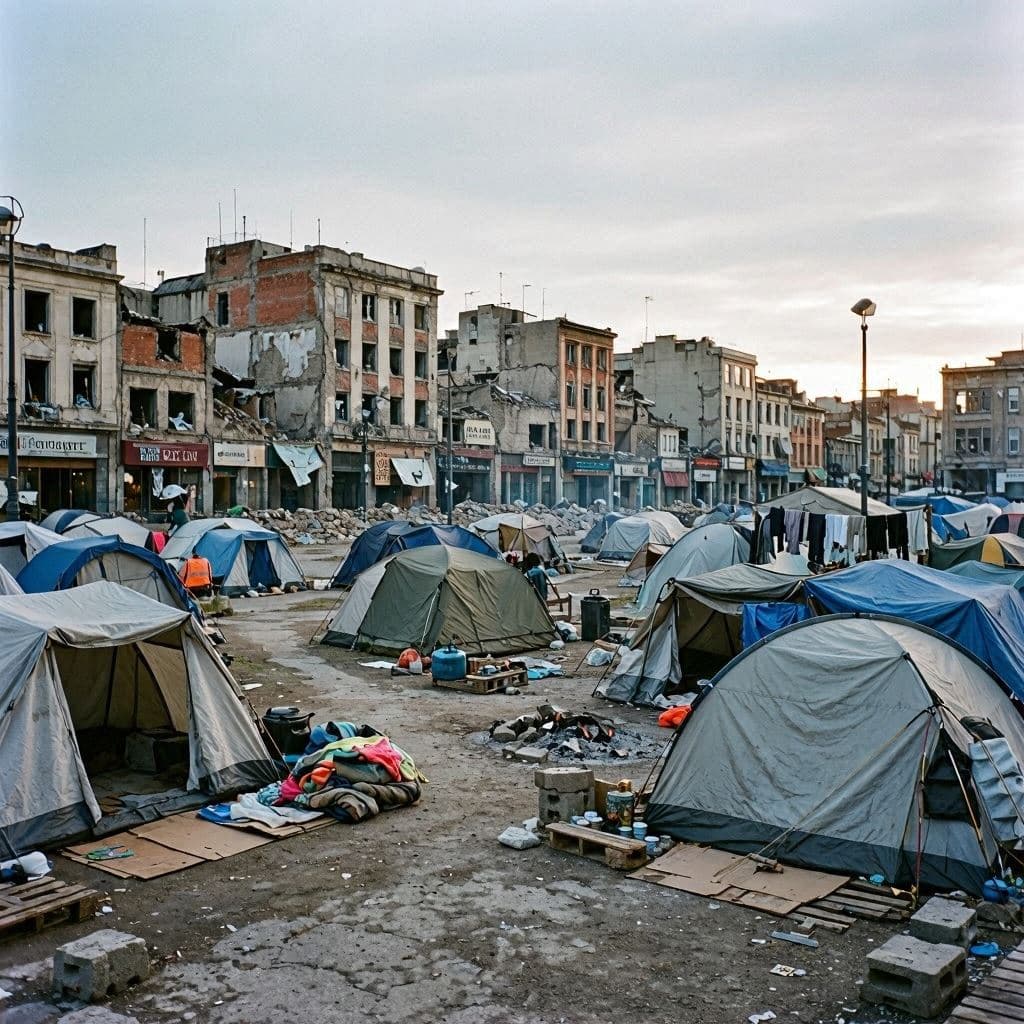
Body: Since the devastating 7.2 and 7.5 magnitude earthquakes struck on June 24, 2026, nearly 1,000 confirmed deaths have been recorded, with thousands more injured. One month later, many survivors remain displaced, living in makeshift tents or damaged buildings that offer little protection from the elements. The destruction of homes has left hundreds of thousands without a safe place to sleep, forcing families to huddle together in parks and public squares.
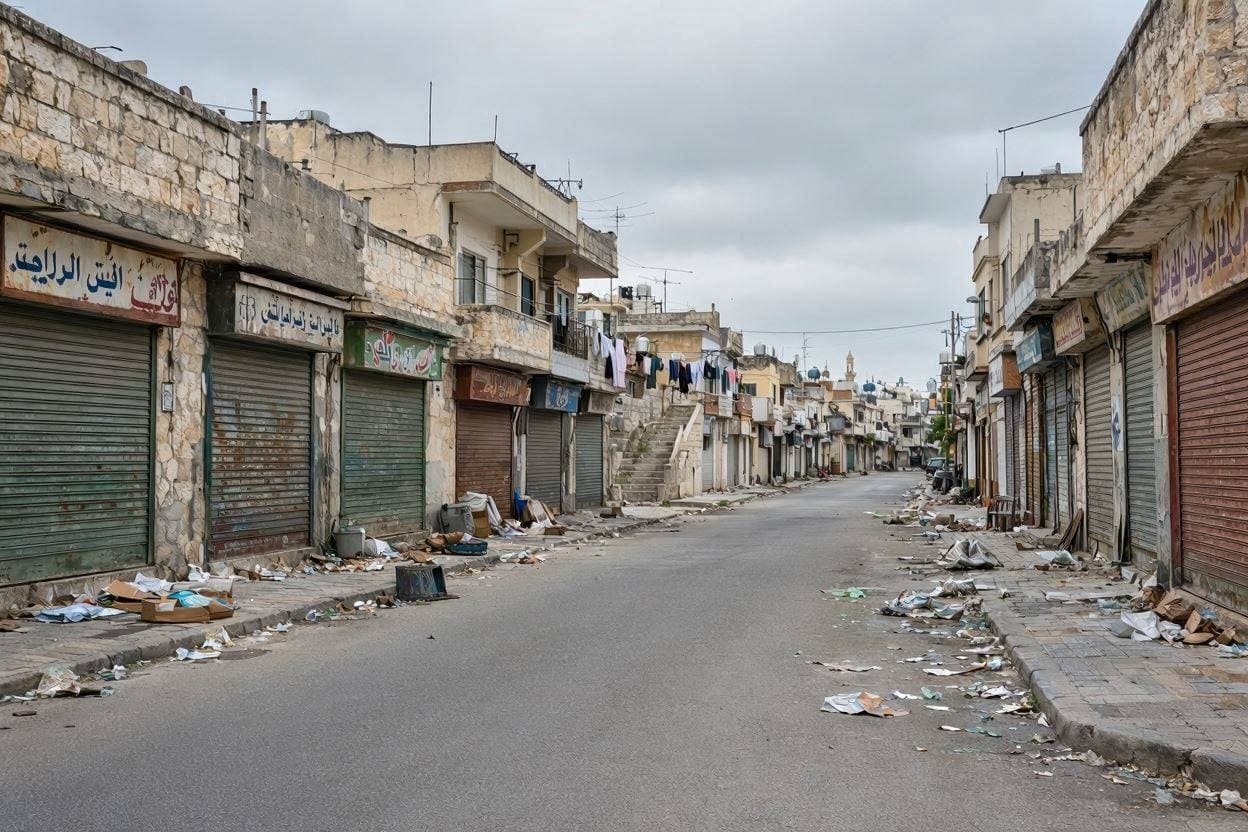
Access to basic services remains critically limited. Water supplies are intermittent, with many neighborhoods going days without running water. Electricity outages are frequent, plunging communities into darkness and hindering communication and medical care. Healthcare facilities, already strained by pre-existing economic challenges, are overwhelmed with patients suffering from injuries, infections, and trauma-related stress.
The humanitarian response, led by international organizations like the UN and the Red Cross, has been substantial but faces logistical hurdles. Delivering aid to remote or heavily damaged areas is difficult, and the scale of need is vast. Up to 6.8 million people have been affected by the disaster, requiring urgent assistance with shelter, sanitation, and healthcare. Despite these efforts, gaps remain, leaving many feeling forgotten and vulnerable.
Psychological support is becoming increasingly important as the initial adrenaline fades. Survivors are grappling with grief, anxiety, and the uncertainty of the future. Children, in particular, are affected by the disruption of their routines and the loss of familiar surroundings. Community leaders and volunteers are working to provide emotional support, creating spaces for healing and connection amidst the chaos.
Economic recovery is a distant prospect for many. Small businesses have been destroyed, and livelihoods lost. The informal economy, which sustains much of the population, has been severely disrupted. Without income, families struggle to buy food and other essentials, relying on aid distributions that are not always consistent. The long-term impact on poverty levels is likely to be significant.
Government agencies are working to restore infrastructure, but progress is slow. Clearing debris, repairing roads, and rebuilding utilities require time and resources that are in short supply. International donors have pledged support, but the coordination of funds and materials is complex. The path to reconstruction will be long, requiring sustained commitment from both local and global partners.
Despite the hardships, stories of solidarity emerge. Neighbors share what little they have, and strangers offer help to those in need. These acts of kindness provide a glimmer of hope in a dark time, reminding everyone that they are not alone. The community’s resilience is a powerful force, driving the effort to rebuild and recover.
Closing: As Venezuela enters the second month of recovery, the focus remains on meeting immediate needs while planning for the future. The earthquakes have changed lives forever, but they have also revealed the depth of human compassion. With continued support and determination, the hope is that stability will return, and the scars of the disaster will slowly heal.
AI Image Disclaimer: Please be aware that any visual illustrations accompanying this text are AI-generated interpretations designed to evoke the thematic context of humanitarian crisis and recovery, and do not depict actual photographs of specific individuals or locations in Venezuela.
Sources: UN OCHA ReliefWeb IFRC UN Refugees
Note: This article was published on BanxChange.com and is powered by the BXE Token on the XRP Ledger. For the latest articles and news, please visit BanxChange.com