In the years after the height of the Syrian war, much of the world learned to live with distance. Headlines that once arrived daily—columns of smoke rising over shattered cities, black flags moving across desert roads, families fleeing through dust and winter rain—slowly receded from front pages. Yet wars rarely end completely. They linger quietly in courtrooms, intelligence files, displaced communities, and the lives of those who once crossed borders toward conflict believing history itself was being rewritten.
This week, Australian authorities charged a woman accused of traveling to Syria to join the Islamic State group during the height of the organization’s territorial expansion in the Middle East. Officials allege the woman left Australia several years ago and entered territory controlled by the militant group, which at one point governed large areas of Syria and Iraq before its military collapse.
The announcement reopened memories of a period when governments across Europe, Asia, and Oceania confronted the difficult reality of citizens traveling abroad to join extremist movements. During the mid-2010s, Islamic State’s propaganda reached far beyond the battlefields of Syria. Through encrypted messages, videos, and online networks, the organization projected an image of purpose and belonging that drew recruits from cities thousands of miles away from the war itself.
In Australia, the case arrives against a broader backdrop of ongoing national security efforts tied to foreign fighters who traveled to conflict zones during those years. Authorities have spent much of the past decade tracking returnees, monitoring extremist networks, and navigating the legal complexities surrounding citizens accused of involvement with militant organizations abroad. Court proceedings tied to such cases often unfold slowly, shaped by evidence gathered across multiple countries and years of investigation.
The woman’s arrest also reflects the long afterlife of the Syrian conflict itself. Though the self-declared caliphate of Islamic State largely collapsed years ago under military campaigns led by international coalitions and regional forces, its legacy remains scattered across refugee camps, detention centers, and fractured communities throughout the Middle East. In northeastern Syria especially, thousands of foreign nationals connected to the group continue living in legal and political uncertainty.
Far from those camps, life in Australia continues beneath calmer skies and familiar routines. Commuters board trains through Sydney and Melbourne each morning. Coastal suburbs move through ordinary weekends shaped by cafés, sports grounds, and ocean winds. Yet occasionally, cases like this remind the country that distant conflicts once reached deeply into domestic politics and public consciousness.
During the peak of Islamic State’s rise, Australia strengthened counterterrorism laws, expanded surveillance powers, and joined international military operations targeting the group in Iraq and Syria. Public debates unfolded over citizenship revocations, rehabilitation, detention, and the responsibility governments carry toward nationals who traveled voluntarily into war zones. Those conversations, though quieter now than a decade ago, remain unresolved in many democratic societies.
Security experts often note that extremist movements leave traces extending beyond territorial defeat. The dismantling of a physical organization does not immediately erase the ideological, emotional, or social currents that once allowed it to spread across borders. In this sense, modern conflicts move differently than conventional wars. They continue through digital networks, migration patterns, legal systems, and memory itself.
Meanwhile, Syria remains marked by layers of devastation accumulated over more than a decade of conflict. Entire neighborhoods in cities such as Raqqa and Aleppo still bear visible scars of bombardment and displacement. Camps housing displaced families stretch across dry landscapes where children have grown up knowing only instability. International attention has shifted elsewhere in recent years, but the consequences of the war remain embedded deeply within the region.
Australian officials emphasized that the woman’s case would proceed through the legal system, where the allegations must be tested in court. As with all criminal proceedings, the charges remain accusations unless proven. Yet beyond the courtroom process lies a broader reflection on how nations continue reckoning with one of the defining security crises of the early twenty-first century.
By evening, the story had already moved through broadcasts and digital headlines before blending into the steady rhythm of global news. Another court appearance will come. Another statement will be issued. But beneath the procedural language and legal terminology lingers the quieter weight of a generation shaped by wars that crossed borders not only through armies, but through ideas, screens, and fractured identities carried from one continent to another.
And so, years after the deserts of Syria first captured the world’s attention, their echoes still arrive unexpectedly—through police briefings, courtroom doors, and the difficult reminder that distant conflicts rarely remain distant forever.
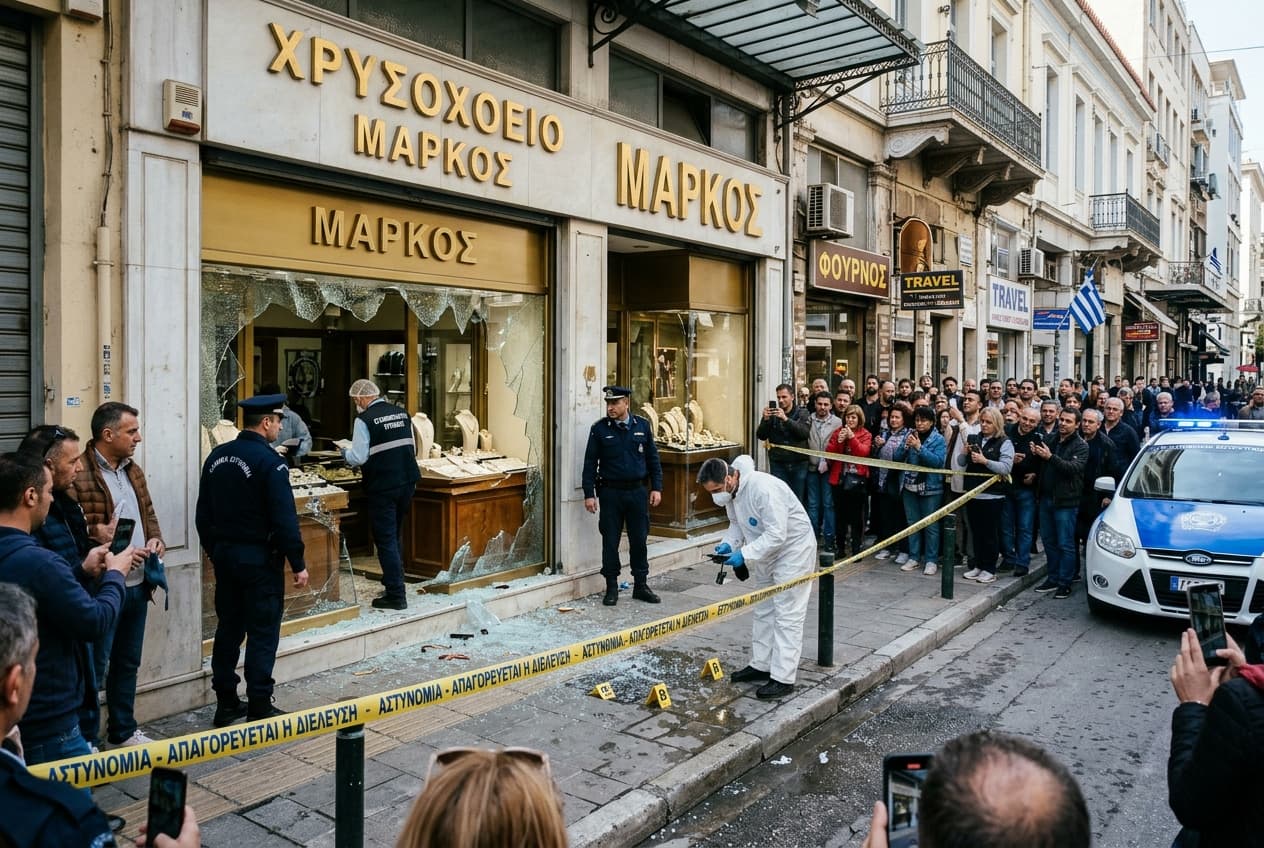
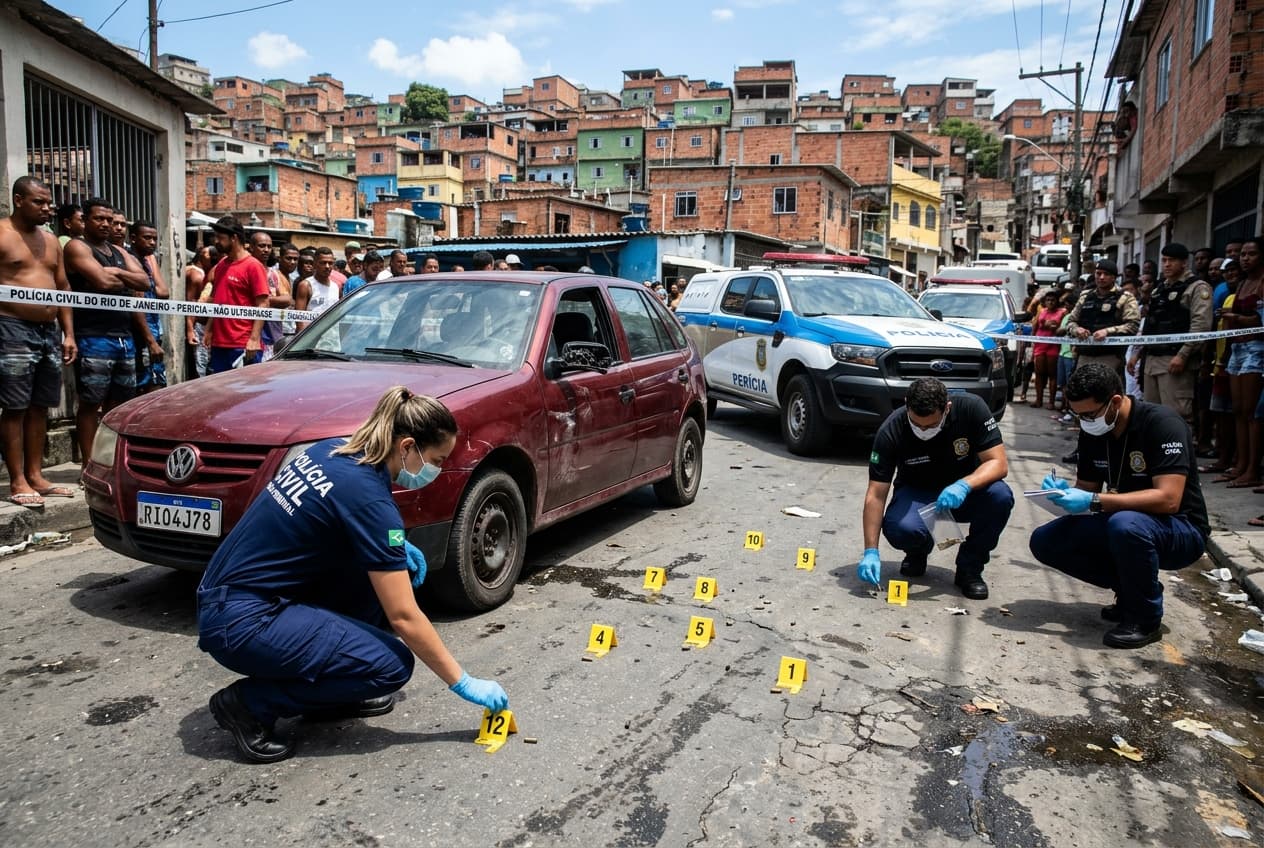
AI Image Disclaimer: Illustrative images for this article were generated using AI and are intended as conceptual visualizations.
Sources:
Reuters Australian Federal Police BBC News Associated Press The Guardian Australia
Published by Banx Network. This article is part of the Banx decentralized media programme, powered by the BXE token on the XRP Ledger.