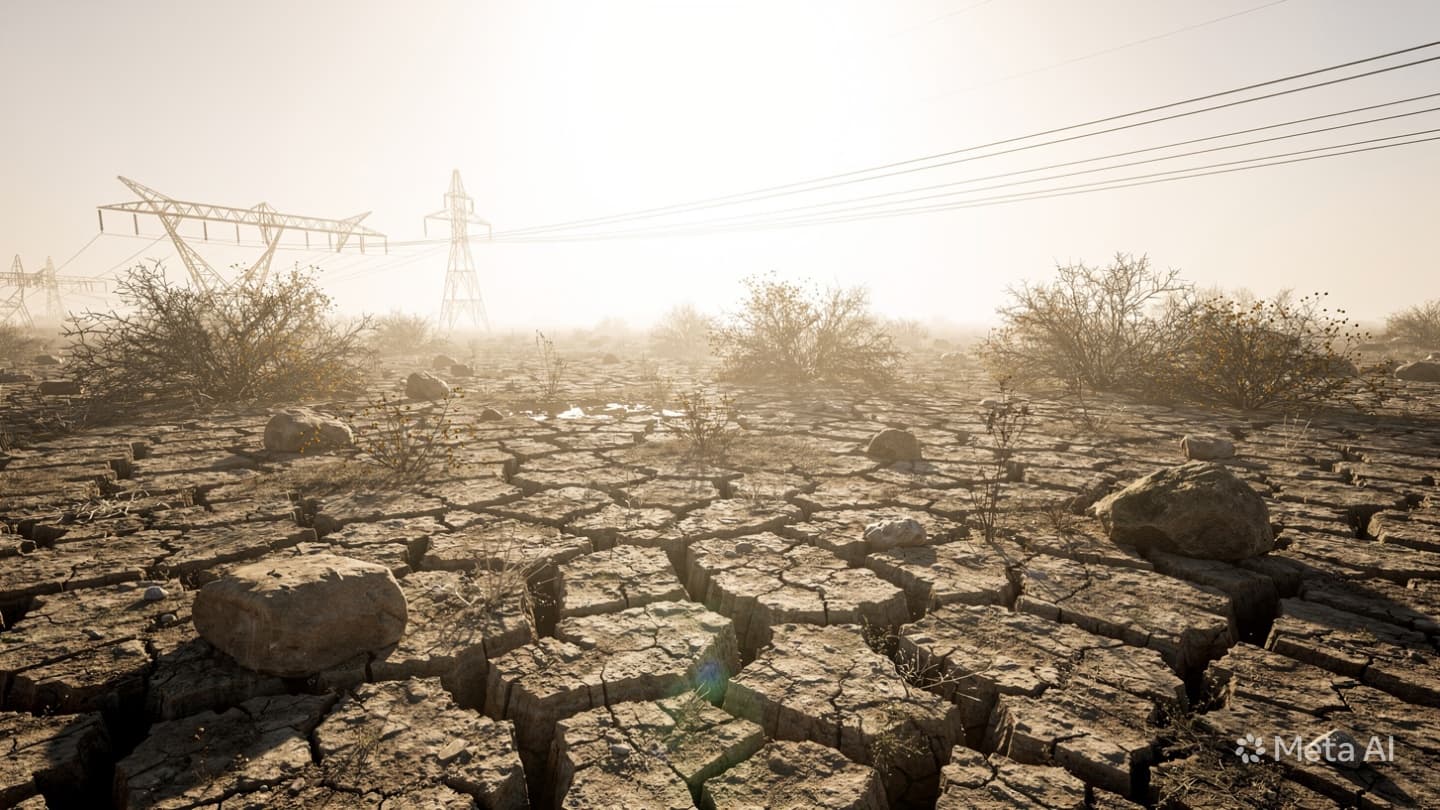
There is a specific stillness that accompanies extreme heat, a heavy blanket that settles over the land and silences the ordinary sounds of the day. The air becomes a visible weight, shimmering above the dry earth and distorting the shapes of distant trees. In these moments, the environment ceases to be a background and becomes an active participant in daily survival, demanding a slower pace from everything that moves within it. Across the vast expanses of the rural interior, the sun dictates the limits of human exertion. Laborers retreat to the shade long before noon, their tools left cooling in the dust as the temperature climbs to heights that feel entirely unnatural. The earth itself seems to bake, cracking open under a sky devoid of clouds, offering no promise of relief or moisture for the parched soil. This intense thermal pressure eventually finds the hidden vulnerabilities in the infrastructure that sustains modern life. The power grid, a silent network of metal towers and sagging wires, bears the invisible strain of a population seeking cool air. Transformers hum with a low, desperate vibration, working at the absolute limit of their design as the demand for electricity surges across towns and cities alike. When the grid falters, the consequences ripple outward into the countryside with immediate clarity. Without power, the pumps that draw water from deep underground fall silent, leaving both people and livestock to contend with the dry heat without immediate relief. In the small concrete homes that dot the landscape, the interior air quickly matches the oppressive heat of the sun outside. Dehydration becomes a quiet, creeping adversary under these conditions, particularly for those who cannot easily escape the elements. The elderly and the very young feel the shift first, their bodies struggling to cope with a climate that offers no nighttime cooling. Local clinics, usually quiet places, see a steady stream of individuals seeking shade, water, and intravenous fluids to stabilize their failing systems. The fields, too, reflect the severity of the season, with crops drooping under the relentless exposure. The green of the leaves fades into a dusty, pale yellow, signaling a distress that will eventually be felt in the markets months from now. Farmers look to the horizon for any sign of a changing wind, but the breeze that does arrive brings only more dry heat from the north. There is a communal understanding of this hardship, a shared endurance that binds the rural communities together during the worst hours of the day. Neighbors check on one another, sharing what little water remains in shaded cisterns and keeping animals under whatever canopy the trees provide. It is a survival strategy based on patience, an awareness that one cannot fight the sun, only outlast it. Ultimately, the crisis highlights the growing gap between the capacity of existing infrastructure and the demands of an intensifying climate. Utility operators reported multiple localized blackouts across southern and central districts due to thermal overload on primary transmission lines. Health ministries have issued official advisories urging rural residents to limit outdoor activities as regional temperatures remain well above normal thresholds.
Note: This article was published on BanxChange.com and is powered by the BXE Token on the XRP Ledger. For the latest articles and news, please visit BanxChange.com