Trade agreements are often announced with polished language and ceremonial photographs, yet beyond the formal gestures lies a quieter reality: nations searching for stability while the world around them shifts uneasily. In the Gulf region, where commerce and conflict have long existed side by side, economic cooperation continues moving forward even as geopolitical tensions cast long shadows across the horizon.
The United Kingdom secured a trade agreement valued at approximately $5 billion with Gulf states, strengthening economic ties at a time when concerns surrounding regional instability and tensions linked to Iran remain high. British officials described the deal as an important step in expanding long-term partnerships with Gulf economies.
The agreement involves cooperation across sectors including energy, finance, infrastructure, and technology. Officials said the arrangement is expected to encourage investment opportunities while deepening commercial engagement between Britain and members of the Gulf Cooperation Council.
The timing of the agreement drew particular attention because it unfolded amid ongoing regional anxiety connected to Iran and broader Middle Eastern security concerns. Diplomatic observers noted that Gulf nations continue balancing economic modernization efforts with complex geopolitical realities shaping the region.
Britain has increasingly pursued trade partnerships outside Europe following Brexit, with Gulf economies viewed as strategically significant due to their investment capacity and rapidly diversifying markets. Gulf states, meanwhile, have accelerated efforts to reduce reliance on oil revenues by expanding industries such as tourism, renewable energy, logistics, and advanced technology.
Analysts suggested the agreement reflects a broader international trend in which economic alliances are becoming closely tied to geopolitical strategy. In uncertain global conditions, governments increasingly seek stable trade relationships that can provide both commercial and diplomatic advantages.
Business groups in Britain welcomed the announcement, especially sectors connected to finance and infrastructure development. Some economists noted that Gulf sovereign wealth funds continue representing major sources of international investment during periods of global economic uncertainty.
Human rights advocates, however, continued encouraging governments to ensure that trade expansion is accompanied by discussions surrounding labor protections and regional stability. Such concerns have frequently formed part of wider debates over international partnerships involving Gulf states.
British and Gulf officials stated that implementation talks would continue over the coming months as additional sector agreements and investment frameworks are finalized.
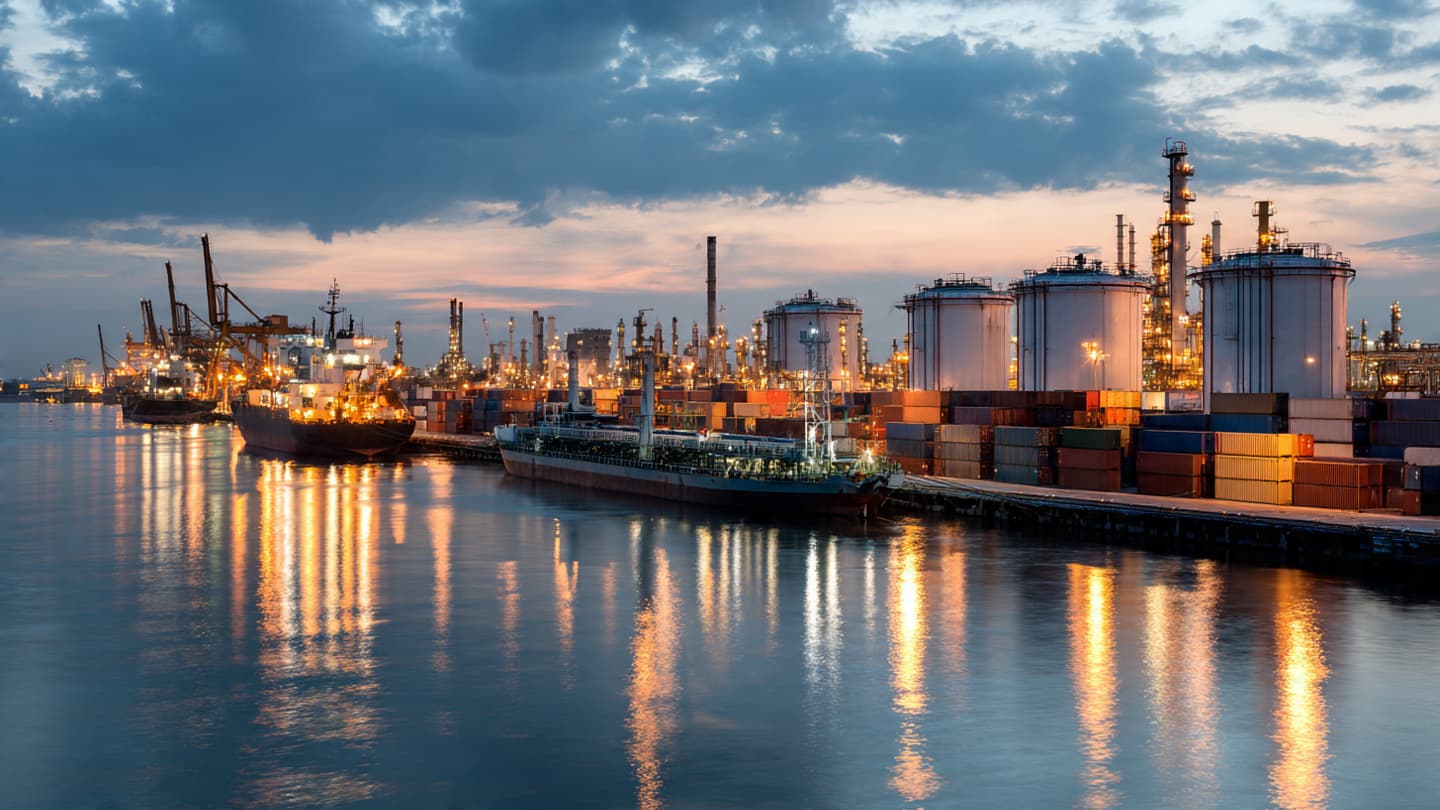
AI-generated image disclaimer: Some illustrations accompanying this report may be AI-generated visual representations of international trade and diplomacy.
Sources: Reuters, Financial Times, BBC News, Bloomberg, The Guardian
Published by Banx Network. This article is part of the Banx decentralized media programme, powered by the BXE token on the XRP Ledger.