
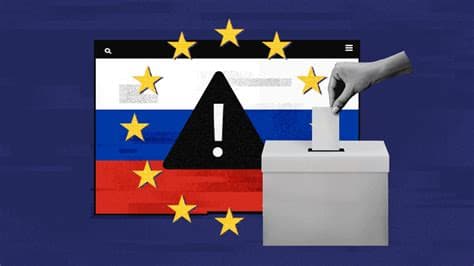
On May 21, 2026, a significant disinformation campaign orchestrated by pro-Kremlin actors has been unveiled, targeting Armenia as the country approaches its parliamentary elections set for early June. According to a detailed report by Euronews, this operation is described as one of the largest of its kind in recent years, rivaling the disinformation efforts seen during Moldova's elections in 2025.
The campaign has allegedly produced over 343 fake videos by early May, with narratives designed to incite fear regarding a potential victory for Prime Minister Nikol Pashinyan. Central to these narratives is the claim that a Pashinyan victory, characterized by a pro-European stance, could trigger a military confrontation with Russia. This rhetoric highlights the tense geopolitical environment in the region.
Research teams, including the Antibot4Navalny collective, have documented how bots are spreading disinformation across social media platforms. One notable video even falsely depicted Pashinyan’s press secretary confirming NATO instructors' presence in Armenia, suggesting that a pro-Pashinyan government would provoke military conflict with Russia post-elections.
The operational framework for this campaign appears to be connected to a broader pro-Kremlin disinformation strategy known as "Matryoshka," which increasingly employs artificial intelligence tools to amplify its reach. Alongside Matryoshka, another campaign called Storm-1516 has also gained traction, further disseminating false allegations about Pashinyan and his campaign financing.
For context, this disinformation barrage coincides with a period of increasing cooperation between Armenia and the European Union, underscoring the Kremlin's efforts to destabilize pro-Western sentiment in the region. As political tensions continue to rise, the strategies employed by these disinformation networks are evolving, incorporating more sophisticated methods and targeting local audiences directly.
The situation poses a significant challenge for Armenian authorities as they navigate the difficult landscape of maintaining electoral integrity while countering the effects of disinformation campaigns. According to Ella Murray, a digital influence analyst, the intent behind these operations is clear: to delegitimize pro-Western candidates and reinforce Russian influence in Armenia, paralleling efforts seen in countries like Moldova and Hungary. As the elections draw near, the stakes are high, and the battle against misinformation remains critical for the future of Armenian democracy.
Note: This article was published on BanxChange.com and is powered by the BXE Token on the XRP Ledger. For the latest articles and news, please visit BanxChange.com