On Saturn’s largest moon, Titan, nature performs a familiar dance with unfamiliar partners. Rivers carve valleys, rain falls from cloudy skies, and lakes shimmer under a hazy orange sun. To the casual observer, the hydrological cycle appears strikingly similar to Earth’s. Yet, this resemblance is a beautiful illusion. The liquid flowing is not water, but methane, and the bedrock beneath is not soil, but water ice frozen so hard it resembles stone. It is a world that mirrors our own while remaining profoundly alien, inviting us to rethink the definitions of habitability and landscape.
Body: Titan is the only place in the solar system, other than Earth, known to have stable liquid on its surface. This liquid is methane, a simple hydrocarbon that behaves like water does on our planet. It evaporates, forms clouds, condenses into rain, and flows across the surface, eroding channels and filling basins. This methane cycle drives the weather and shapes the geography of Titan, creating a dynamic environment that changes with the seasons, albeit at a much slower pace due to Titan’s long year.
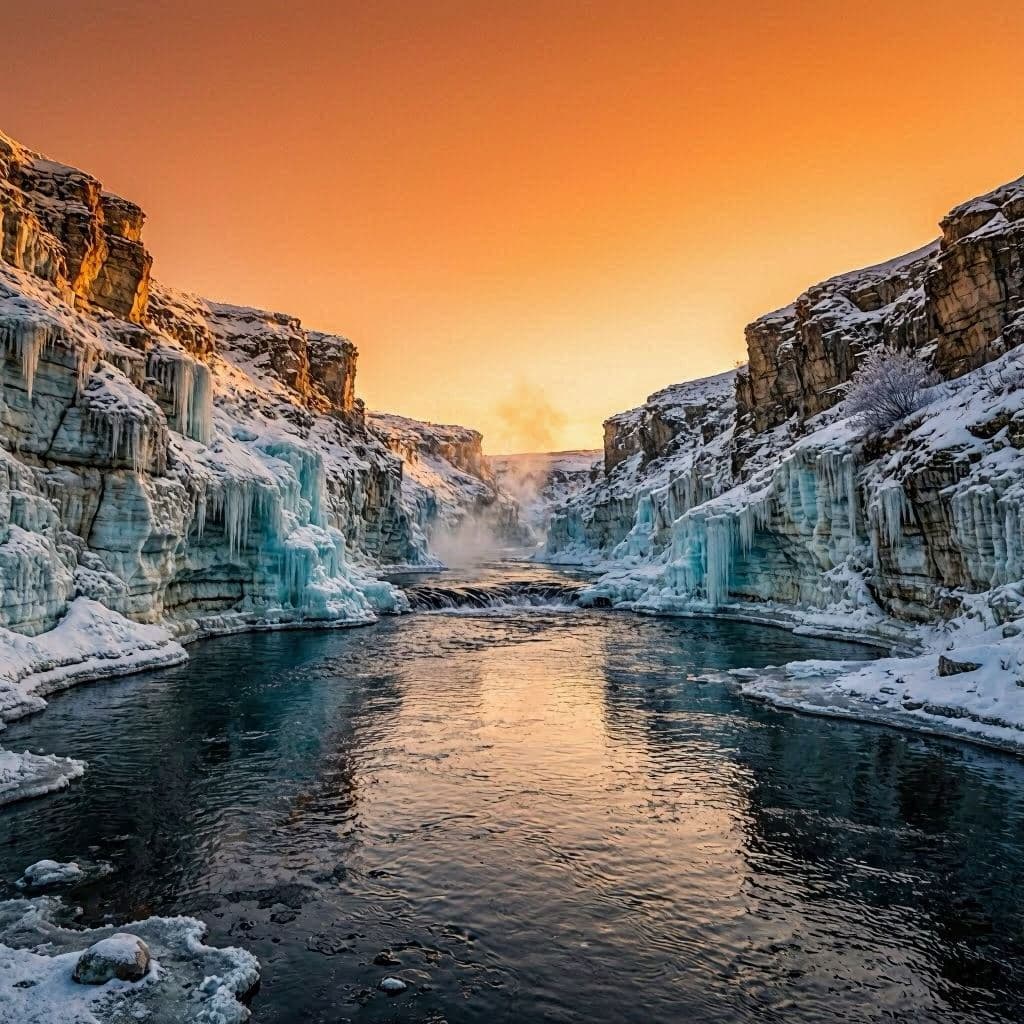
The ground beneath these rivers is composed of water ice. At Titan’s frigid temperatures, around -290 degrees Fahrenheit, water ice is as hard as granite. It does not melt or flow like glacial ice on Earth; instead, it forms the solid crust of the moon. Methane rain erodes this icy bedrock, carving out canyons and valleys that look remarkably like those found in arid regions of Earth. The similarity in form belies the difference in material, a testament to the universal laws of fluid dynamics.
The lakes of Titan, such as Kraken Mare, are vast reservoirs of liquid methane and ethane. They are dark and smooth, reflecting the thick atmosphere above. Scientists believe these lakes may harbor complex organic chemistry, potentially offering clues to the prebiotic conditions that led to life on Earth. While Titan is too cold for life as we know it, its chemical richness makes it a prime target for astrobiological research.
The atmosphere of Titan is thick and nitrogen-rich, similar to Earth’s early atmosphere. It shields the surface from radiation and allows for the formation of complex organic molecules. Haze layers obscure the view from space, giving Titan its characteristic orange glow. This atmospheric density also contributes to the slow fall of methane rain, which drifts down gently rather than pouring in violent storms, adding to the serene yet eerie quality of the landscape.
Exploring Titan presents unique challenges. The Cassini-Huygens mission provided our first close-up views, revealing a world of dunes, mountains, and seas. Future missions, such as NASA’s Dragonfly, aim to land a rotorcraft on the surface to study the chemistry and geology up close. These missions seek to understand how a world so different from Earth can exhibit such familiar geological processes.
The comparison to Earth is both useful and limiting. It helps us visualize Titan’s features, but it can also lead to assumptions that do not hold true. For instance, the viscosity of methane is lower than water, meaning it flows more easily. The erosion rates and sediment transport differ significantly. Understanding these nuances is key to interpreting the data and appreciating Titan for what it is, not just as a mirror of Earth.
Closing: In the end, Titan is a world of paradoxes, familiar yet foreign, wet yet frozen. Its methane rivers and icy beds remind us that the universe is diverse in its expressions of natural law. As we continue to explore this distant moon, we gain not only knowledge of another world but also a deeper appreciation for the unique and precious conditions that make Earth what it is.
AI Image Disclaimer: The visual representations associated with this article are AI-generated artistic interpretations designed to illustrate the themes of exotic planetary science.
Sources: NASA European Space Agency (ESA) Planetary Society
Published by Banx Network. This article is part of the Banx decentralized media programme, powered by the BXE token on the XRP Ledger.