
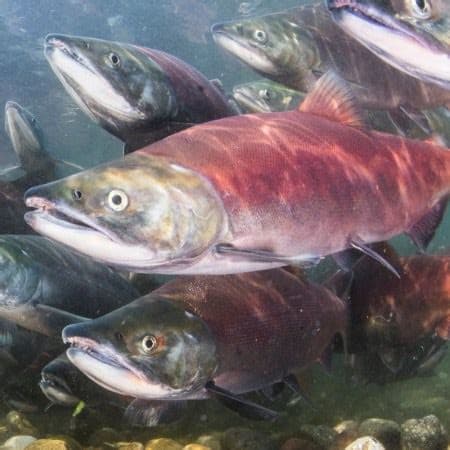
A recent study conducted by scientists from the Swedish University of Agricultural Sciences and Griffith University has highlighted the surprising effects of cocaine on juvenile Atlantic salmon. In an experiment, researchers administered cocaine and its breakdown product, benzoylecgonine, to a group of salmon, revealing that these fish swam significantly farther and wider than untreated salmon.
The inquiry emerged from growing concerns about how human drug use pollutes natural waterways. Past research has shown that various pharmaceuticals can affect fish behaviors, but the implications of illicit drugs like cocaine remained largely unstudied. Jack Brand, an aquatic ecologist involved in the study, stated that the effects of drug pollution on aquatic wildlife are increasingly evident and warrant further exploration.
In the study, 105 juvenile salmon were divided into three groups, with one group receiving cocaine, another receiving benzoylecgonine, and a control group receiving no drugs. The researchers implanted slow-release devices in the fish to simulate chronic exposure to drugs typically found in polluted environments. Over an eight-week period, those exposed to both cocaine and benzoylecgonine swam up to 1.9 times farther per week, covering nearly 12.3 kilometers (7.6 miles) more than the control group.
Researchers are concerned about the broader implications of these findings. Increased swimming distances mean that fish may venture into unfamiliar habitats, exposing them to more predators and potentially jeopardizing their energy reserves crucial for growth and survival. Brand also noted that benzoylecgonine, previously thought to be a less concerning metabolite, could pose even greater risks due to its abundance in waterways.
This research underscores the necessity for improved wastewater treatment methods to mitigate the environmental effects of drug pollution. As more studies reveal the extent of drug contamination in aquatic ecosystems, the need for comprehensive monitoring and action is becoming increasingly urgent.
In summary, this study not only demonstrates that salmon can be affected by cocaine in more ways than one, but it also highlights the ongoing issue of how human activities, including drug use, profoundly impact wildlife and ecosystems. The need for awareness and functional changes in how we manage wastewater remains paramount for the health of our water bodies.
Note: This article was published on BanxChange.com and is powered by the BXE Token on the XRP Ledger. For the latest articles and news, please visit BanxChange.com