
Key Highlights
- Projected Visitors:The UK expects 45.5 million international visitors in 2026.
- Economic Recovery:Tourism is rebounding, reflecting renewed global confidence.
- Sustainable Practices:Officials emphasize the importance of sustainable tourism.
[Tourism Recovery in the UK]
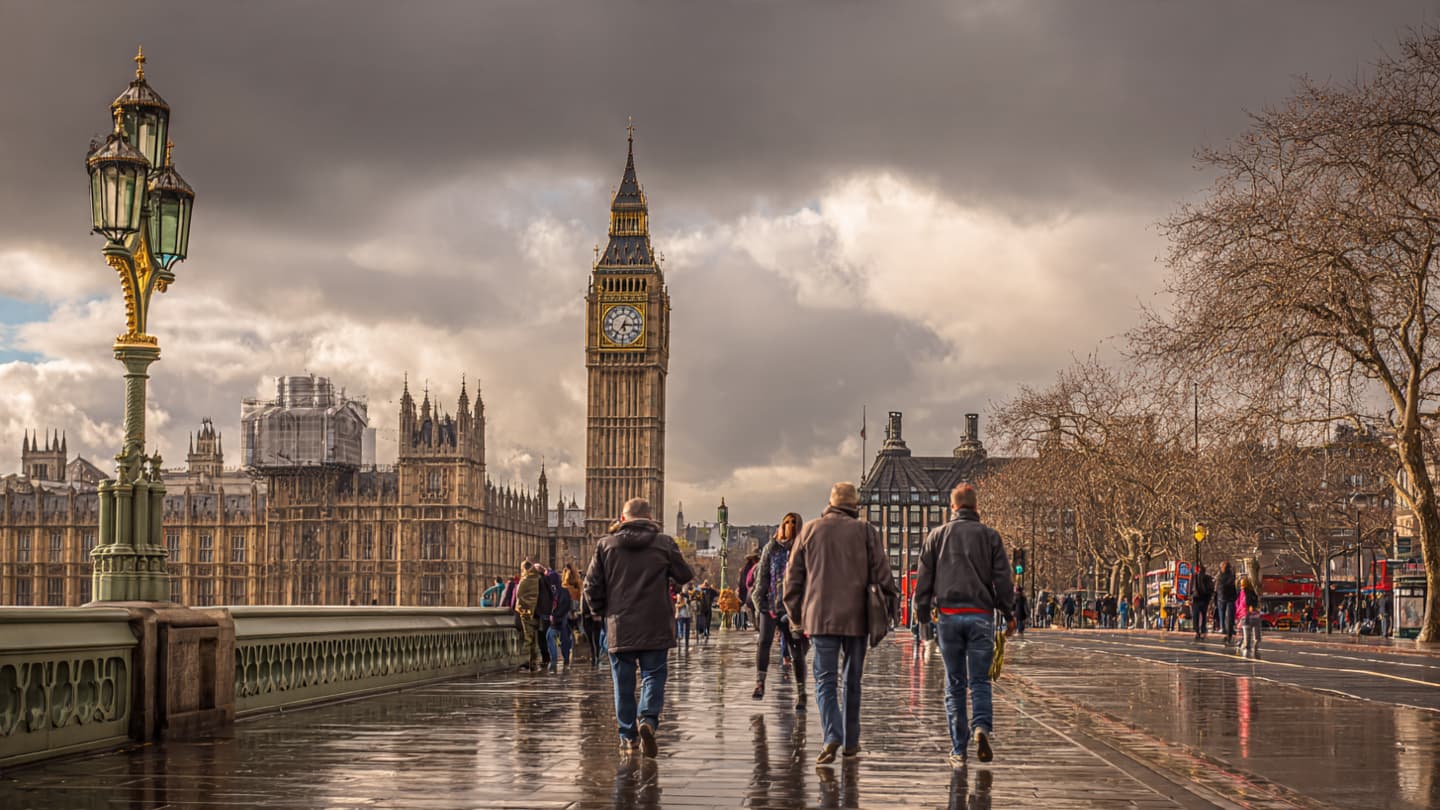
There is something timeless about arriving in England. Perhaps it is the sight of old stone buildings standing patiently beneath gray skies, or the feeling of walking through narrow streets where centuries seem to breathe quietly through every corner. For generations, Britain has remained not only a destination but also a collection of stories waiting to be rediscovered.
Tourism officials now project that the United Kingdom could welcome a record 45.5 million international visitors in 2026, signaling a strong recovery for one of the country’s most important industries. This anticipated influx of visitors is expected to rejuvenate local economies and enhance the cultural landscape from London’s historic landmarks to the coastal villages of Cornwall and the lush green countryside.
Hotels, restaurants, museums, and transportation services are gearing up for increased demand as travelers from Europe, North America, Asia, and the Middle East return in larger numbers. Industry analysts believe this recovery reflects renewed global confidence in international travel after years of uncertainty and disruption caused by the pandemic. The projected growth is not just a number; it represents a lifeline for many businesses that have struggled through the challenges of global travel restrictions.
In major cities such as London, Manchester, and Edinburgh, tourism workers describe a growing sense of optimism. Airports have reported higher passenger movement, while cultural attractions anticipate busier seasons ahead. For many businesses that endured difficult years, the projected growth feels less like celebration and more like relief. The return of international visitors is crucial for the hospitality sector, which has faced unprecedented challenges in recent years.
Yet tourism in Britain extends beyond economic statistics. Visitors often arrive searching for atmosphere as much as attractions — the quiet charm of old bookstores, the warmth of countryside cafés, or the sound of church bells echoing through ancient streets after rain. These small experiences continue shaping Britain’s image in the imagination of international travelers, making the country a unique destination that offers more than just sights.
Officials also emphasize the importance of sustainable tourism as visitor numbers rise. Discussions surrounding transportation efficiency, environmental protection, and preservation of historical sites have become increasingly central to long-term planning. Balancing popularity with preservation remains one of the sector’s continuing challenges, as the influx of tourists can strain local resources and impact the very charm that attracts visitors in the first place.
As airplanes descend over London and trains carry visitors toward historic towns once again, Britain appears ready to reopen its familiar dialogue with the world. Tourism may bring revenue and economic recovery, but it also revives something less measurable — the quiet exchange between places, people, and memories that travel has always carried. The future of UK tourism looks promising, but it will require careful management to ensure that the beauty and history of the country are preserved for generations to come.
Published by Banx Network. This article is part of the Banx decentralized media programme, powered by the BXE token on the XRP Ledger.



