
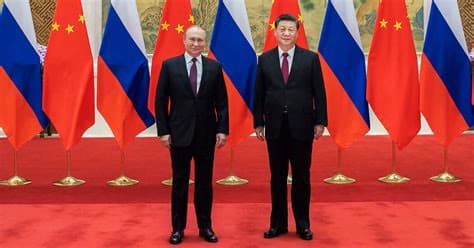
In response to the U.S. decision to indict Raúl Castro, former President of Cuba, both Russia and China have issued sharp criticisms. The indictment, announced as part of the U.S. government's escalating pressure on Cuba, accuses Castro of orchestrating the 1996 downing of two planes operated by the Cuban-American exile group Brothers to the Rescue, resulting in the deaths of four individuals.
The Kremlin described the U.S. actions as an unacceptable form of pressure on Cuba, stating through spokesperson Dmitry Peskov that such measures "border on violence." Peskov highlighted the implications of this indictment for international diplomacy and criticized the U.S. for using legal mechanisms as a political weapon.
In a similar vein, the Chinese foreign ministry urged Washington to cease what they termed coercive tactics against its ally, insisting on the principle of non-interference in sovereign nations' affairs. Guo Jiakun, a spokesperson for the ministry, insisted that the U.S. should stop using sanctions and the judicial system as tools of coercion.
The indictment comes amidst a backdrop of intensified diplomatic hostilities between the U.S. and Cuba, particularly under President Donald Trump's administration, which has sought to roll back previous engagements and exert heavy sanctions on Cuba. Analysts suggest this move reflects a broader strategy aimed at destabilizing the Cuban government, particularly following the recent capture of Venezuelan President Nicolás Maduro, a key ally of Havana.
Cuban President Miguel Díaz-Canel characterized the U.S. charges as politically motivated and devoid of any legal foundation, reinforcing Cuba's commitment to resist external pressures. The indictment aligns with a broader U.S. foreign policy approach that aims to punish and isolate nations that oppose American interests.
As tensions escalate, both China and Russia pledge unwavering support for Cuba, complicating the geopolitical landscape further. The situation is developing, with potential implications for U.S.-Cuba relations and the broader dynamics of international diplomacy concerning human rights and sovereignty.
Note: This article was published on BanxChange.com and is powered by the BXE Token on the XRP Ledger. For the latest articles and news, please visit BanxChange.com