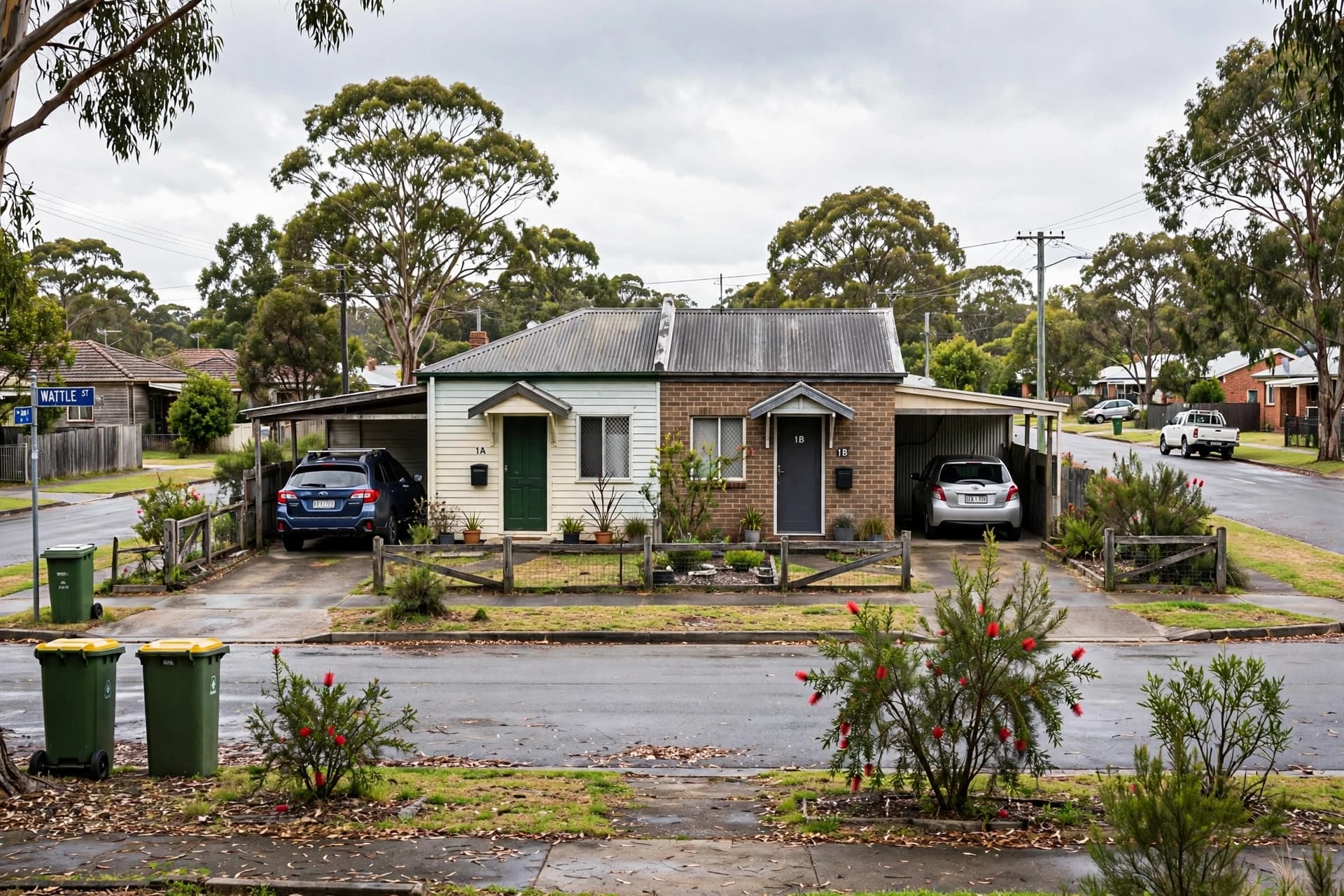
Wealth is not just a number in a bank account; it is a ladder that allows generations to climb higher, securing opportunities and stability for their descendants. However, recent discussions around tax reforms in Australia have sparked a fierce debate about whether current policies are widening the rungs of that ladder for some while removing them for others. A prominent property expert has warned that these changes could cement the greatest generational wealth gap in history, creating a divide that may be difficult to bridge. It is a concern that touches on fairness, opportunity, and the future of social mobility.
Body: The core of the argument lies in how property ownership is taxed and incentivized. Policies such as negative gearing and capital gains tax discounts have long been criticized for favoring existing property owners, who are disproportionately older and wealthier. Critics argue that these measures inflate housing prices, making it increasingly difficult for younger Australians to enter the market. As a result, wealth accumulates in the hands of those who already own assets, while those trying to buy their first home face steep barriers.
The property expert’s warning highlights the long-term implications of this trend. If young people cannot accumulate equity in their homes, they miss out on one of the primary drivers of wealth creation in Australia. This disparity is not just economic; it affects life choices, such as when to start a family, where to live, and how much financial security one can expect in retirement. The gap between the "have-nots" and the "haves" becomes a chasm that defines entire generations.
Proponents of the current system argue that it encourages investment in the housing stock, leading to more rental properties and potentially lower rents. They suggest that removing these incentives could destabilize the market and reduce the supply of housing. However, opponents counter that the benefits are skewed toward investors rather than homeowners, and that the social cost of reduced affordability outweighs the economic arguments.
The political landscape is divided on this issue, with various parties proposing different solutions. Some advocate for the gradual phasing out of negative gearing, while others propose more radical overhauls of the tax system. The debate is often heated, reflecting the deep emotional and financial stakes involved. For many Australians, housing is not just an investment but a fundamental part of their identity and security.
International comparisons offer some perspective. Other countries have implemented different tax models that prioritize first-home buyers or restrict speculative investment. Studying these examples can provide insights into potential reforms that might balance market efficiency with social equity. However, every nation’s context is unique, and solutions must be tailored to local conditions and values.
The impact of the wealth gap extends beyond individual households. It affects economic growth, social cohesion, and political stability. A society where wealth is concentrated in the hands of a few may struggle with inequality and unrest. Addressing this issue requires a holistic approach that considers taxation, housing supply, and income support. It is a complex puzzle that demands careful thought and collaborative effort.
Closing: In the end, the debate over tax reforms and the generational wealth gap is about the kind of society we want to build. It challenges us to consider whether our current systems are fair and sustainable for future generations. As policymakers weigh their options, the voices of experts and citizens alike must be heard, ensuring that decisions are made with both economic prudence and social justice in mind.
AI Image Disclaimer: Visuals accompanying this text are AI-generated conceptualizations intended to depict the themes of economy and housing.
Sources: Domain Group The Australian Financial Review ABC News
Published by Banx Network. This article is part of the Banx decentralized media programme, powered by the BXE token on the XRP Ledger.