
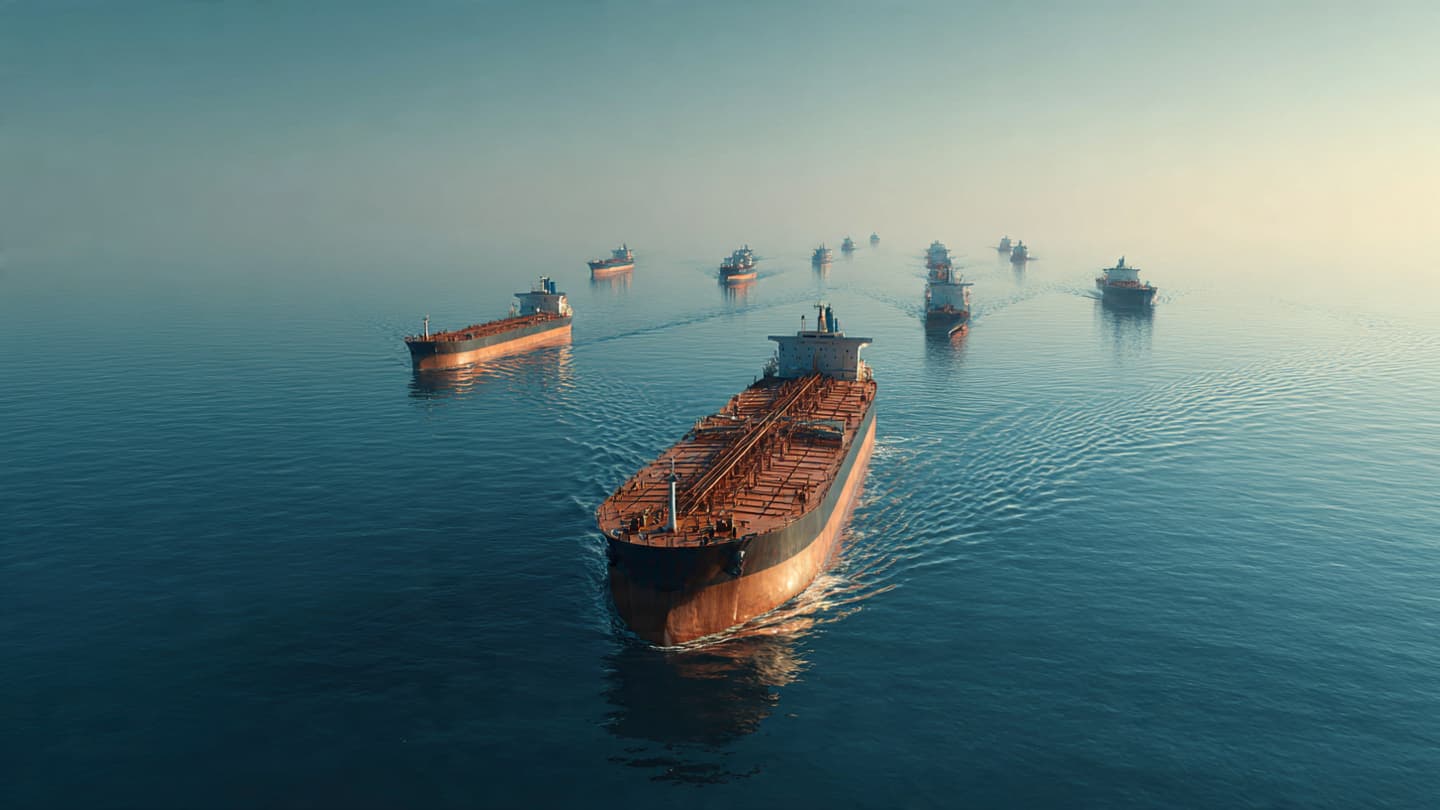
Some of the world's most important economic stories pass quietly through narrow waterways. Among them, the Strait of Hormuz occupies a unique position, serving as one of the most critical energy corridors on the planet. Though modest in geographical size, its influence extends across continents. Recent expectations of normalized energy trade through the strait have generated optimism among businesses and policymakers, particularly in Europe.
The importance of the Strait of Hormuz stems from its role in global energy transportation. A substantial portion of internationally traded oil and other energy resources passes through this route before reaching markets around the world. Any disruption can quickly affect prices, supply expectations, and economic confidence.
In recent months, uncertainty surrounding regional developments had contributed to concerns among energy traders and industrial planners. Businesses that depend on stable energy supplies closely monitored events, recognizing that disruptions could increase costs and complicate production planning.
Signs of normalization are therefore being welcomed across multiple sectors. Improved confidence in shipping routes can help stabilize markets, reduce volatility, and support more predictable supply conditions. These benefits are particularly valuable for industries that rely heavily on energy-intensive operations.
European manufacturers stand among those likely to benefit. Stable energy supplies help companies forecast costs more accurately and manage long-term investments with greater confidence. Predictability often becomes a competitive advantage in an environment where uncertainty can create significant challenges.
The effects extend beyond manufacturing alone. Transportation companies, logistics providers, and energy distributors all rely upon efficient global trade routes. When critical corridors function smoothly, economic activity can proceed with fewer interruptions and lower risk.
Financial markets have also responded positively to signs of improving stability. Investors frequently view reliable energy supplies as an important factor supporting economic growth. Reduced concerns about disruptions can encourage a more constructive outlook regarding future business conditions.
At the same time, experts caution that global energy systems remain interconnected and sensitive to change. While normalization represents a positive development, ongoing monitoring of international conditions remains essential. Energy markets have historically demonstrated how quickly circumstances can evolve.
Businesses across Europe continue to adapt by investing in efficiency, diversification, and alternative energy strategies. These efforts complement the benefits of stable trade routes, creating multiple layers of resilience within industrial operations. Together, they help reduce vulnerability to future disruptions.
For now, the prospect of smoother energy flows through the Strait of Hormuz offers a welcome sign of stability. It serves as a reminder that global commerce depends not only on factories and financial centers but also on the pathways that connect them. When those pathways remain open and reliable, the benefits can travel far beyond the horizon.
AI IMAGE DISCLAIMER Visuals are created with AI tools and are not real photographs.
SOURCE CHECK Reuters Bloomberg Financial Times International Energy Agency S&P Global Commodity Insights
Note: This article was published on BanxChange.com and is powered by the BXE Token on the XRP Ledger. For the latest articles and news, please visit BanxChange.com