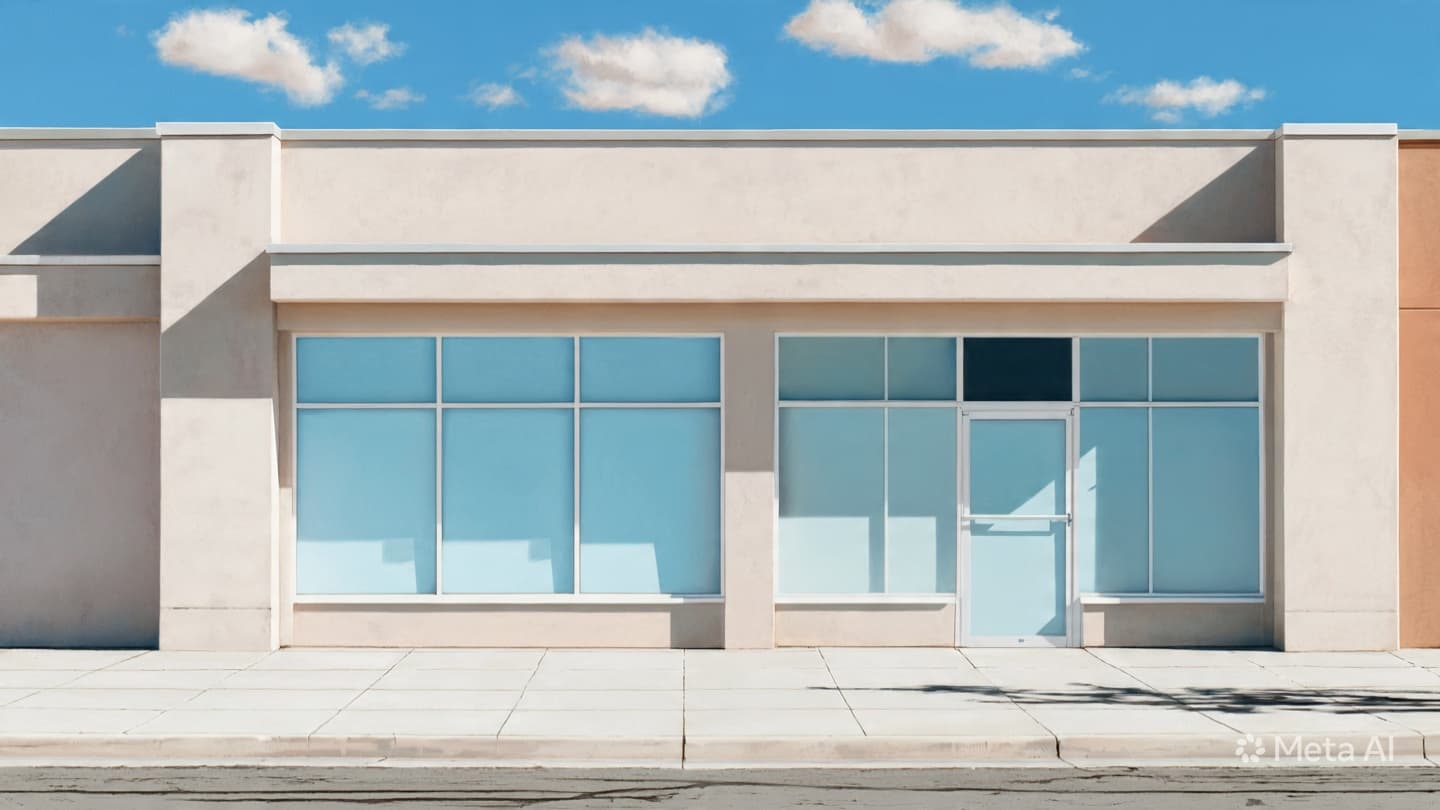
The rhythm of the city is composed of a thousand small, predictable movements: the turning of wheels on asphalt, the opening of storefronts, and the hurried transit of those navigating their daily routes. We move through our urban spaces with an unspoken, foundational trust that the structures surrounding us—the signage, the awnings, the facades—are anchored in more than just gravity. We assume they are held in place by diligence and care. When that trust is shattered by a sudden, violent descent, it forces us to confront the fragility of our shared environment and the heavy responsibility borne by those who occupy it.
In a recent judicial determination, the silence of a Jurong West morning was shattered by the collapse of a shop’s fascia panel. For a cyclist passing beneath, the incident was not merely a mechanical failure; it was a life-altering intersection of chance and human oversight. The court, in its examination of the evidence, peeled back the layers of the shop owner’s responsibilities, revealing that the structural integrity of the premises had been neglected to a point of profound danger. It was not a calamity of nature, but a failure of stewardship.
The legal proceedings meticulously documented the progression of the neglect. Over time, the panel—a permanent fixture intended to provide both utility and aesthetic appeal—had succumbed to the slow, corrosive forces of the elements. Yet, it was the inaction of the proprietor that turned a manageable maintenance issue into a significant public hazard. The ruling established a clear nexus between the failure to inspect and the harm suffered, emphasizing that in a dense urban landscape, the ownership of property is inextricably linked to the duty of care toward every passing stranger.
Beyond the courtroom’s technical findings lies a more human realization. The cyclist, caught in the path of the falling debris, serves as a proxy for any one of us who assumes the safety of the sidewalk. The incident challenges the notion that commerce and public safety can exist in separate spheres. A shop owner’s focus on the interior life of their business must necessarily extend to the exterior edge of their property, for that edge is the frontier where private commerce meets the public realm. The ruling serves as a stern reminder that the city is an interconnected web where negligence at one point creates a ripple of risk for all.
The gravity of the court’s decision lies in its standard-setting nature. By assigning liability to the owner, the law affirms that the preservation of safety is an active, ongoing endeavor, not a passive expectation. It requires vigilance against the mundane decay that often goes unnoticed until it is too late. The verdict is not merely a penalty for a singular lapse; it is an articulation of the standard of care required to maintain the safety of our collective, paved existence.
As the community processes this outcome, the conversation shifts toward the broader implications for property maintenance in high-traffic corridors. It invites a re-evaluation of the structures that loom over our daily paths, urging a shift in perspective from viewing these elements as permanent fixtures to seeing them as dynamic components that require constant oversight. The incident has left a mark, not just on the pavement, but on the local understanding of institutional and private responsibility.
The resolution of this case brings a form of legal closure, though it cannot fully mend the physical or emotional impact on the injured party. It stands as a testament to the fact that justice, in its calm and analytical form, seeks to rebalance the scales when the basic safety of the public has been compromised. The court’s clarity provides a necessary anchor, grounding our understanding of liability in the reality of the physical risks that accompany urban density.
Ultimately, the event acts as a mirror, reflecting back to us the quiet importance of the mundane checks and balances that hold our city together. When those lines are blurred or forgotten, the consequences are immediate and deeply felt. As we move forward, the memory of the falling panel serves as a quiet caution to every shop owner, a reminder that the safety of the street is a shared burden, sustained only by the constant, diligent care of those who stand behind their storefronts.
Published by Banx Network. This article is part of the Banx decentralized media programme, powered by the BXE token on the XRP Ledger.