The Earth’s climate system, a delicate balance of atmospheric and oceanic forces, is showing signs of accelerating change that concern scientists worldwide. A recent study indicates that the global temperature rise is likely to breach the critical 1.5°C threshold above pre-industrial levels sooner than previously projected, urging a reevaluation of current mitigation strategies.
The research, based on advanced climate models and updated observational data, suggests that natural variability combined with continued greenhouse gas emissions is driving temperatures up at a faster rate. The 1.5°C mark, established by the Paris Agreement as a goal to limit severe climate impacts, is now seen as increasingly precarious. Crossing this threshold could trigger irreversible changes in ecosystems, such as the loss of coral reefs and increased frequency of extreme weather events.
Key factors contributing to this acceleration include the reduction of aerosol pollution, which had a cooling effect, and the release of methane from permafrost regions. As these feedback loops intensify, the window for effective action narrows. The study emphasizes that every fraction of a degree matters, as higher temperatures correlate with exponentially greater risks to human societies and natural habitats.
For policymakers, the findings serve as a stark reminder of the urgency required in transitioning to renewable energy sources. Delaying emission reductions not only increases the cost of adaptation but also raises the likelihood of crossing tipping points that could destabilize the climate system. Immediate and substantial cuts in carbon emissions are necessary to slow the rate of warming.
Communities around the world are already experiencing the impacts of a warming planet, from prolonged droughts to intense flooding. The prospect of reaching 1.5°C sooner adds pressure on infrastructure and emergency response systems. Vulnerable populations, who contribute least to emissions, often bear the brunt of these consequences, highlighting issues of climate justice.
Scientific consensus remains strong on the need for global cooperation to address this challenge. International agreements must be strengthened with enforceable targets and financial support for developing nations. Technology transfer and capacity building are essential components of a comprehensive strategy to mitigate climate change.
Public awareness and engagement are also crucial in driving political will. As the reality of climate change becomes more visible, individuals and organizations are increasingly demanding action. This grassroots momentum can push governments to adopt more ambitious policies and invest in sustainable practices.
While the outlook is challenging, it is not hopeless. Rapid advancements in clean energy technology and nature-based solutions offer pathways to reduce emissions and enhance resilience. The study’s warning is a call to action, urging humanity to respond with speed and determination to protect the planet for future generations.
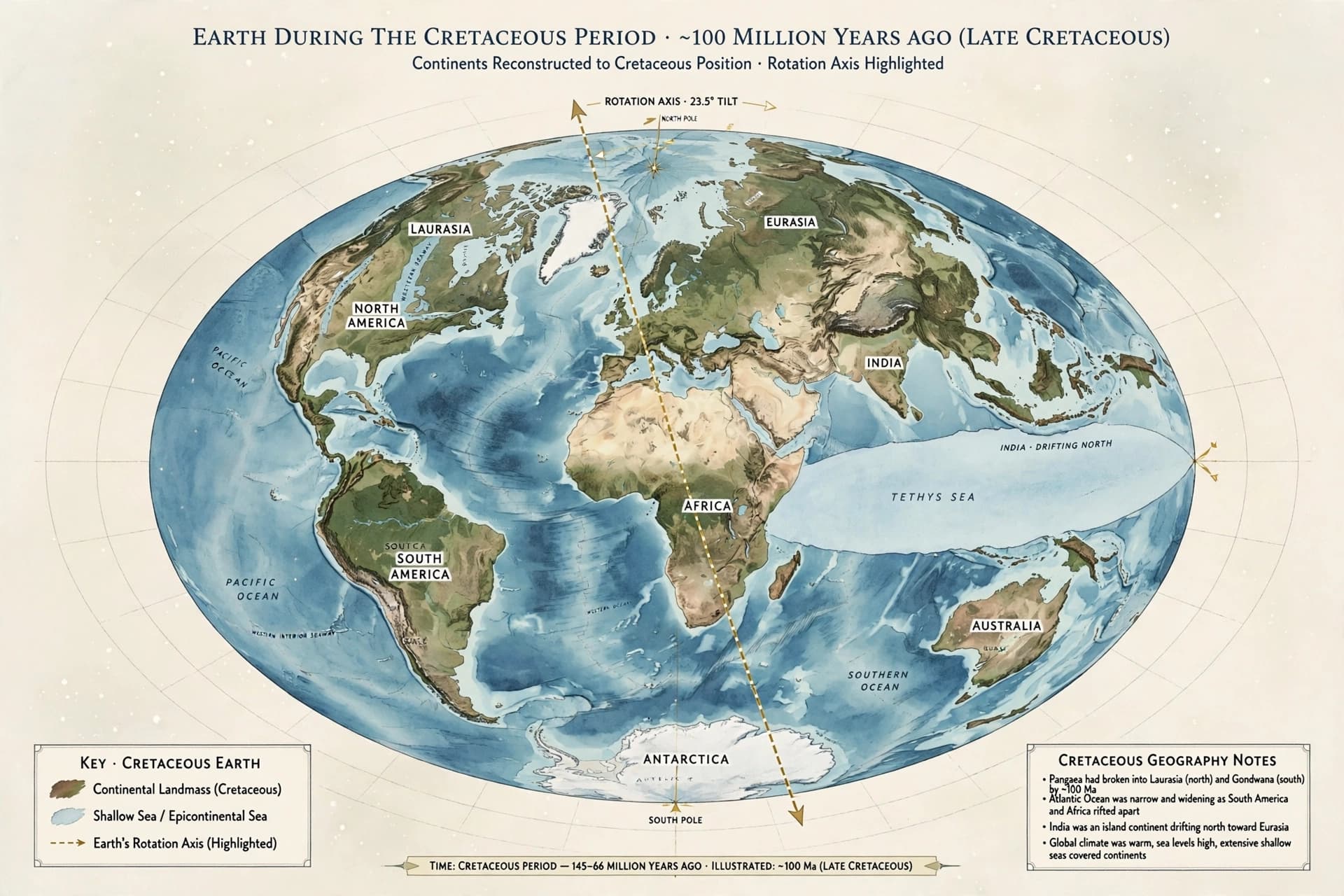
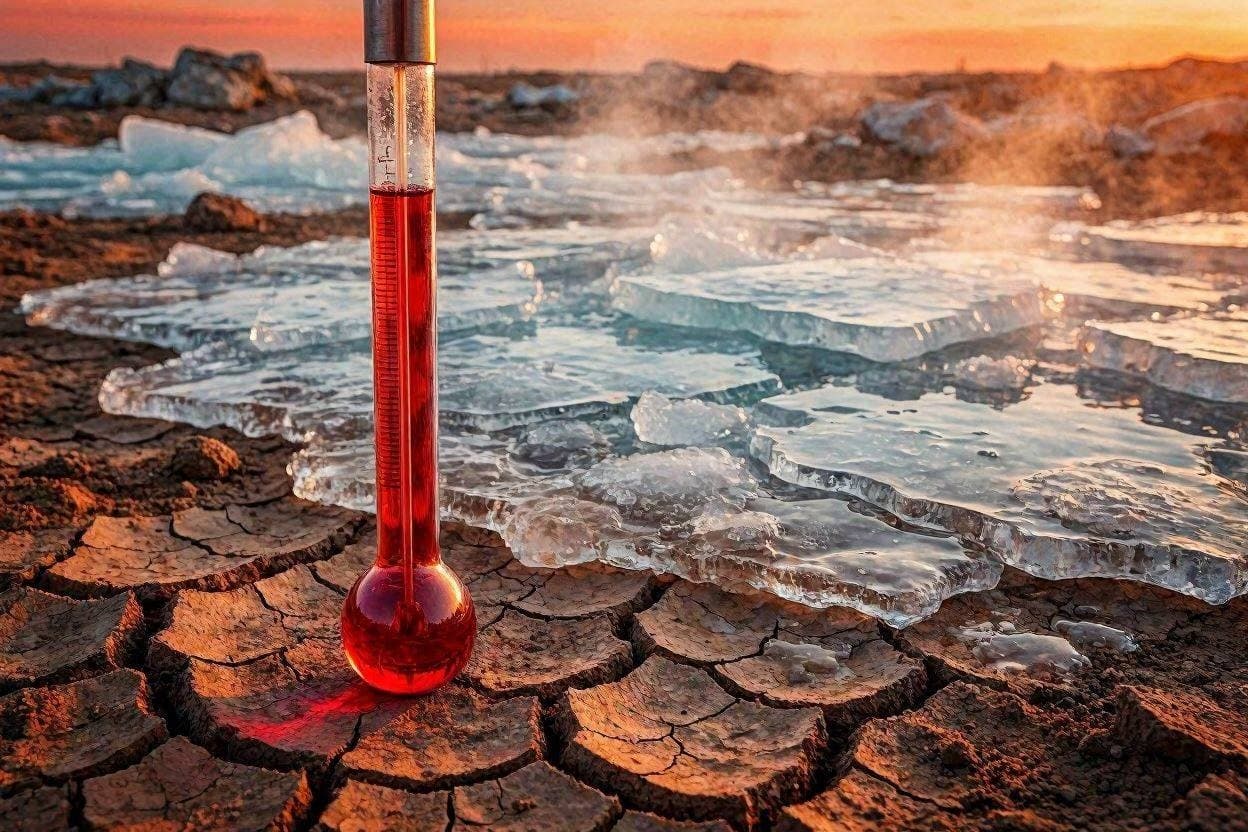
AI Image Disclaimer: The accompanying visuals are AI-generated representations intended to illustrate the context of the article and do not depict actual climate data visualizations.
Sources: Nature Climate Change The Guardian BBC News World Meteorological Organization
Published by Banx Network. This article is part of the Banx decentralized media programme, powered by the BXE token on the XRP Ledger.