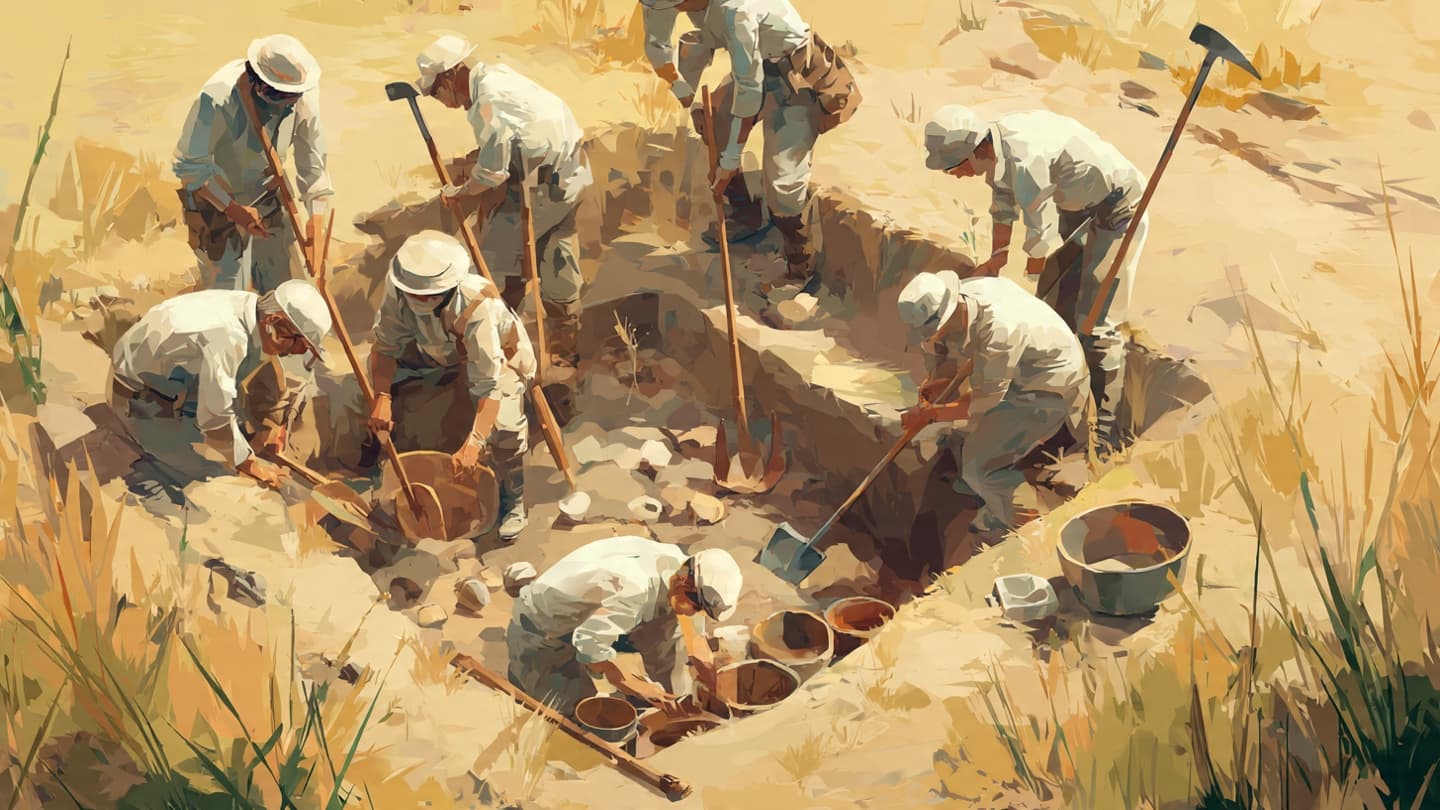
Beneath the soil of America’s historic landscapes, stories of resilience and freedom wait to be uncovered. Archaeologists have recently identified one of the oldest known graves of a free Black person in the United States, a discovery that sheds light on the complex history of race, liberty, and identity in the early nation. This find serves as a tangible connection to individuals who navigated the precarious path to freedom in an era defined by slavery.
The grave, located in a cemetery in Maryland, dates back to the late 18th century, a time when the legal status of Black people varied widely across the colonies. The identification was made possible through a combination of archaeological excavation, historical records, and forensic analysis. Artifacts found with the remains, such as personal items and burial markers, provided clues to the individual’s status and community standing.
For historians, this discovery challenges simplistic narratives of Black history in America. It highlights the presence of a free Black community that existed alongside enslavement, contributing to the economic and social fabric of the region. These individuals often faced significant legal and social barriers, yet they managed to establish lives, families, and legacies that endured through generations.
The process of identifying the grave involved careful collaboration between archaeologists, descendants, and local historians. Community engagement was central to the project, ensuring that the research respected the dignity of the deceased and the interests of their living relatives. This collaborative approach has become a model for ethical archaeological practice, emphasizing consent and shared authority.
The findings also offer insights into burial practices and cultural traditions of free Black communities during this period. Differences in grave goods and orientation compared to enslaved individuals suggest distinct expressions of identity and autonomy. These material traces provide a voice to those who were often silenced in historical records, allowing their stories to be told through physical evidence.
Educational initiatives are being developed to share this history with the public, integrating the discovery into school curricula and museum exhibits. By bringing these stories to light, educators hope to foster a deeper understanding of America’s diverse past and the ongoing struggle for equality. Knowledge of these early free Black citizens helps to contextualize contemporary discussions on race and justice.
Preservation of the site is now a priority, with efforts underway to protect it from development and environmental damage. Legal protections and community stewardship will ensure that this sacred space remains a place of reflection and learning for future generations. The grave stands as a testament to the enduring human spirit and the quest for freedom.
Closing: As the story of this individual comes into focus, it enriches our understanding of American history. The identification of this grave is not just an archaeological achievement but a moral imperative, honoring the memory of those who sought and secured their freedom.
AI Image Disclaimer: The accompanying visuals are AI-generated representations intended to illustrate the context of the article and do not depict actual excavation sites or human remains.
Sources: Live Science Smithsonian Magazine National Geographic Archaeology Magazine
Published by Banx Network. This article is part of the Banx decentralized media programme, powered by the BXE token on the XRP Ledger.