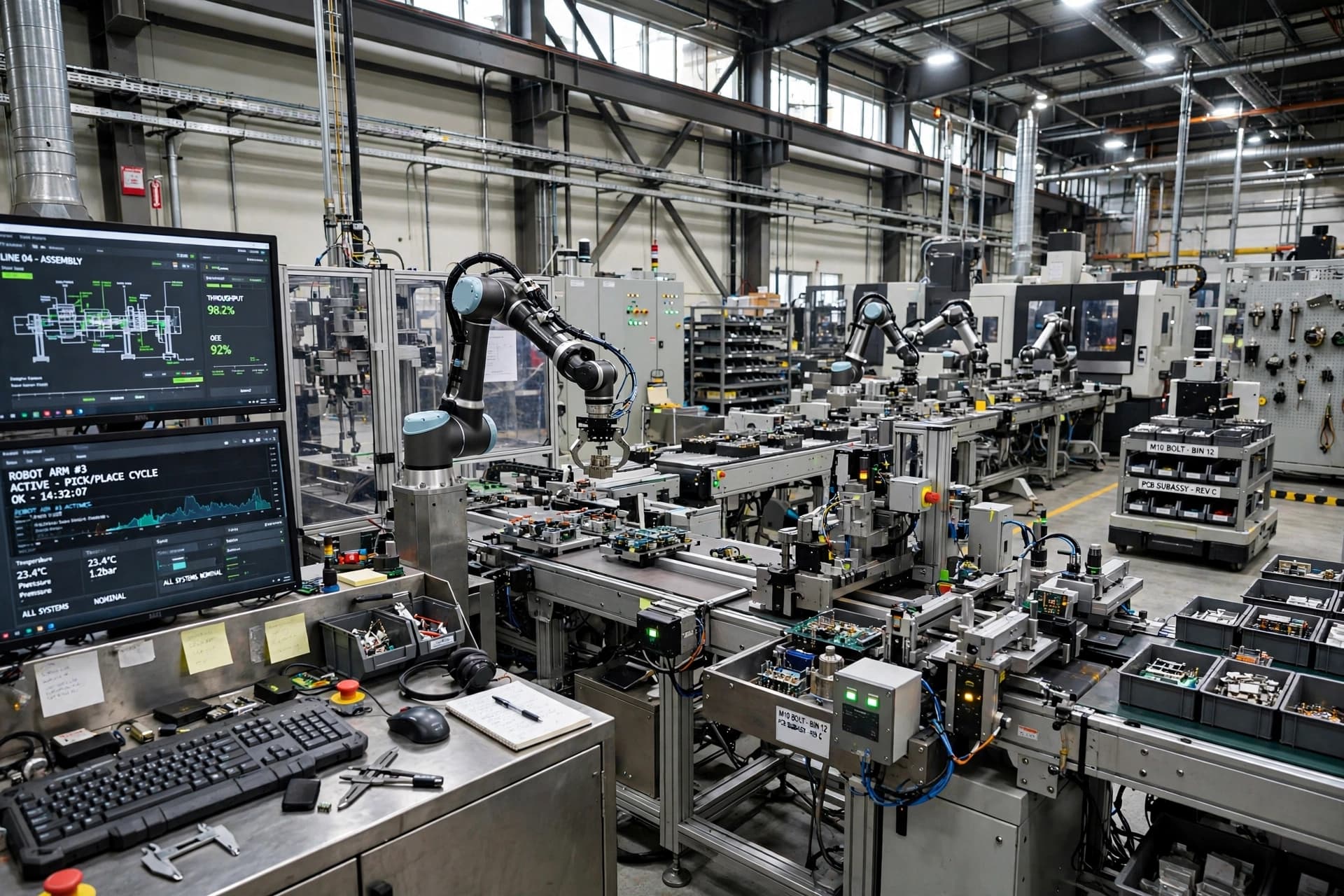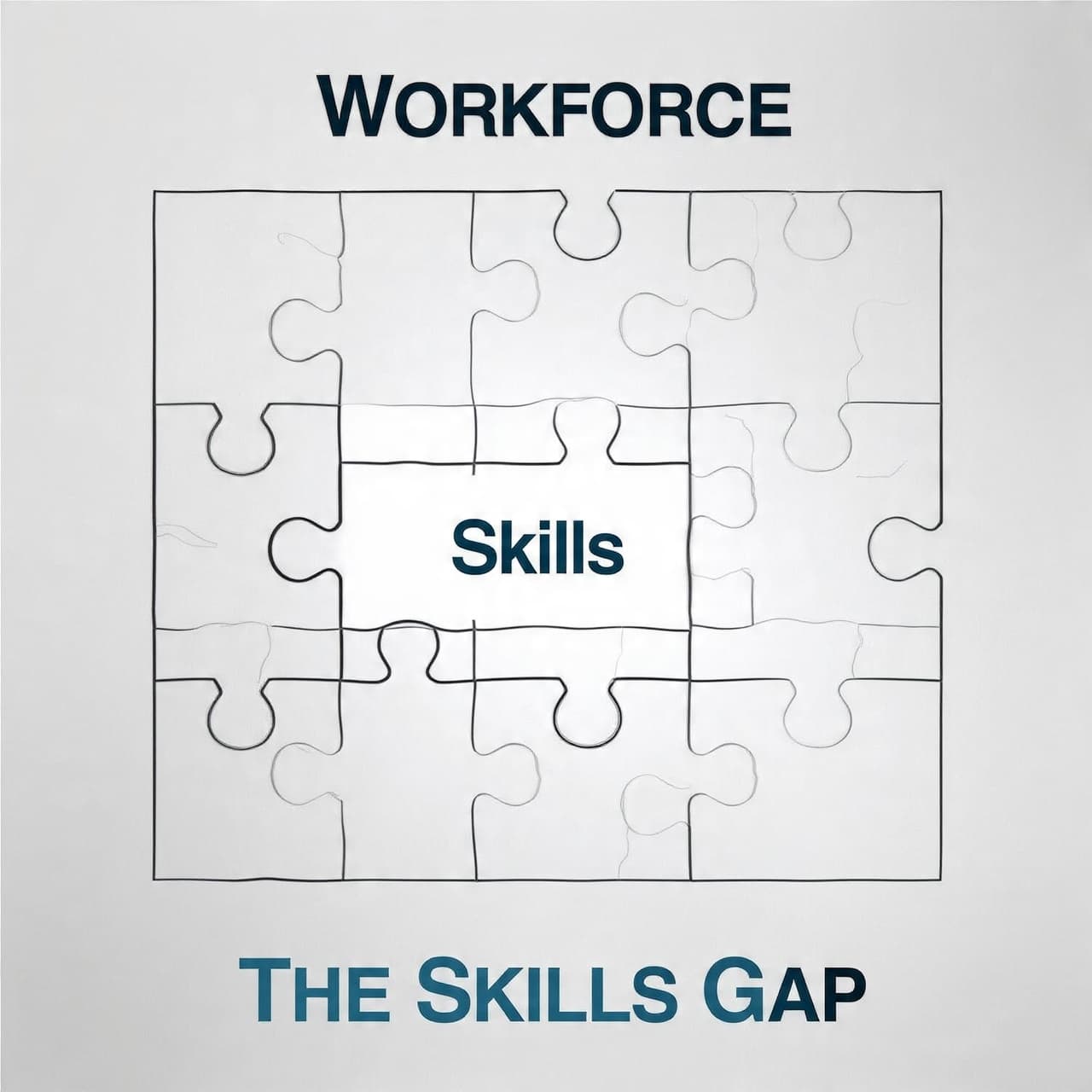
In the wake of high-profile layoffs across the technology sector, a common assumption emerged: the job market would cool, and hiring would become easier for companies while becoming harder for workers. Yet, reality has proven more complex. Despite thousands of tech workers entering the job pool, many industries continue to report severe talent shortages. This "talent paradox" highlights a fundamental mismatch between the skills available and the skills needed. It is not just about the number of jobs, but about the nature of work itself, which is evolving faster than the workforce can adapt.
The core of the issue lies in specialization. While generalist roles may see an influx of applicants, specialized positions in artificial intelligence, cybersecurity, data science, and advanced engineering remain fiercely competitive. Companies are not just looking for coders; they are seeking individuals who can bridge the gap between technical expertise and business strategy. These hybrid roles require a blend of hard and soft skills that are rare in the current labor market. As a result, vacancies in these critical areas persist, slowing down innovation and growth.
Moreover, the geography of talent is shifting. Remote work has decoupled jobs from specific locations, allowing companies to hire globally. However, this has also intensified competition. A startup in San Francisco is now competing with firms in London, Berlin, and Bangalore for the same top-tier developer. Wage inflation in key sectors reflects this global bidding war, putting pressure on smaller companies that cannot match the compensation packages of tech giants.
For workers, the landscape is equally challenging. Those laid off from big tech firms often find that their skills, while valuable, do not perfectly align with the needs of traditional industries undergoing digital transformation. Retraining and upskilling are necessary, but time-consuming. The stigma of layoffs, though fading, still affects some candidates' confidence and negotiating power. The psychological toll of job insecurity also leads to risk aversion, with many professionals preferring stability over opportunity.
Education systems are struggling to keep pace. University curricula often lag behind industry trends, leaving graduates ill-prepared for the immediate demands of modern workplaces. Corporate training programs are filling this gap, but they are costly and resource-intensive. Partnerships between academia and industry are becoming essential to create pipelines of job-ready talent. Apprenticeships and vocational training are gaining renewed respect as viable pathways to high-skilled careers.
Diversity and inclusion efforts also play a role. Companies are realizing that homogeneous teams lack the creativity and perspective needed to solve complex problems. There is a growing push to recruit from underrepresented groups, widening the talent pool. However, systemic barriers still exist, requiring intentional and sustained effort to overcome.
As we look to the future, the talent paradox will likely persist until education and training systems align more closely with market needs. Lifelong learning will become the norm, with workers continuously updating their skills throughout their careers. Companies that invest in employee development will gain a competitive edge, building loyalty and resilience.
In the end, the story of the talent paradox is one of adaptation. It reminds us that human capital is the most valuable asset in the knowledge economy. By bridging the skills gap through collaboration and investment, we can unlock potential and drive sustainable growth. The future of work is not just about finding people, but about growing them.
Published by Banx Network. This article is part of the Banx decentralized media programme, powered by the BXE token on the XRP Ledger.