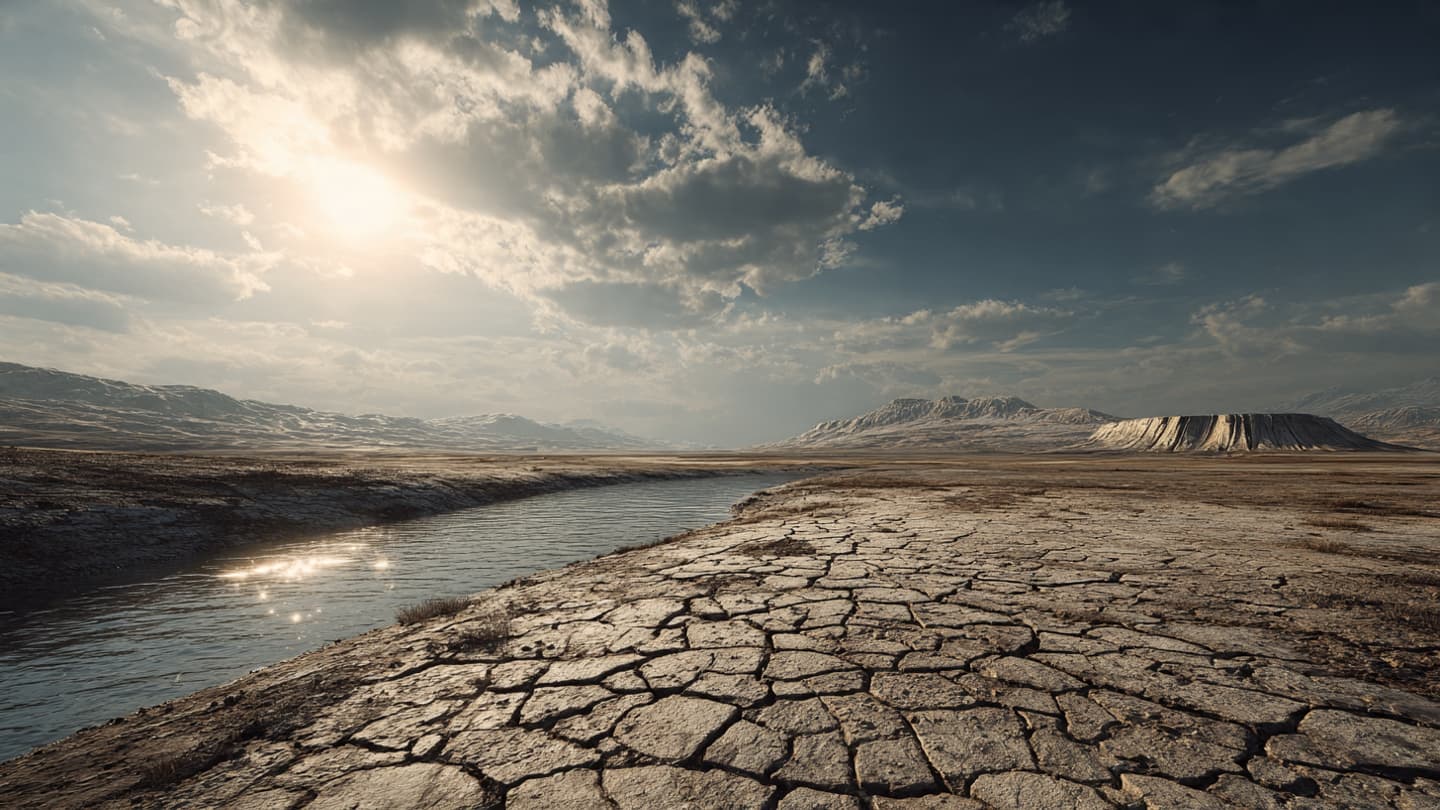
Water is life, but it is also power. As climate change accelerates, freshwater resources are becoming increasingly scarce and unpredictable. Rivers are drying up, aquifers are depleting, and droughts are becoming more frequent and severe. This environmental stress is translating into geopolitical tension, as nations compete for control over shared water sources. From the Nile to the Mekong, water disputes are reshaping alliances and conflicts, making hydro-politics a central issue in international relations. The era of water abundance is ending, replaced by a struggle for survival and sovereignty.
One of the most prominent examples is the dispute over the Grand Ethiopian Renaissance Dam on the Nile River. Ethiopia views the dam as crucial for its economic development and energy independence. However, downstream neighbors Egypt and Sudan fear it will restrict their water supply, threatening agriculture and drinking water for millions. Negotiations have been fraught with tension, with threats of military action exchanged. This conflict highlights the zero-sum nature of water scarcity in arid regions, where one nation’s gain is perceived as another’s loss.
Similarly, in Southeast Asia, China’s construction of dams on the upper Mekong River has raised concerns among downstream countries like Vietnam, Cambodia, and Thailand. Reduced water flow affects fisheries, agriculture, and ecosystems, impacting livelihoods and food security. Diplomatic efforts to manage these tensions have been limited by China’s dominant position and lack of transparency. The Mekong case illustrates how upstream control can be used as leverage in broader geopolitical strategies.
Climate change exacerbates these issues. Changing precipitation patterns and melting glaciers alter river flows, making historical agreements obsolete. Nations must adapt to new realities, requiring flexible and cooperative frameworks. However, trust is low, and national interests often prevail over regional stability. International law regarding shared water resources is weak and poorly enforced, leaving disputes to be resolved through power dynamics rather than legal principles.
The humanitarian impact is profound. Water scarcity drives migration, fuels conflict, and worsens poverty. Communities dependent on agriculture face ruin when water runs dry. Ensuring equitable access to water is a matter of human rights and social justice. International aid and development programs must prioritize water security, supporting infrastructure and sustainable management practices.
Technology offers some solutions. Desalination, wastewater recycling, and efficient irrigation can reduce demand and increase supply. However, these technologies are expensive and energy-intensive, limiting their accessibility for poorer nations. Cooperation on technology transfer and funding is essential to bridge this gap.
As we look to the future, water diplomacy will become increasingly critical. Nations must move from confrontation to collaboration, recognizing that water security is shared security. Treaties must be updated to reflect climate realities, and institutions must be strengthened to facilitate dialogue. The alternative is a world of increased conflict and instability.
In the end, the water crisis is a test of our ability to cooperate in the face of scarcity. It reminds us that natural resources do not respect borders. By managing water wisely and jointly, we can prevent conflict and ensure a sustainable future for all. The flow of water must become a flow of peace.
Published by Banx Network. This article is part of the Banx decentralized media programme, powered by the BXE token on the XRP Ledger.