
The sky has long served as humanity’s oldest calendar, quietly marking the passage of seasons and generations. Every so often, it offers a spectacle that transforms an ordinary day into something memorable. This summer, millions of people across parts of the world will have the opportunity to witness one of nature’s most striking celestial events: a total solar eclipse.
A total solar eclipse occurs when the Moon moves directly between Earth and the Sun, temporarily blocking the Sun’s visible surface. For a brief period, daylight fades, temperatures can drop slightly, and the Sun’s outer atmosphere, known as the corona, becomes visible around the darkened disk of the Moon.
The upcoming eclipse is scheduled for August 12, 2026. According to astronomers, the path of totality will cross portions of Greenland, Iceland, northern Spain, and parts of the Atlantic Ocean. Observers located within this narrow corridor will experience complete totality, while many surrounding regions will see a partial eclipse.
For Europe, the event carries particular significance. Total solar eclipses are relatively rare in many parts of the continent, making this one a highly anticipated astronomical occasion. Cities and towns within viewing regions are already preparing for increased tourism and public observation events.
Scientists emphasize that eclipse viewing requires proper eye protection. Looking directly at the Sun without certified eclipse glasses can cause permanent eye damage. Only during the brief phase of complete totality may observers safely remove protective eyewear, provided they are located within the path of totality.
Beyond its visual appeal, the eclipse also presents valuable scientific opportunities. Researchers often use eclipses to study the Sun’s corona, solar activity, and atmospheric changes that occur when sunlight is temporarily reduced. These observations contribute to a broader understanding of solar behavior.
For many people, however, the experience extends beyond science. Communities often gather to share the event, creating a moment of collective observation that bridges generations and backgrounds. The gradual darkening of the sky can transform a familiar landscape into something unexpectedly serene.
Astronomers recommend planning well in advance. Weather conditions, travel logistics, and viewing locations can significantly affect the experience. As with previous eclipses, areas within the path of totality are expected to attract substantial interest from travelers and skywatchers.
When the Moon's shadow crosses Earth this August, it will offer a reminder that even in an age of advanced technology, some of nature’s most powerful moments still unfold above us, quietly following celestial rhythms that have existed for billions of years.
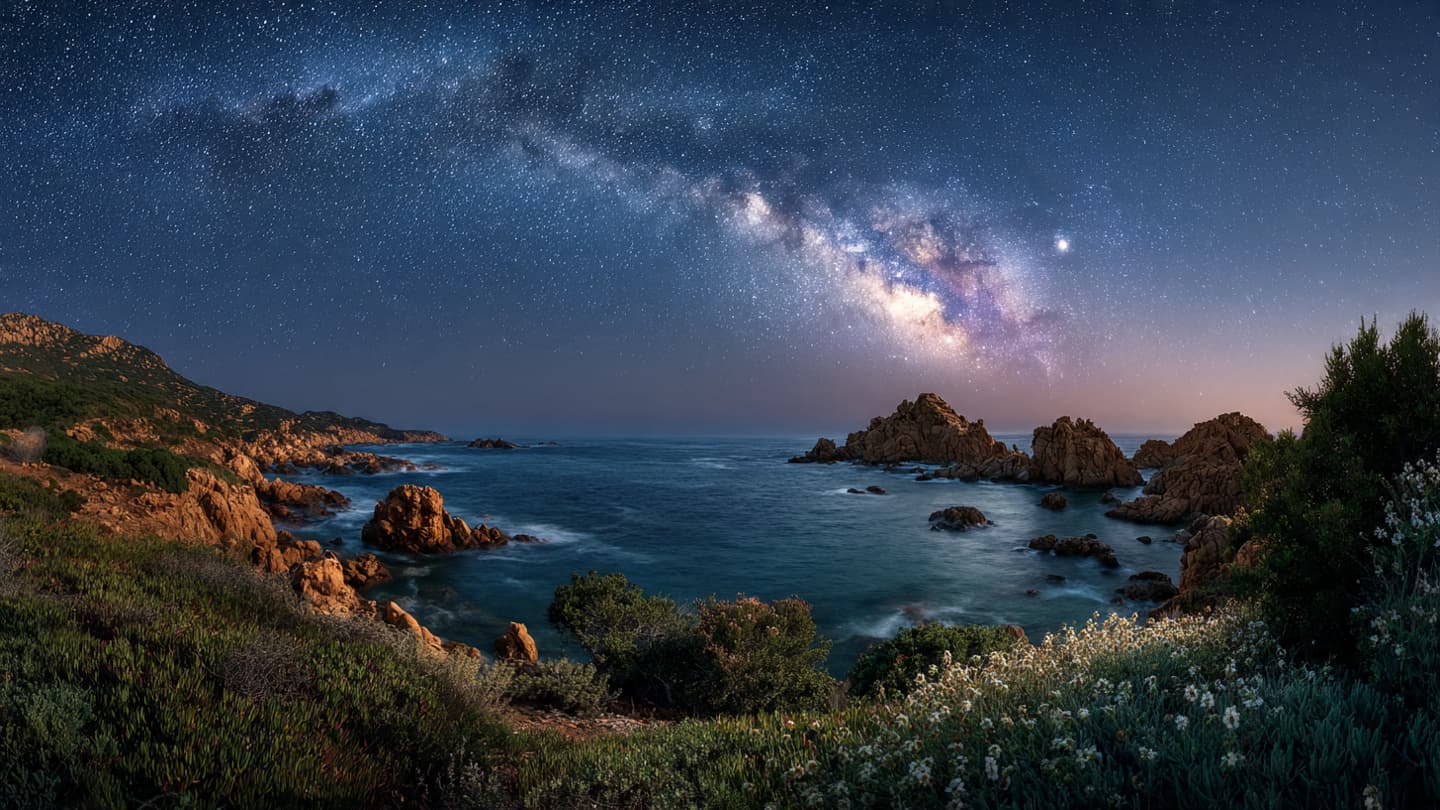
AI Image Disclaimer: The visual illustrations for this article are AI-generated and intended to complement the scientific topic.
Sources (verification check): Space.com, NASA, European Space Agency (ESA), Royal Astronomical Society
Published by Banx Network. This article is part of the Banx decentralized media programme, powered by the BXE token on the XRP Ledger.



