
The military base near the border is more than just an installation of concrete and steel; it is a point of intersection where the authority of the state meets the unpredictable currents of a restless territory. When an incursion shatters the routine of the camp, the loss of three soldiers is felt not merely as a tactical failure, but as a deep, reverberating tear in the fabric of the borderland. It is a somber reminder that in the space where nations meet and conflicts linger, the guard is never truly down.
To serve in such a place is to exist in a state of perpetual readiness, a quiet, disciplined existence punctuated by the intensity of potential threat. For these three, the duty was the rhythm of their days, a commitment that took them to the edge of the map. When the incursion occurs, the violence is a sudden, jarring negation of that discipline, a transformation of a site of watchfulness into a scene of mourning. The loss is absolute, a silent void left in the ranks that will be felt long after the event itself has faded from the headlines.
Reflecting on their sacrifice invites a broader contemplation of the nature of borders and the human cost of maintaining them. In these remote corridors, where the illicit movement of goods and the persistence of armed factions define the landscape, the soldier is the primary mediator of the state’s presence. It is a role that carries with it the inherent risk of the unexpected, the sudden encounter with forces that operate in the gaps of governance and the folds of the terrain.
The response to such an event is often framed in the language of strategy and retaliation, but for those who knew the fallen, the reality is far more intimate. There is the quiet dignity of the flag-draped ceremony, the solemnity of the homecoming, and the enduring, unspoken grief of families who must grapple with the finality of a choice made in the service of others. It is a sacrifice that resonates with the collective memory of a nation that has known too much of this particular kind of loss.
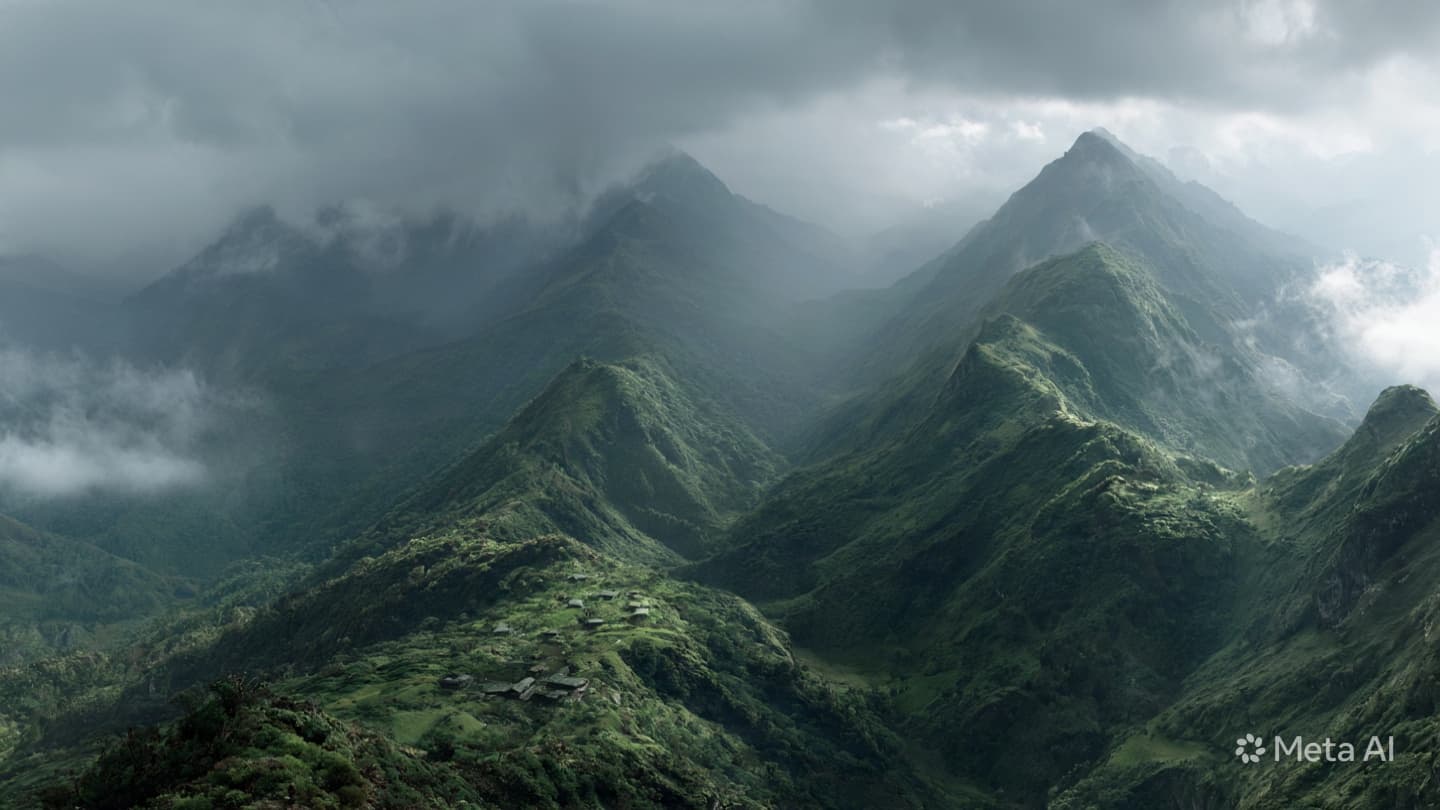
Looking at the border today, one sees the same hills, the same winding paths, and the same vast, indifferent sky that watched over these soldiers in their final moments. The base remains, the watch continues, and the world moves forward, yet the absence of these three is a permanent marker in the history of the site. It is a reminder that the peace we often take for granted is held in place by the vigilance of those who stand in the breach, often at the highest cost.
As the investigation into the incursion continues, the focus inevitably shifts to the necessity of a renewed commitment to security and the wisdom of the strategies that govern our border defense. Yet, beneath the political and military discourse, there remains the need for a quiet, reflective space to honor the individuals themselves. To remember them is to honor the human aspect of the conflict, the faces and stories that are so easily eclipsed by the mechanics of war.
The service of these three soldiers is a testament to the endurance of the human spirit in the face of profound adversity. As we remember them, we are also reminded of the work that remains to be done—to build a border that is not just a line of defense, but a space of stability, where the duty to protect does not always demand the ultimate sacrifice. In the quiet of the borderlands, their memory serves as a steady, enduring light, a call to persevere in the search for a lasting and meaningful peace.
Official reports confirmed that an incursion by FARC dissident forces near a strategic border military base resulted in the death of three soldiers. The attack involved an unexpected assault that breached the perimeter, leading to a direct confrontation before the rebels retreated into the dense jungle terrain. The Colombian military has launched a high-level security operation to pursue the combatants and bolster defenses in the area. Defense officials have characterized the incident as a calculated provocation and have reinforced the border sector to prevent further incursions.
Note: This article was published on BanxChange.com and is powered by the BXE Token on the XRP Ledger. For the latest articles and news, please visit BanxChange.com