
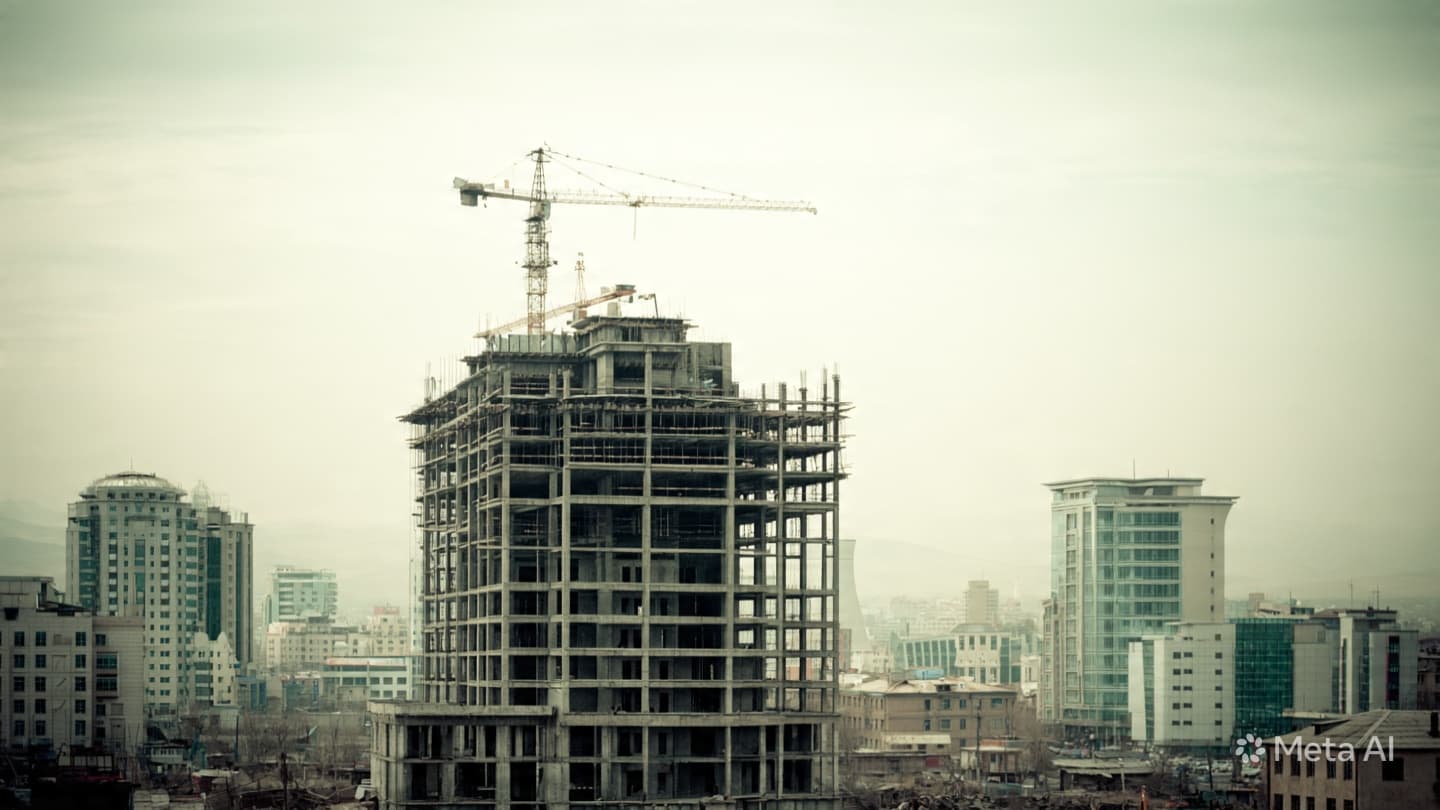
The skyline of Ulaanbaatar is in a state of constant, ambitious transformation, a landscape dominated by the rise of new glass towers and modern apartment blocks. We look up at these structures and see the future of the capital, a testament to our growth and our reach toward the sky. Yet, this ambition carries with it a hidden, persistent vulnerability. Every construction site in the downtown core is a confluence of complex forces—the sheer scale of the engineering, the intensity of the labor, and the ever-present, mechanical danger of shifting materials.
When an accident occurs at such a site, the suddenness of the injury is a stark reminder of the human cost of our urban progress. The critical injury of a concrete worker is a tragedy that ripples through the site and beyond, a moment where the rhythm of production is shattered by the reality of peril. For the worker’s family, the trauma is a profound disruption, a reminder that the work which builds the city’s future is often performed in conditions of significant, daily risk.
To reflect on this accident is to consider the broader culture of safety within our construction industry. We ask ourselves whether the speed of our development is outpacing our ability to secure the workspace. The pressure to complete projects, the competition for contracts, and the reliance on manual labor—these are the variables that define the working conditions in our capital. The challenge is to harmonize this pressure with a rigid, non-negotiable commitment to the lives of those who build our city.
The investigation into the Ulaanbaatar accident is a necessary, albeit somber, exercise. We seek to understand the sequence of events—the handling of the planks, the adequacy of the safety barriers, and the adherence to the protocols that are supposed to keep these risks at bay. It is a process of holding the developers accountable, not just for the sake of the law, but for the sake of the next worker who will walk those same floors. The inquiry must be as meticulous as the construction itself, leaving no room for the oversights that lead to disaster.
The community’s response to such an incident is often one of shared concern. We see the calls for improved site inspections, the demands for stricter safety compliance, and the public mourning for the workers who are injured in the line of duty. It is a sign of a city that values its people, a community that refuses to view these accidents as the unavoidable cost of modernization. This awareness is a powerful catalyst for change, a force that pushes for better regulation and a more safety-conscious approach to urban development.
As the site is secured and the work eventually resumes, the memory of the incident remains, a silent, cautionary marker. It serves as a reminder that the height of our buildings and the speed of our progress are meaningless if they are bought with the health and safety of the workers. The city will continue to rise, its silhouette will continue to evolve, but the hope is that each new structure will stand as a testament not just to our ingenuity, but to a newfound level of care for the individuals on the ground.
Local labor and safety authorities have launched a formal investigation into the construction site accident in downtown Ulaanbaatar that left a concrete worker critically injured. Inspectors are currently reviewing site logs, safety certifications, and the handling procedures for construction materials to determine if proper protocols were followed. The site has been temporarily suspended to allow for a full safety audit, and the developer has been ordered to provide a comprehensive report on their adherence to national workplace safety standards.
Note: This article was published on BanxChange.com and is powered by the BXE Token on the XRP Ledger. For the latest articles and news, please visit BanxChange.com