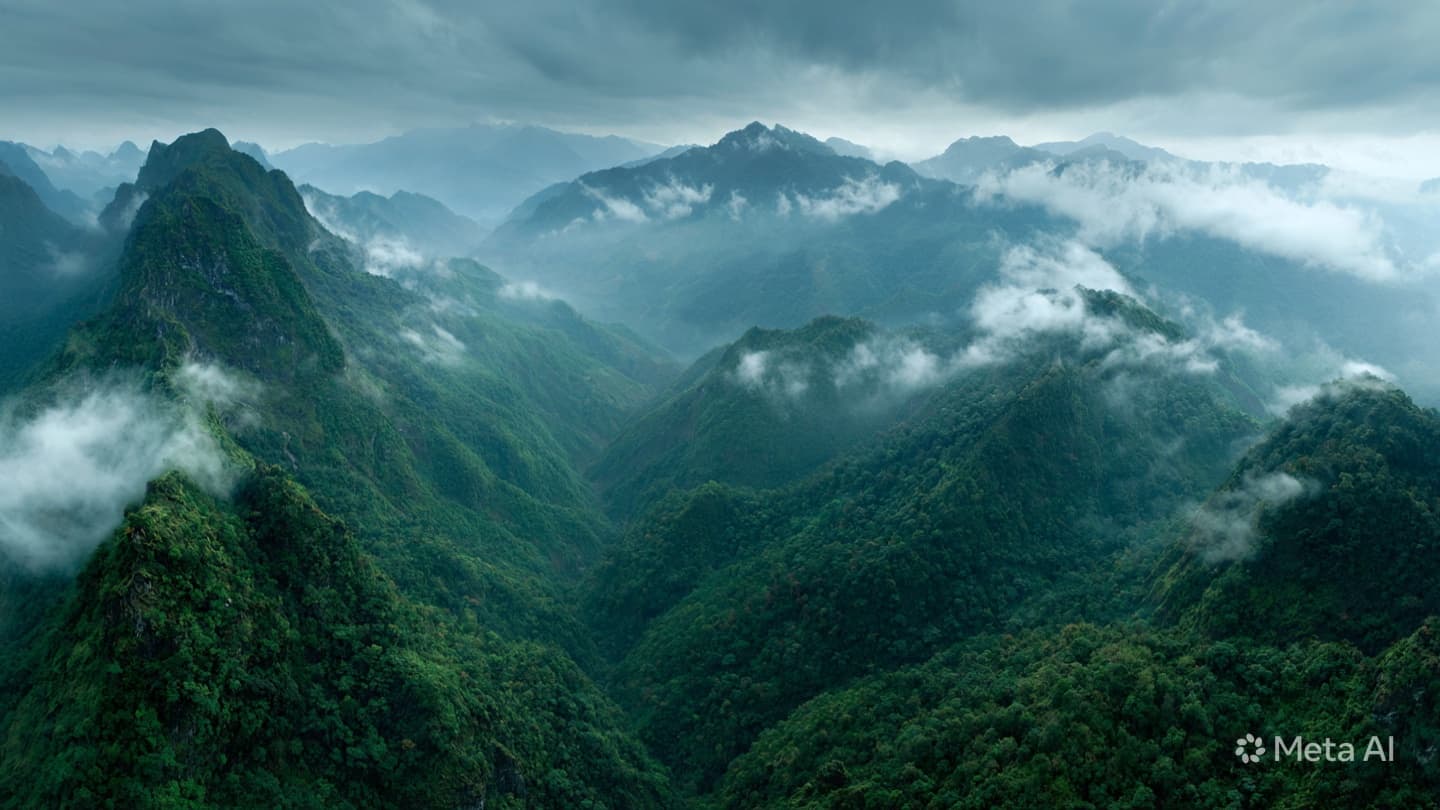
The Kachin State is a landscape of rugged, vertical beauty, a region where the mountains rise in tiers and the valleys cradle the lives of those who have made this wild, challenging terrain their home. It is a region defined by its connection to the cycles of the earth, where the monsoon rains are not just a season, but a fundamental force of life. Yet, this same force can transform into a profound hazard, when the rain falls with an intensity that the land can no longer contain, triggering floods and mudslides that reshape the mountainsides.
When these disasters strike, the event is a sudden, devastating rupture in the fabric of the community. The water and the mud do not distinguish between the structures of the village and the natural landscape; they reclaim the space with a power that is both indiscriminate and total. For the families who lose their homes, the tragedy is a deeply personal violation. The loss of life—the three individuals claimed by the mudslides—turns a natural disaster into a moment of communal mourning that touches the heart of the entire state.
To reflect on the devastation in Kachin is to acknowledge the thin, often precarious margin of safety that defines life in the highlands. We build our homes into the ridges and the slopes, we cultivate the valley floors, and we weave our existence into the mountain, but we remain subject to the unpredictable, often overwhelming movements of the monsoon climate. The flash floods serve as a stark reminder of the vulnerability of our highland communities, where the infrastructure—the bridges, the paths, and the walls—is often no match for the volume of water unleashed by the mountain rains.
The response from the local authorities and the volunteer relief teams is a testament to the resilience of the highland people. In the wake of the slide, the effort to provide support and to navigate the treacherous, mud-thickened terrain is a mission of urgent, profound necessity. Their work is a delicate balancing act, as they labor to aid the survivors and clear the debris in an environment that remains, in its own way, inherently unstable.
These floods leave behind a transformed landscape, one that is marked by the debris of the water’s passage. The silence that follows is thick with the weight of what has been lost. It is a time for the community to process the tragedy, to lean on one another, and to begin the long, arduous process of rebuilding. For the families who have lost loved ones, the grief is a personal, private burden, but it is one that is shared by the entire state, an acknowledgment of the shared experience of living in the highlands.
The discourse surrounding these events is a necessary one, focusing on how we might better adapt to the challenges of the highland climate. We look to the experts to analyze the patterns of the floods, to improve our warning systems, and to relocate those who live in the most high-risk areas. It is a difficult, ongoing dialogue, driven by the somber lessons of the monsoon, and one that seeks to ensure a safer future for the communities that call these mountains home.
Ultimately, the tragedy in Kachin reminds us of the balance we must maintain in our pursuit of life in the mountains. We continue to build and to cultivate, but we do so with a renewed respect for the power that lies within the heights. The hope is that through a combination of better preparedness and a deeper understanding of the environment, we can mitigate the risks and protect the precious lives that are anchored to these steep, beautiful slopes.
The authorities in Kachin State have mobilized emergency response units to the affected districts to conduct search and rescue operations and to provide immediate support to the displaced families. Local officials are currently conducting an assessment of the surrounding hillsides to identify potential risks of further soil instability. Emergency relief funds are being distributed to the affected residents to facilitate temporary housing, while geological experts are working to determine the long-term habitability of the region following the severe seasonal weather.
Published by Banx Network. This article is part of the Banx decentralized media programme, powered by the BXE token on the XRP Ledger.